the ancient capital
October 25, 2024
The Forbidden City and the Great Wall give Beijing a monumental introduction. Beyond the palace roofs and mountain ridges, the city opens into temple courtyards, lakeside gardens, quiet lanes, and restaurants.
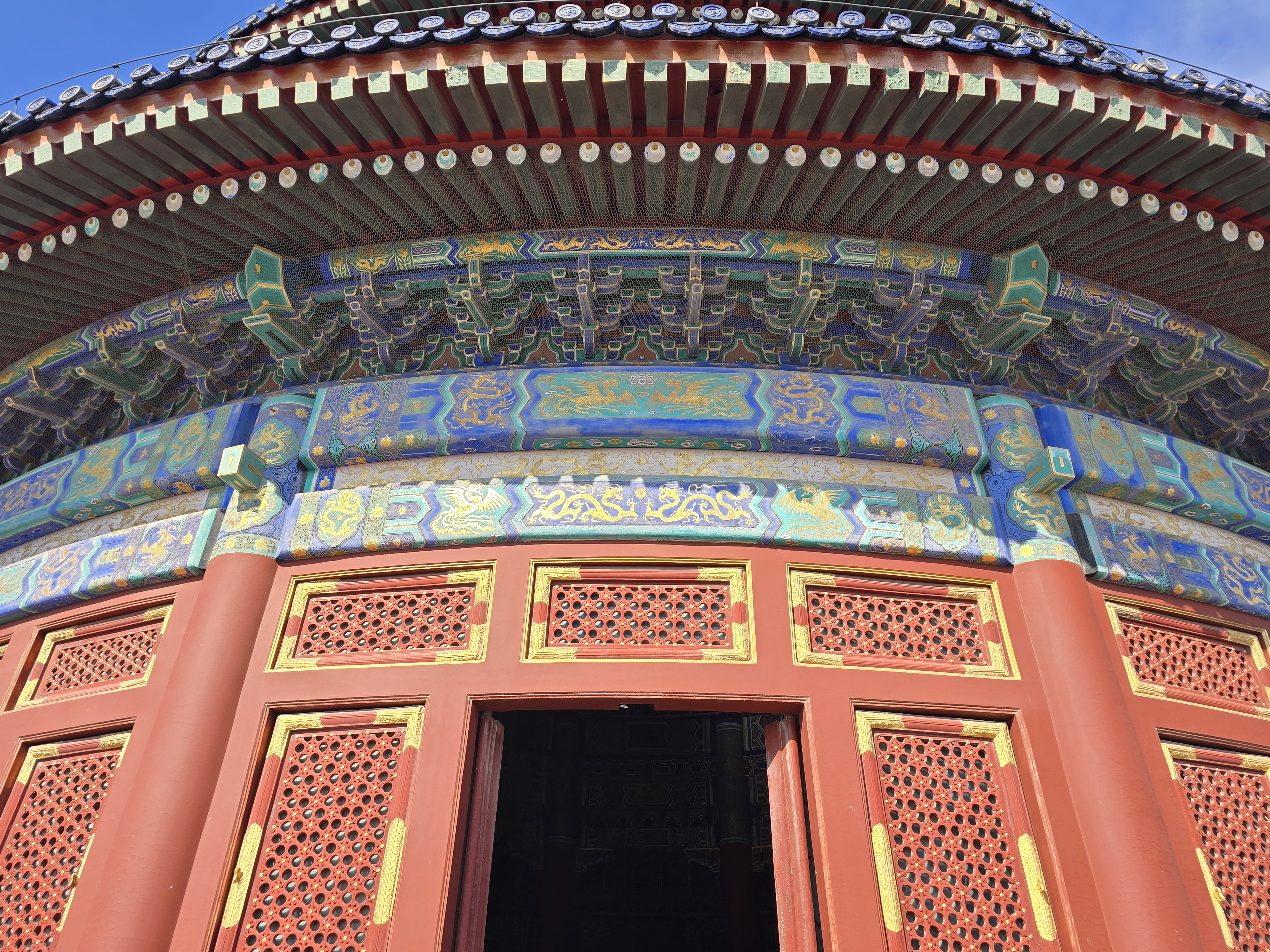
What stayed with me was how much there was to see at a smaller scale—painted brackets beneath the eaves, dragons worked into screens and carvings, and dishes prepared with as much attention to detail as the buildings around them.
φ
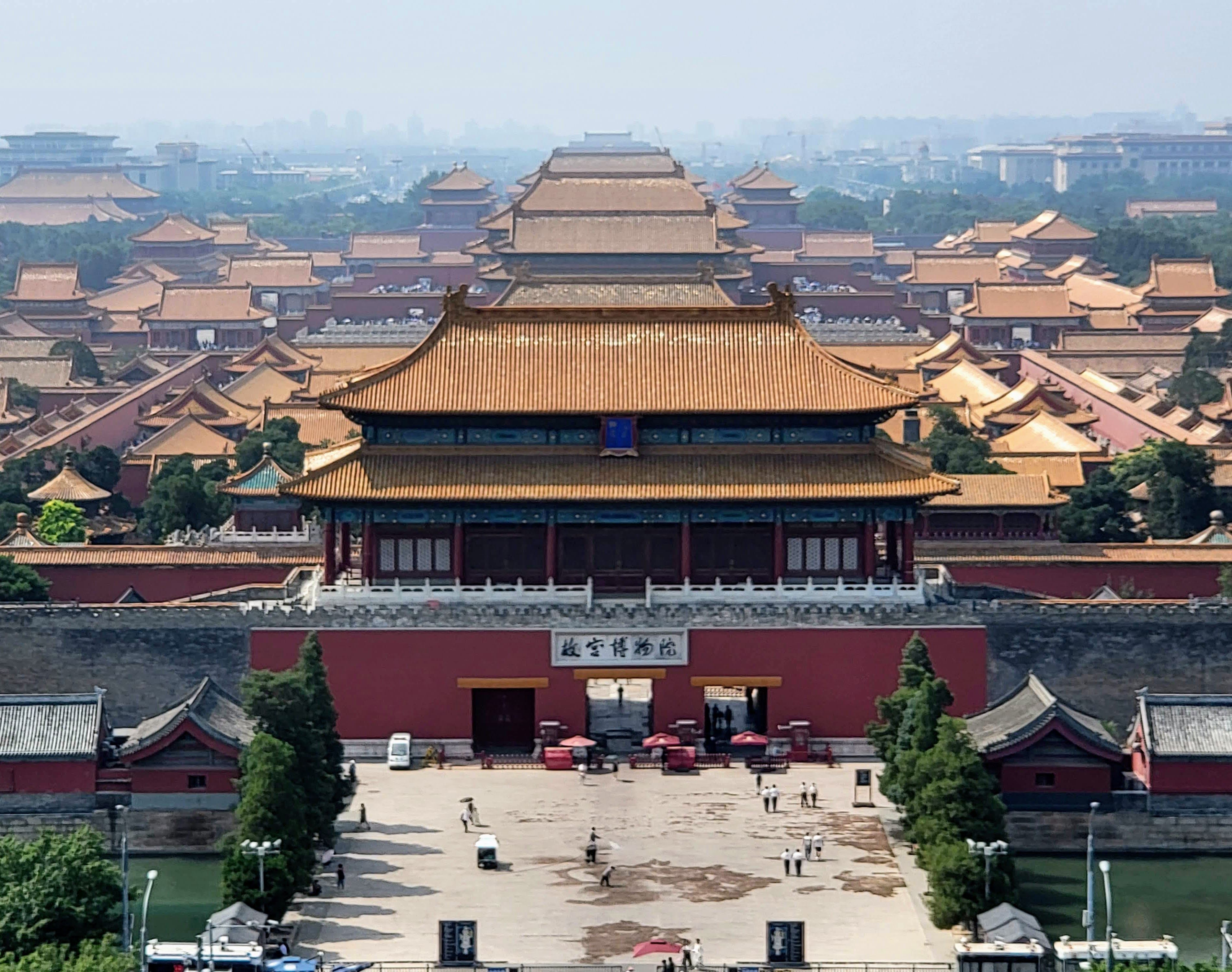
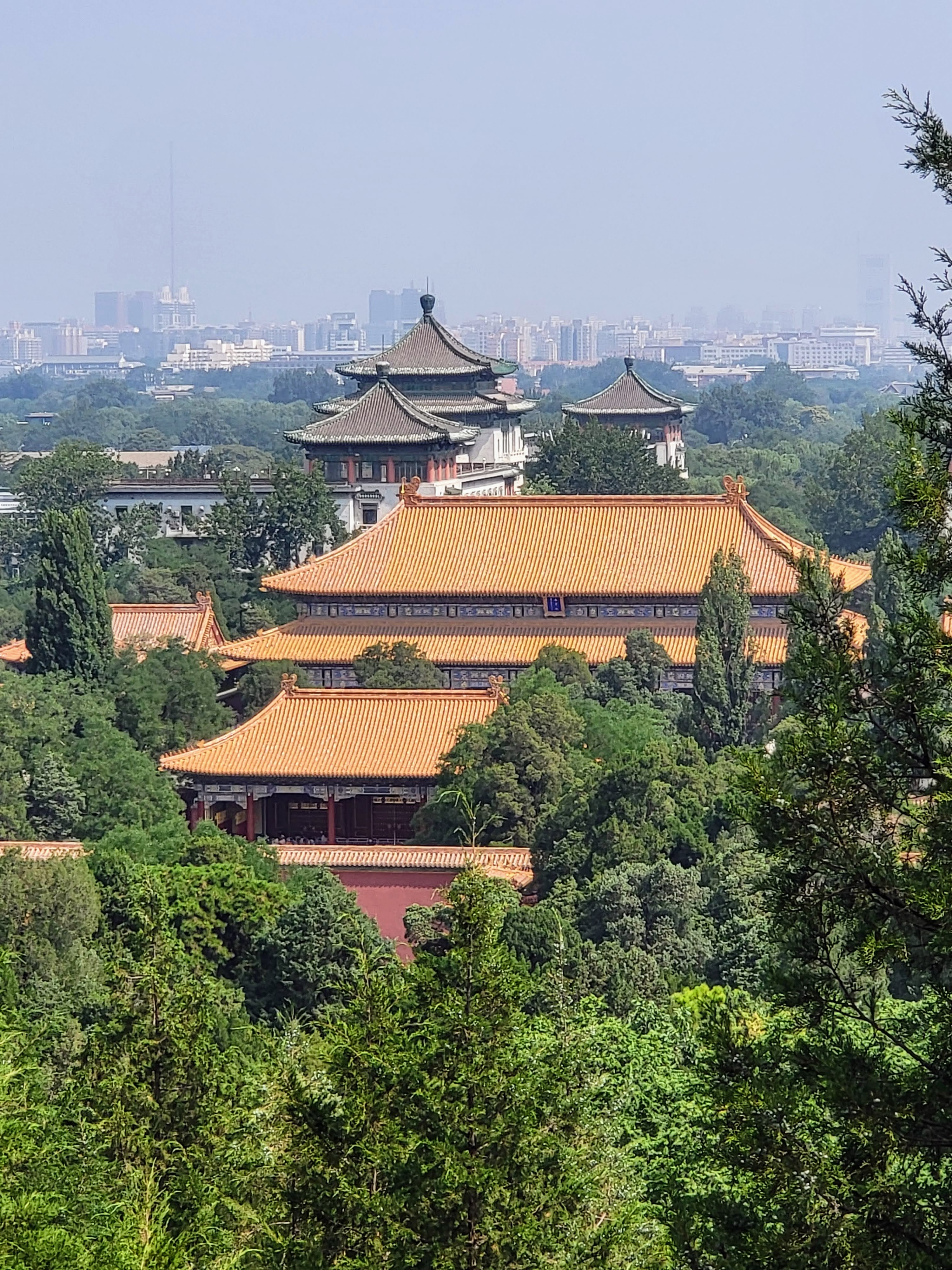
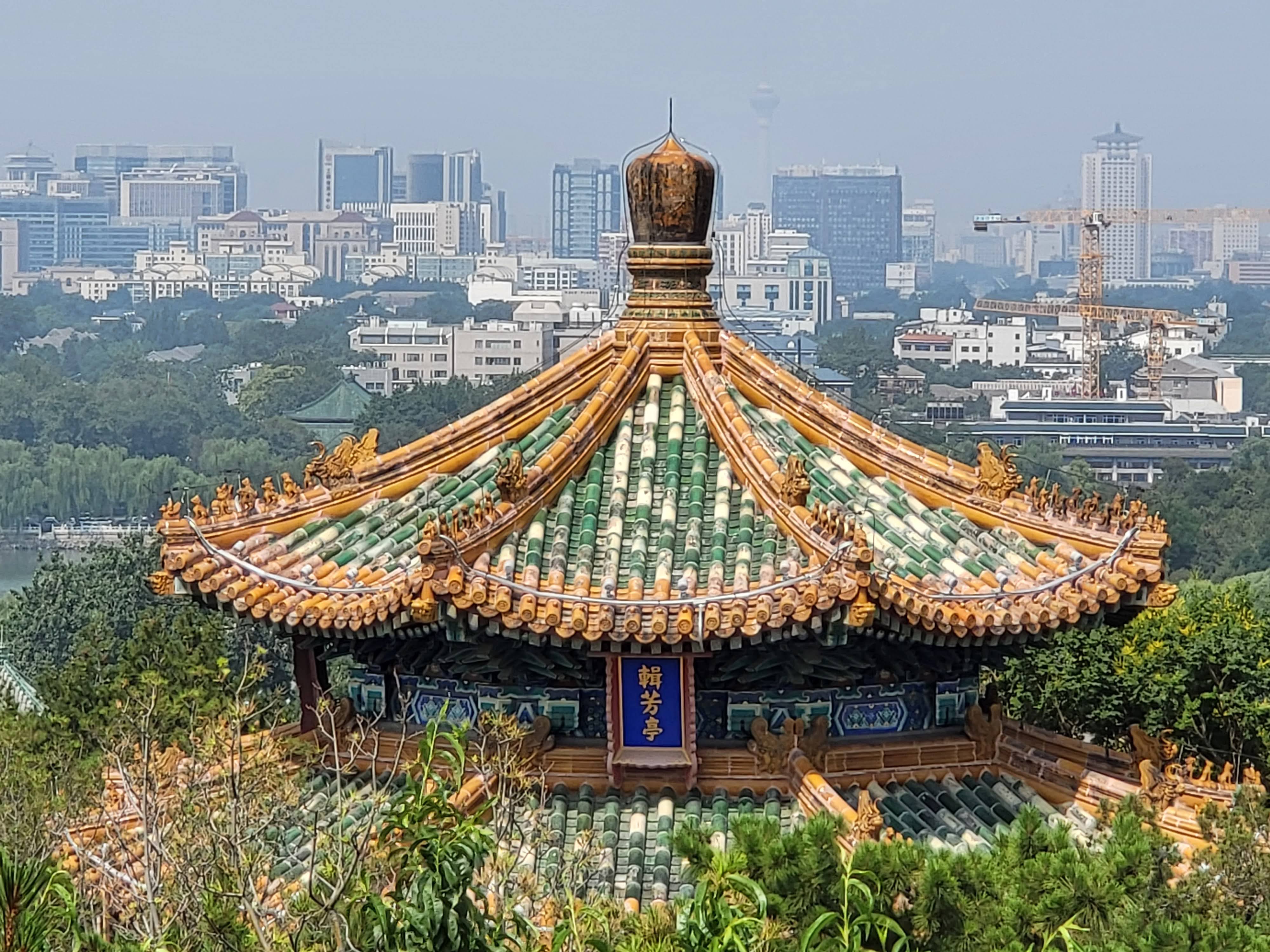
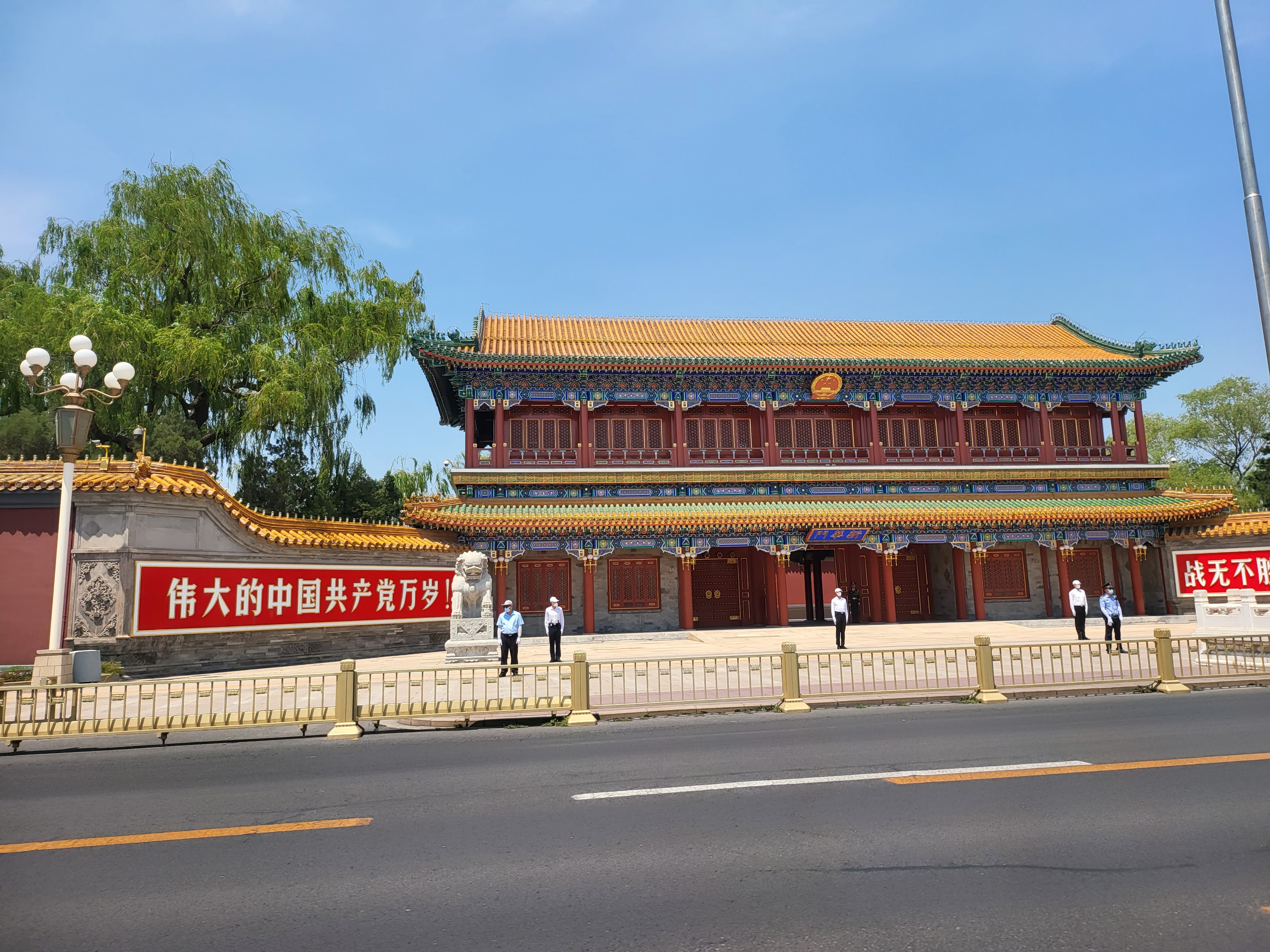

Above the palace
The Forbidden City, viewed from Jingshan Park, follows Beijing’s north–south ceremonial axis. Golden roofs and successive courtyards reveal the scale of the former Ming and Qing imperial palace.
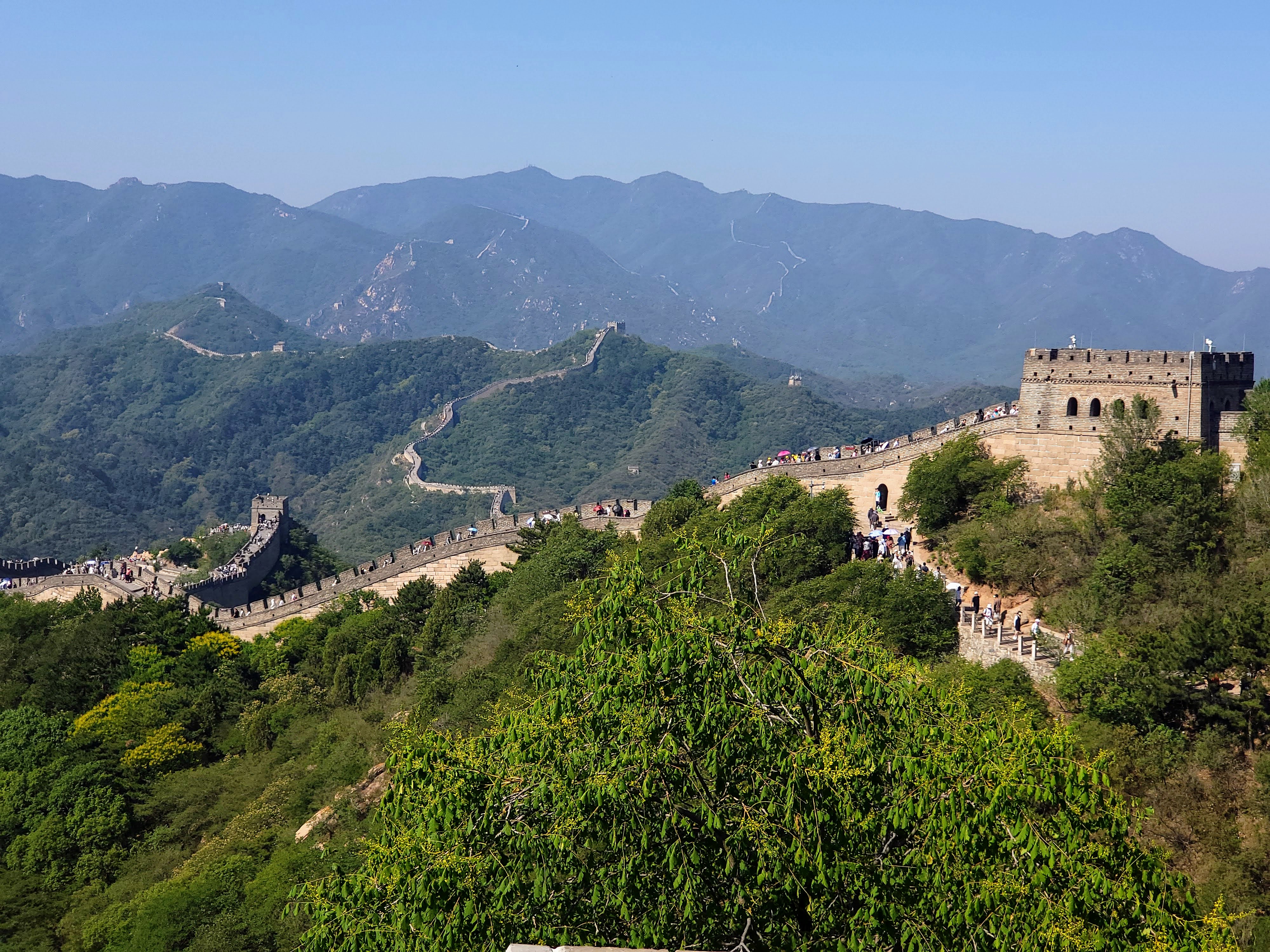
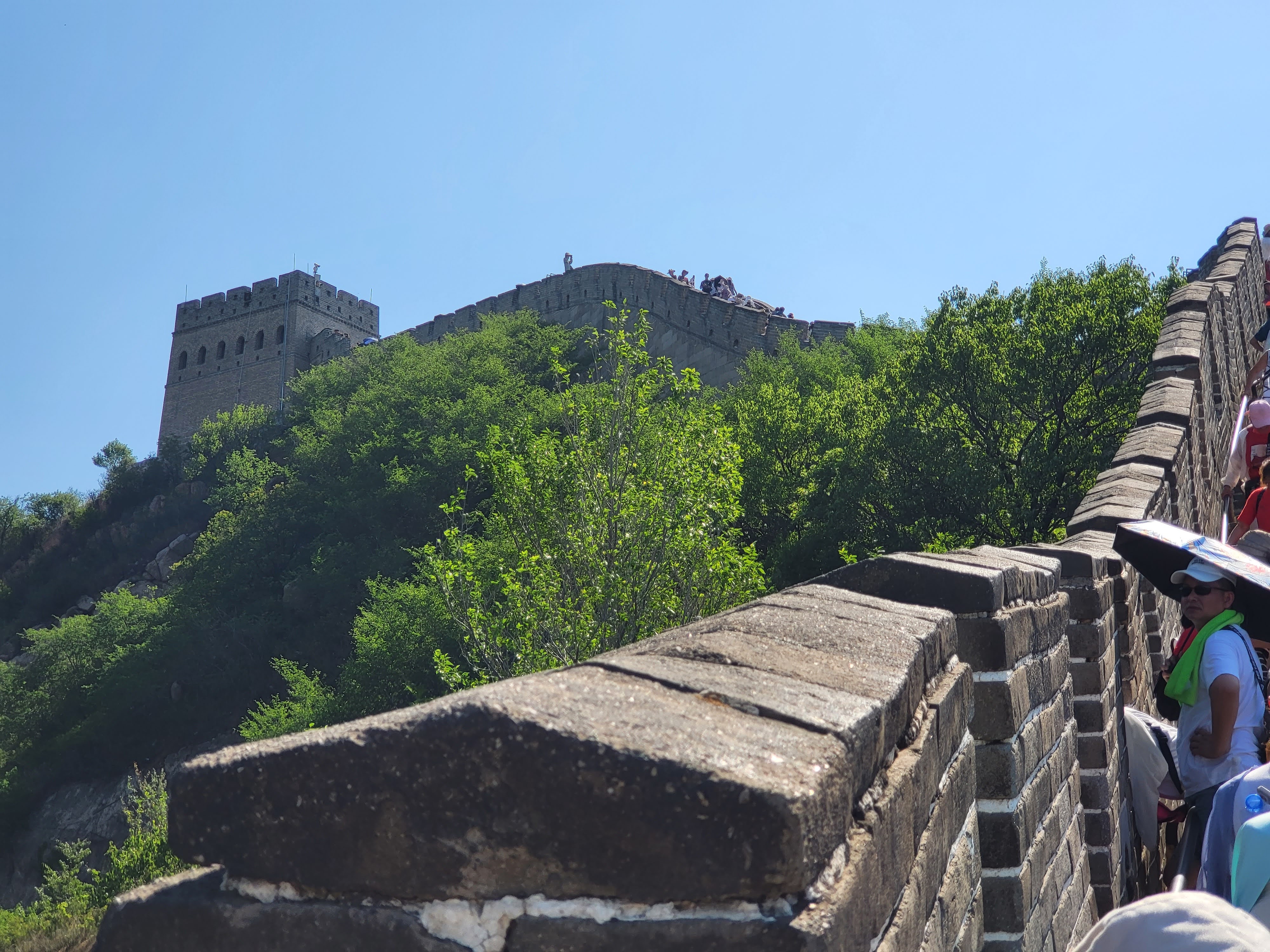
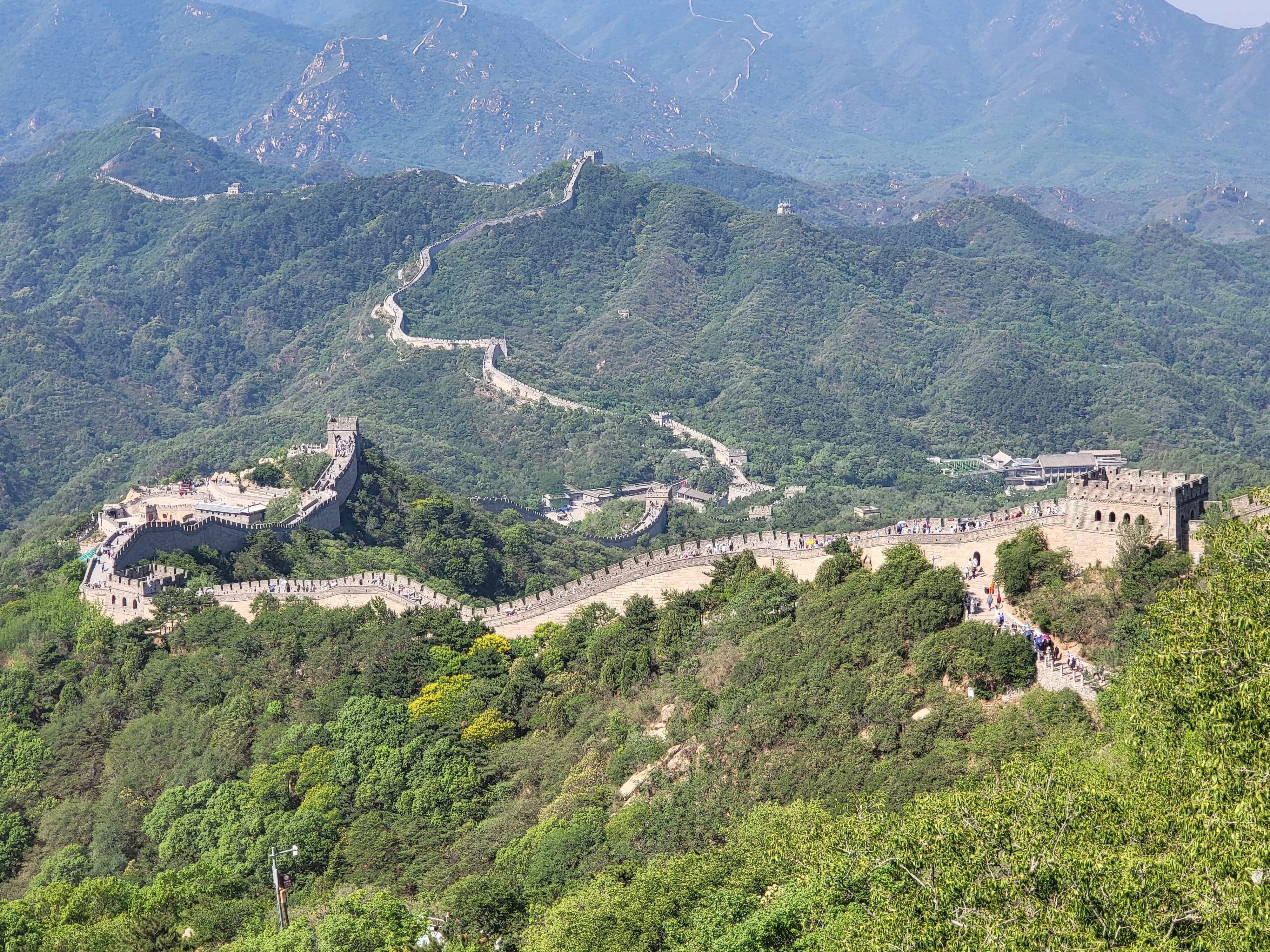
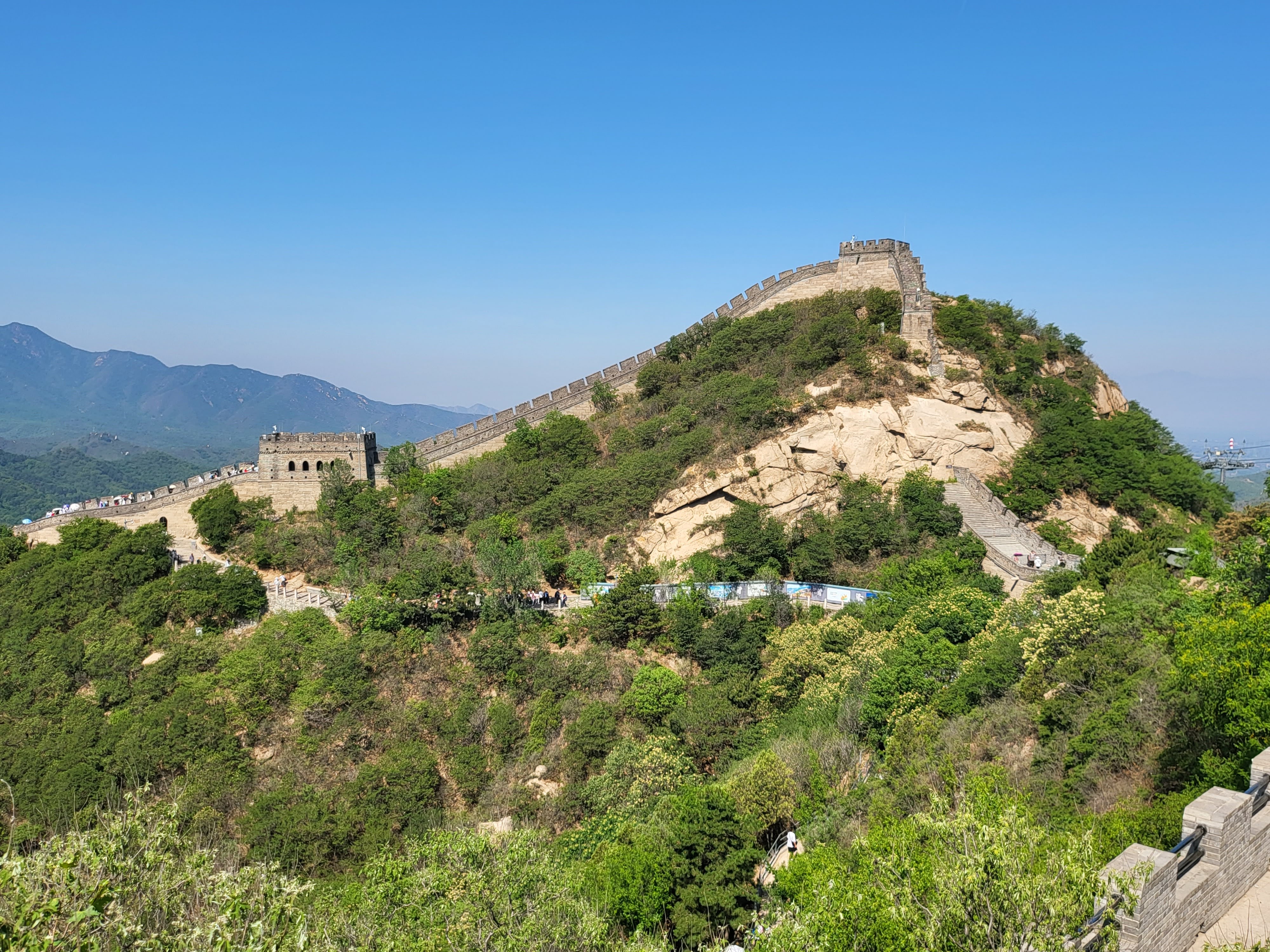
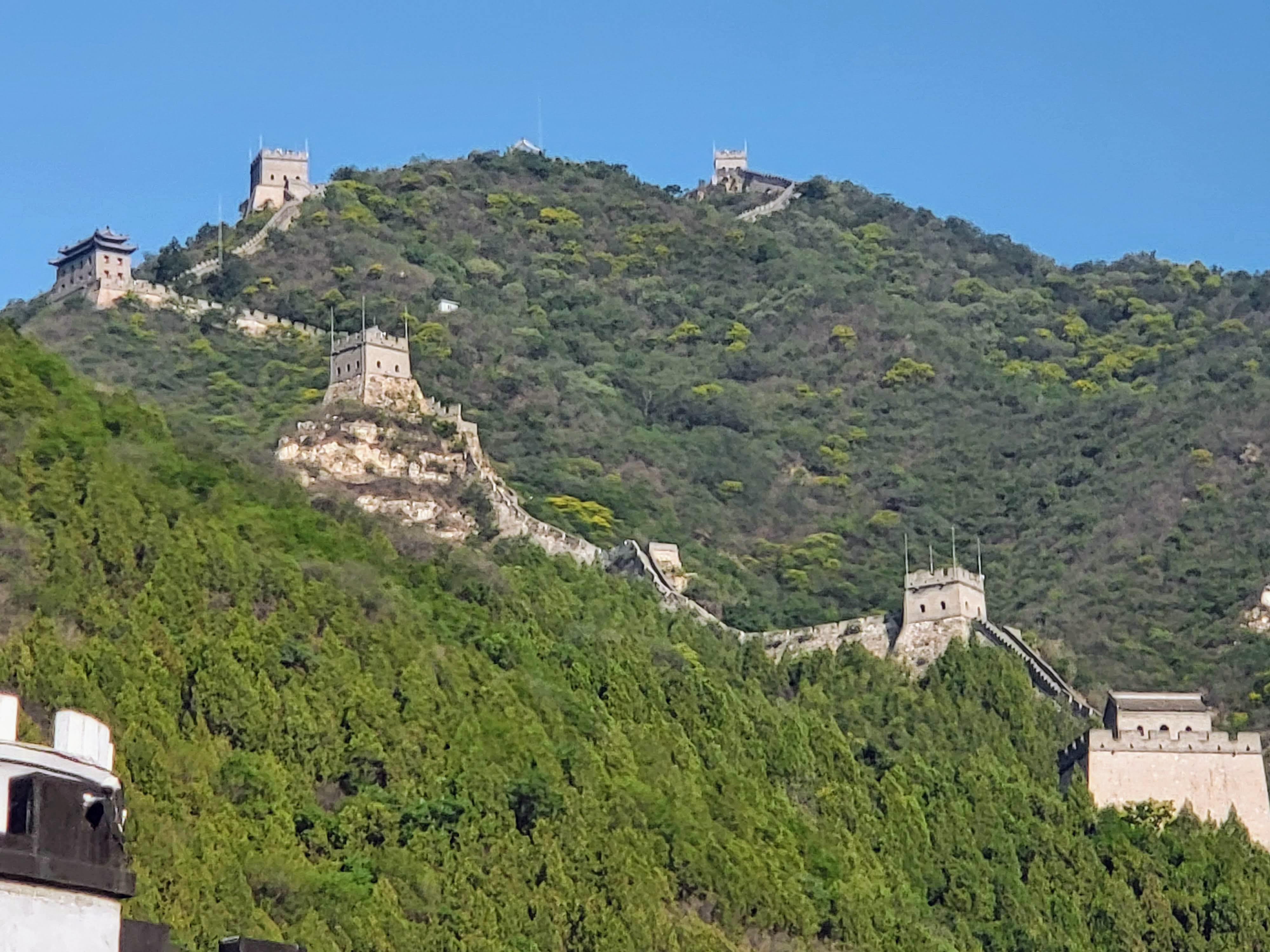
Along the Great Wall
The wall follows the mountain ridges beyond Beijing, with watchtowers marking its route. The steep terrain becomes part of the fortification, carrying the wall uphill and down through the folds of the landscape.
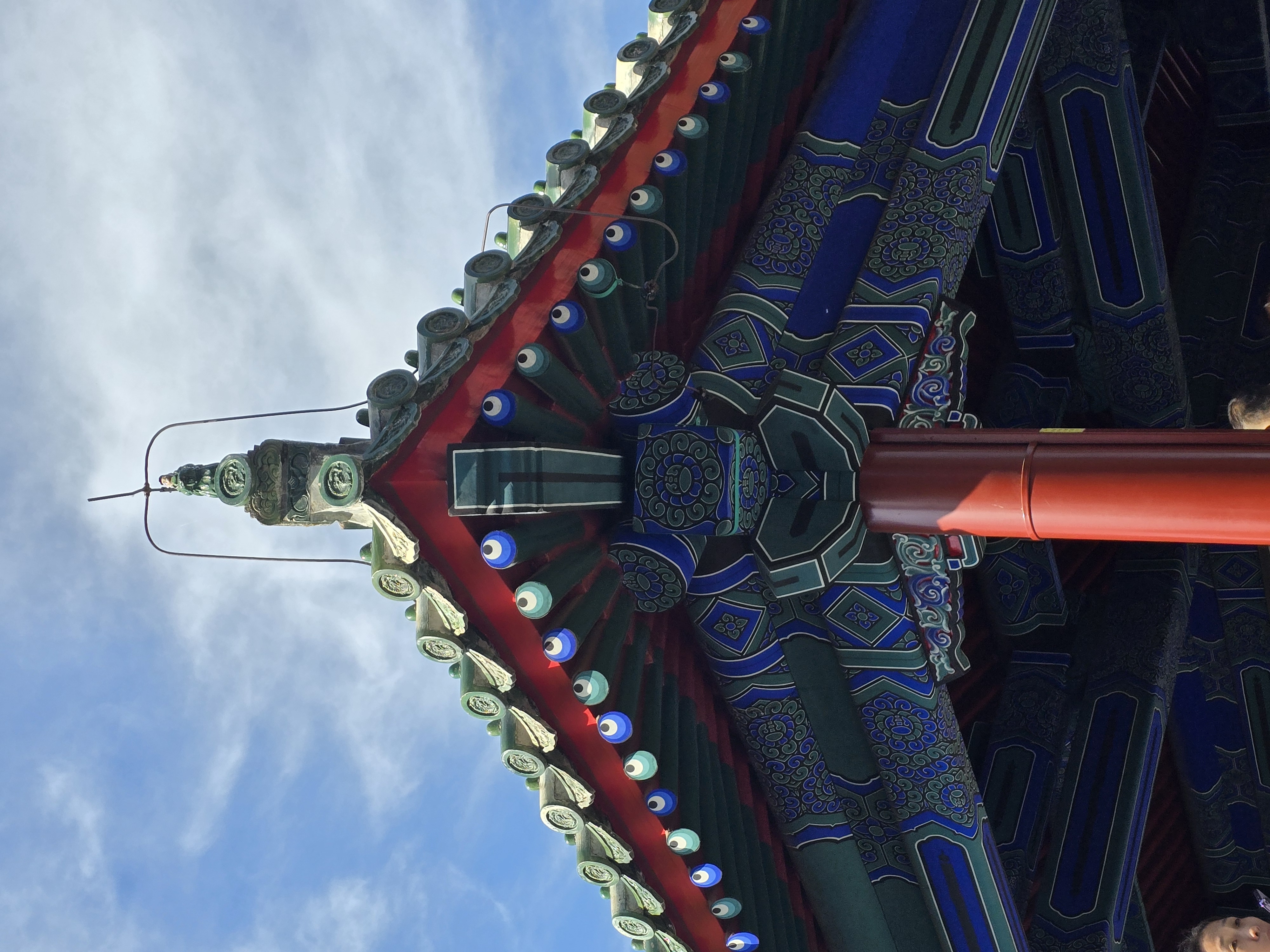
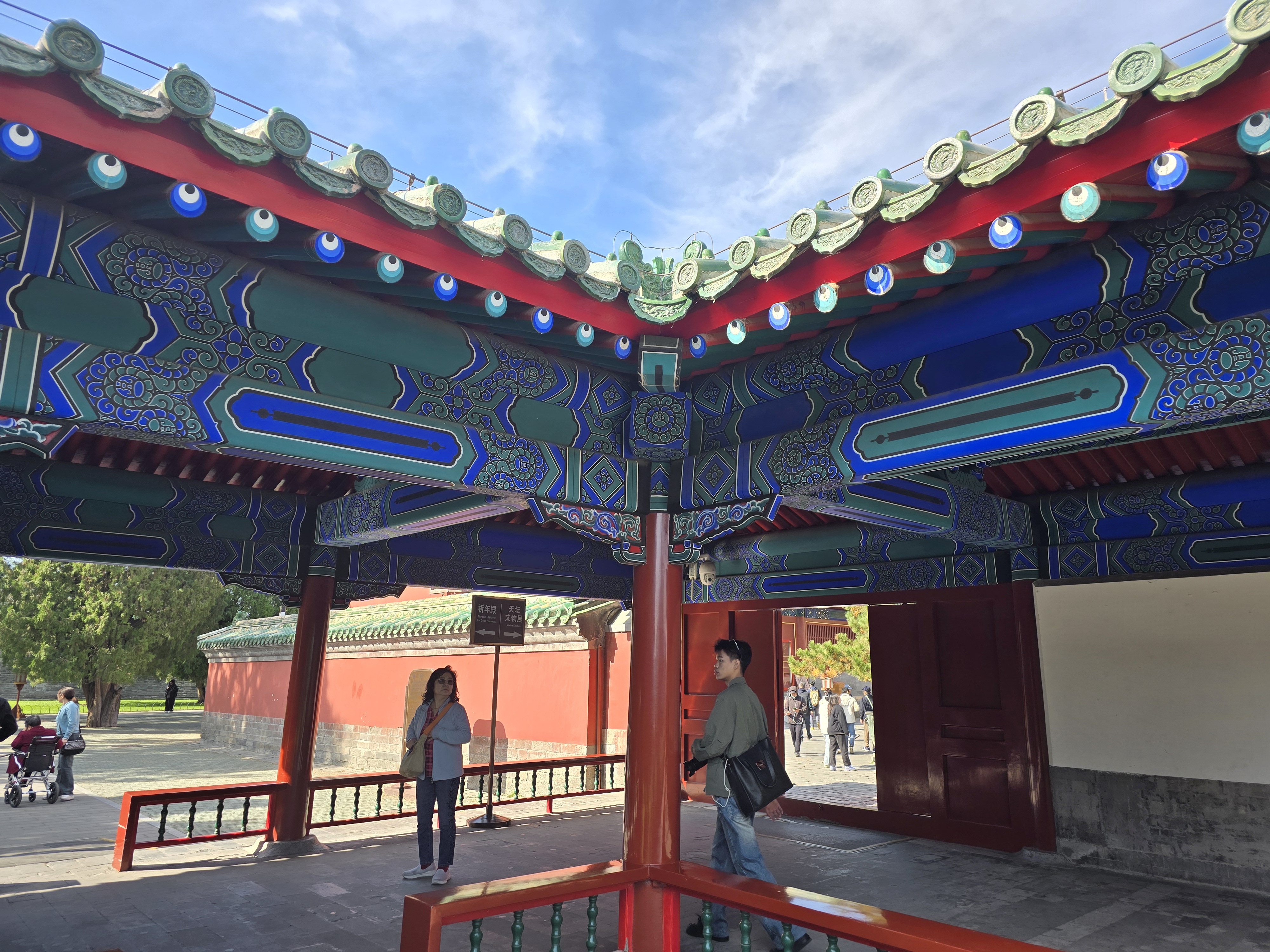


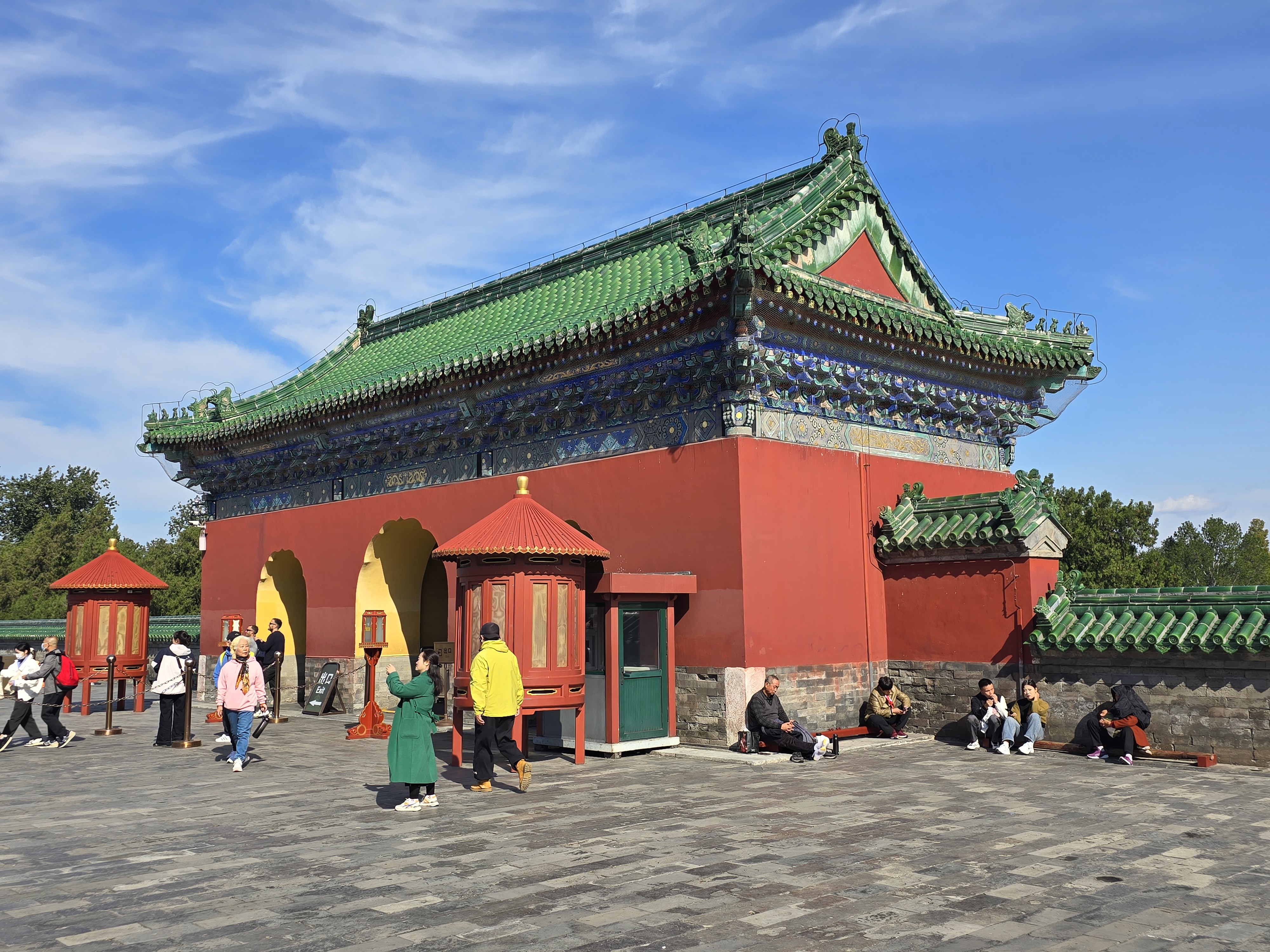
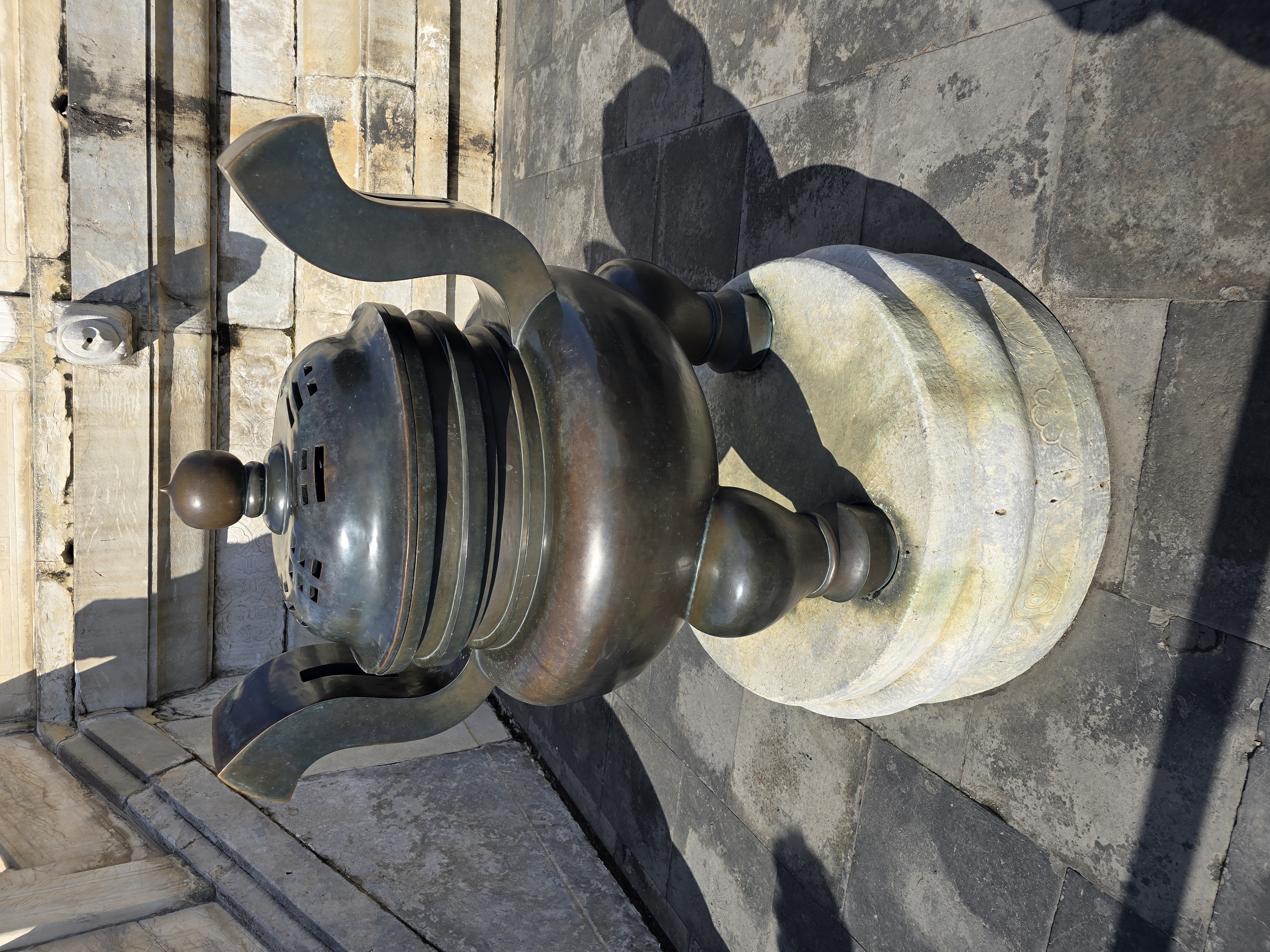
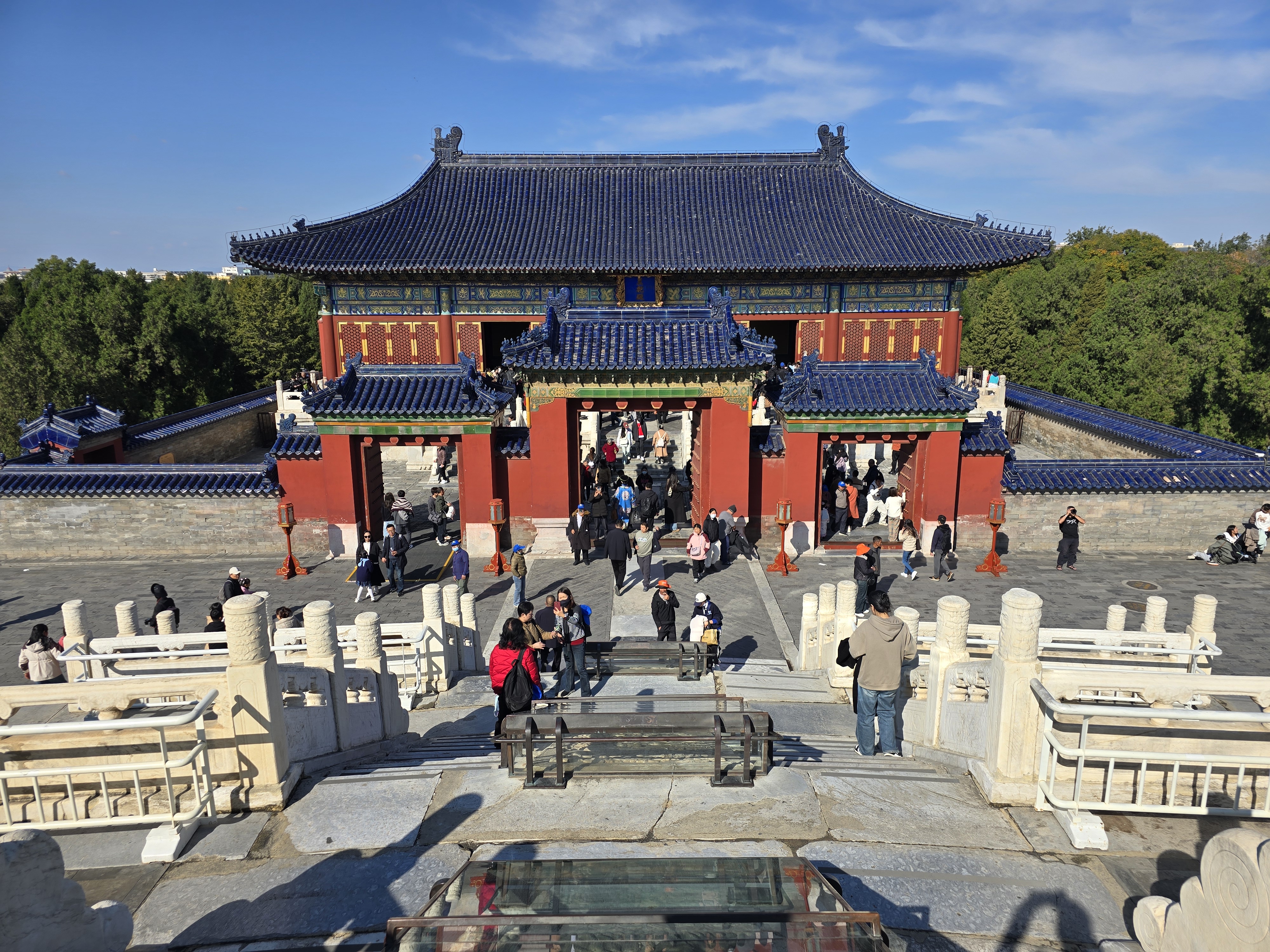
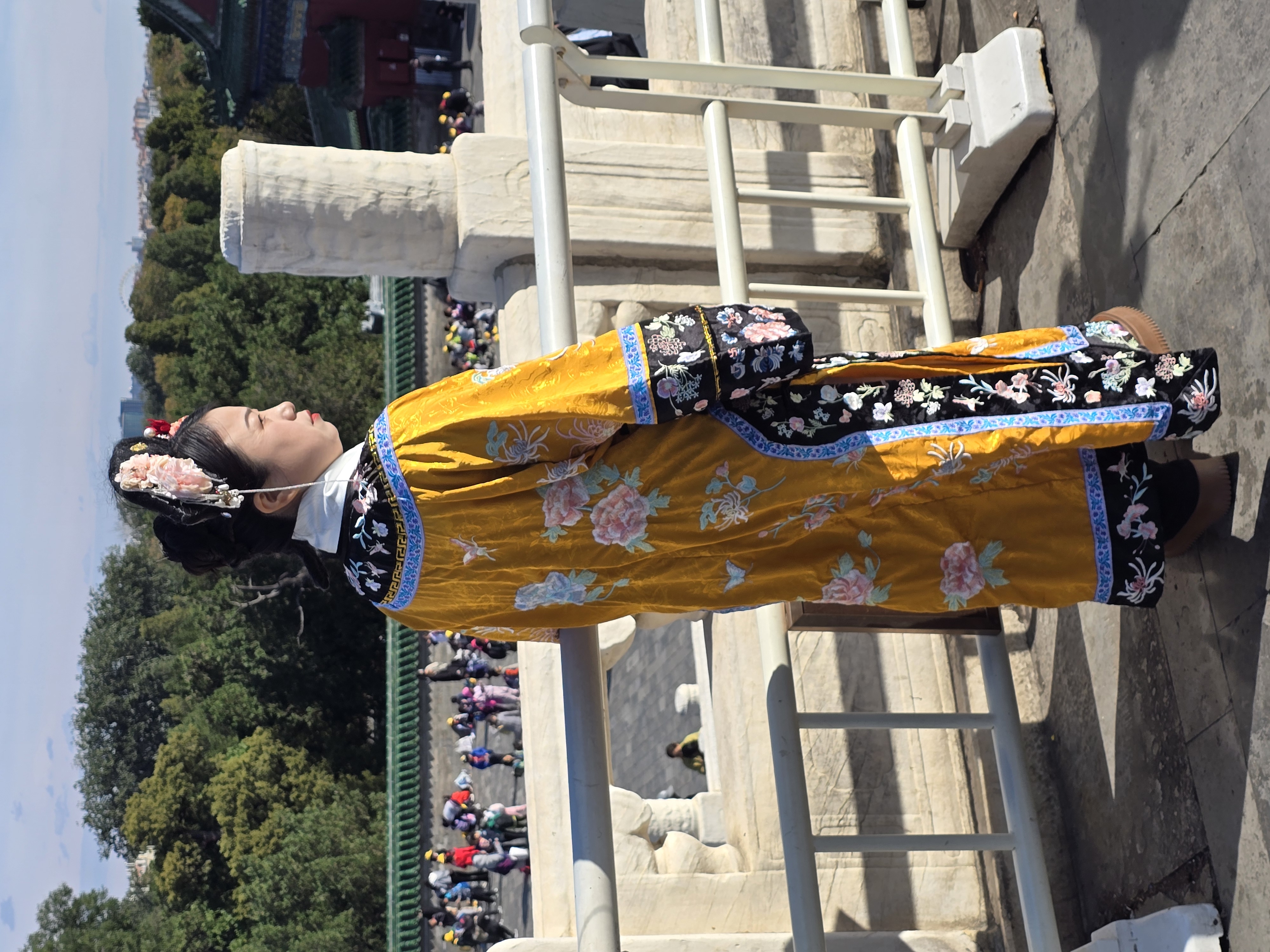
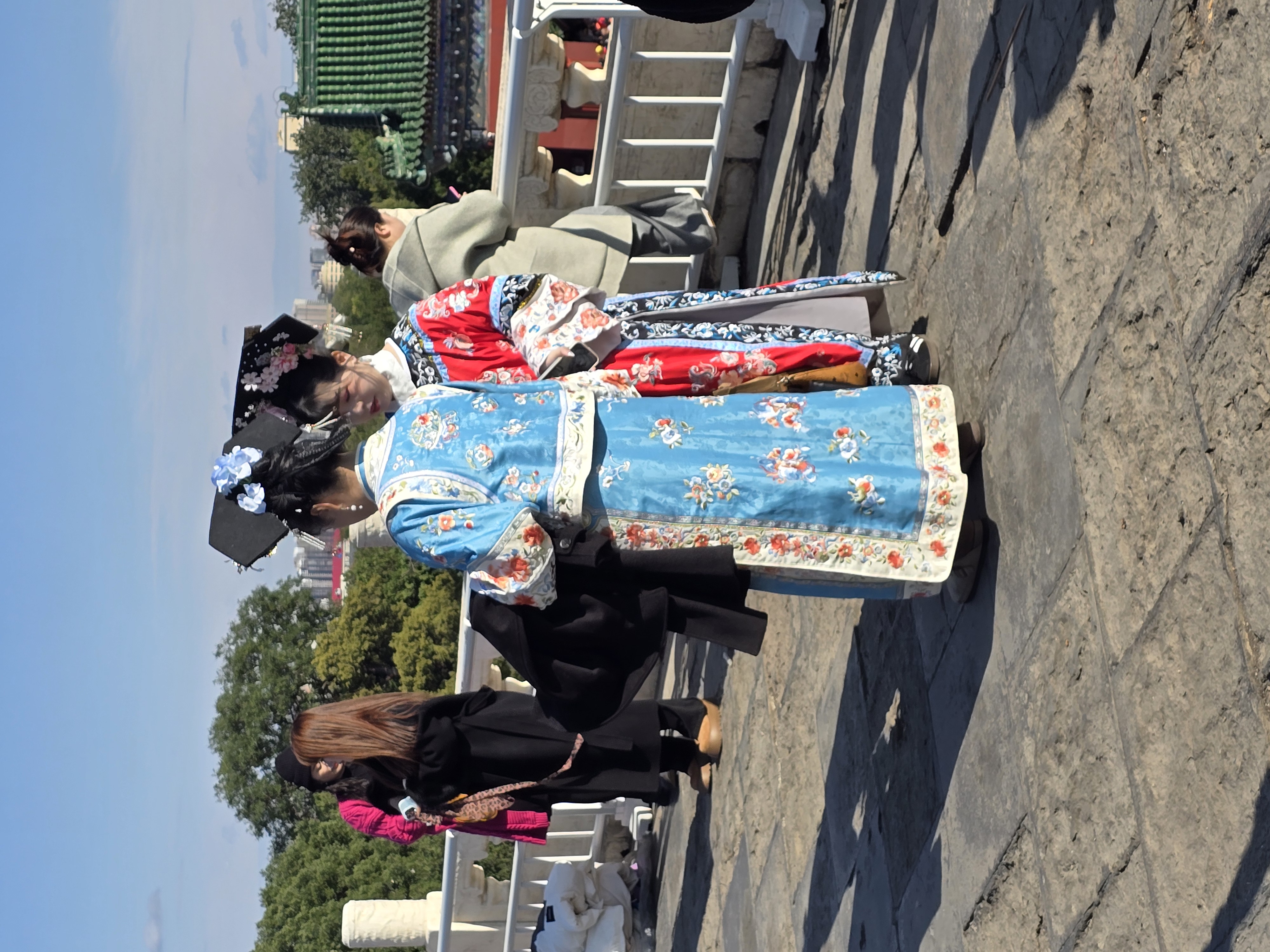

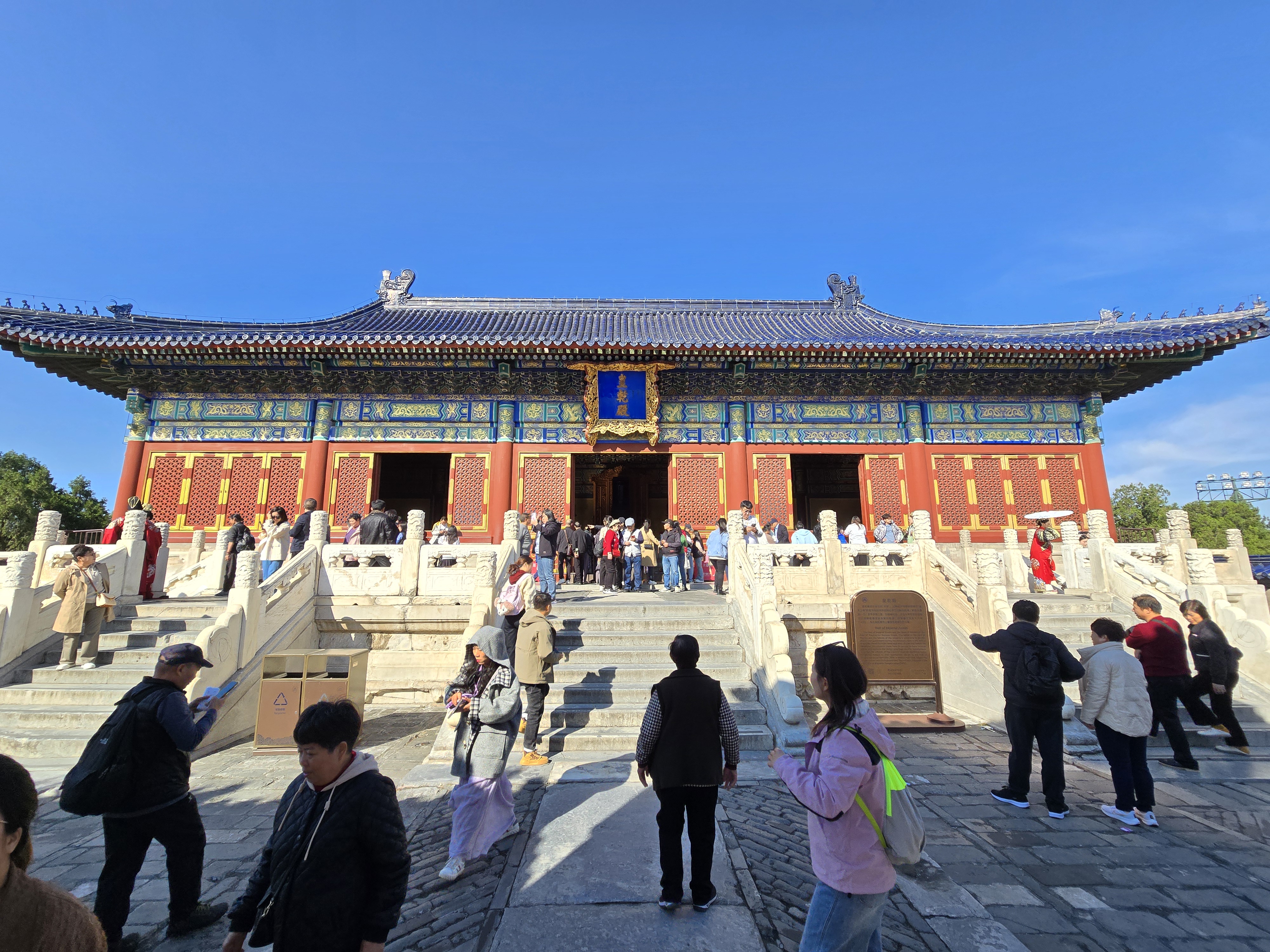
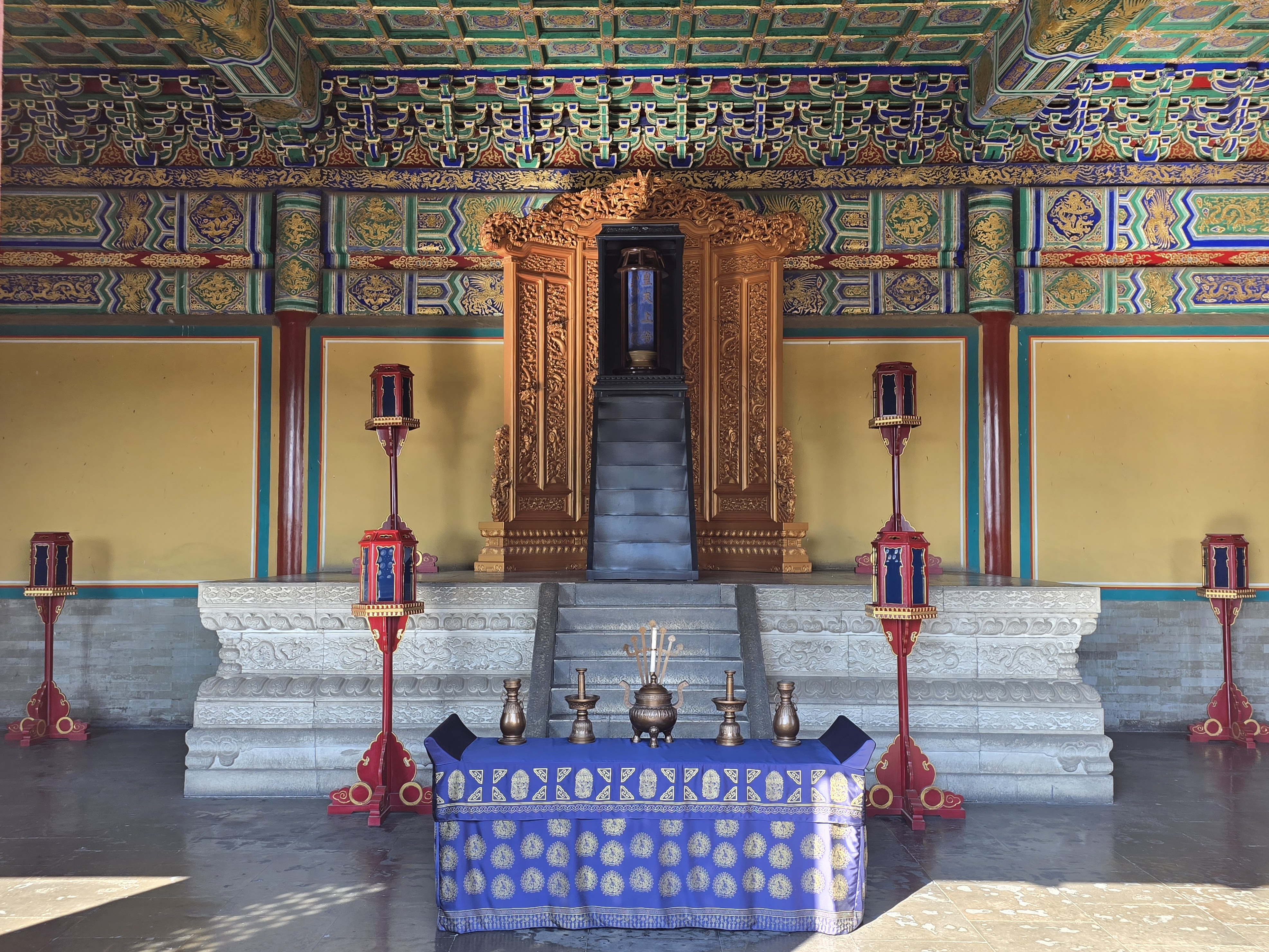
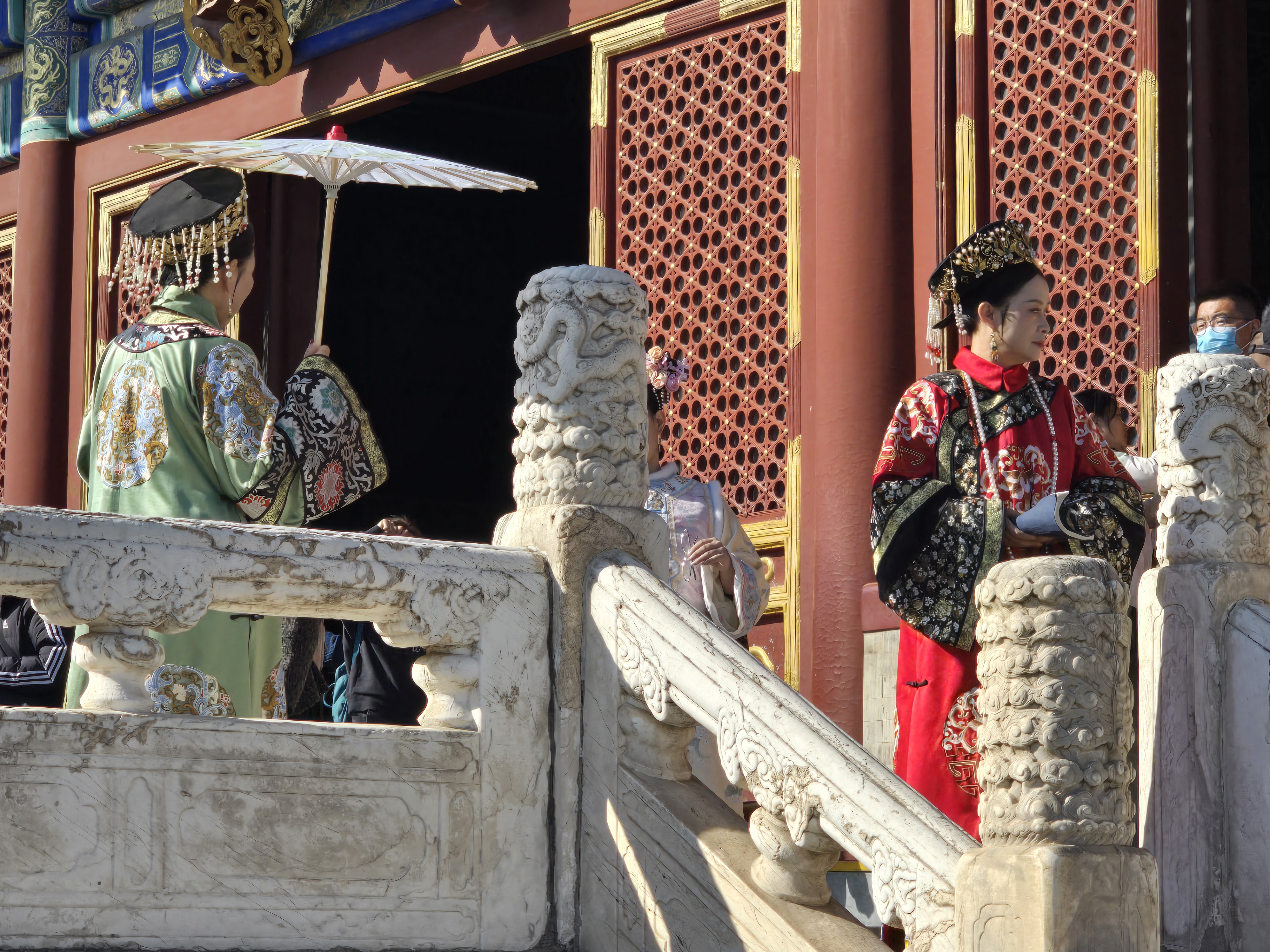


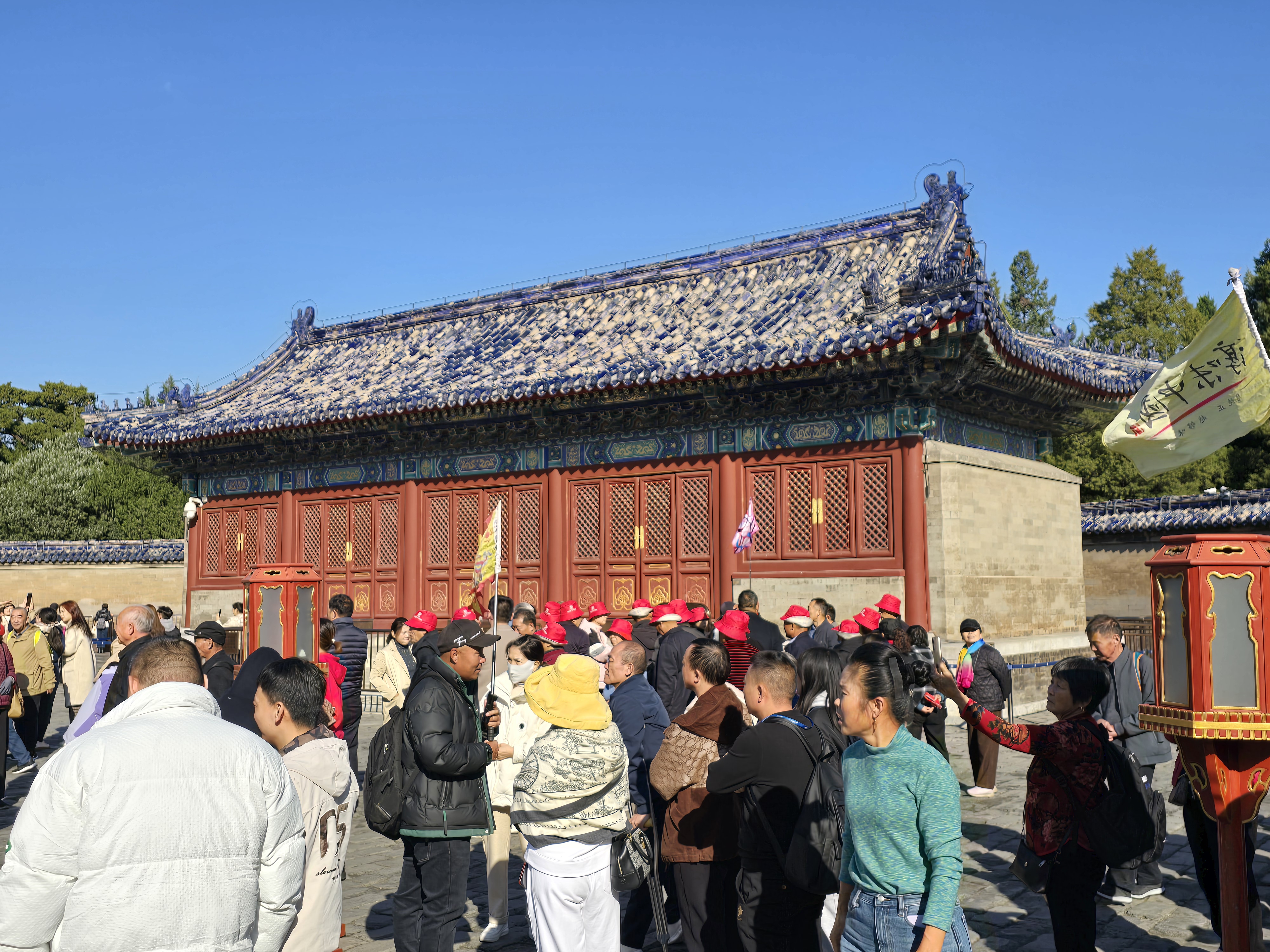
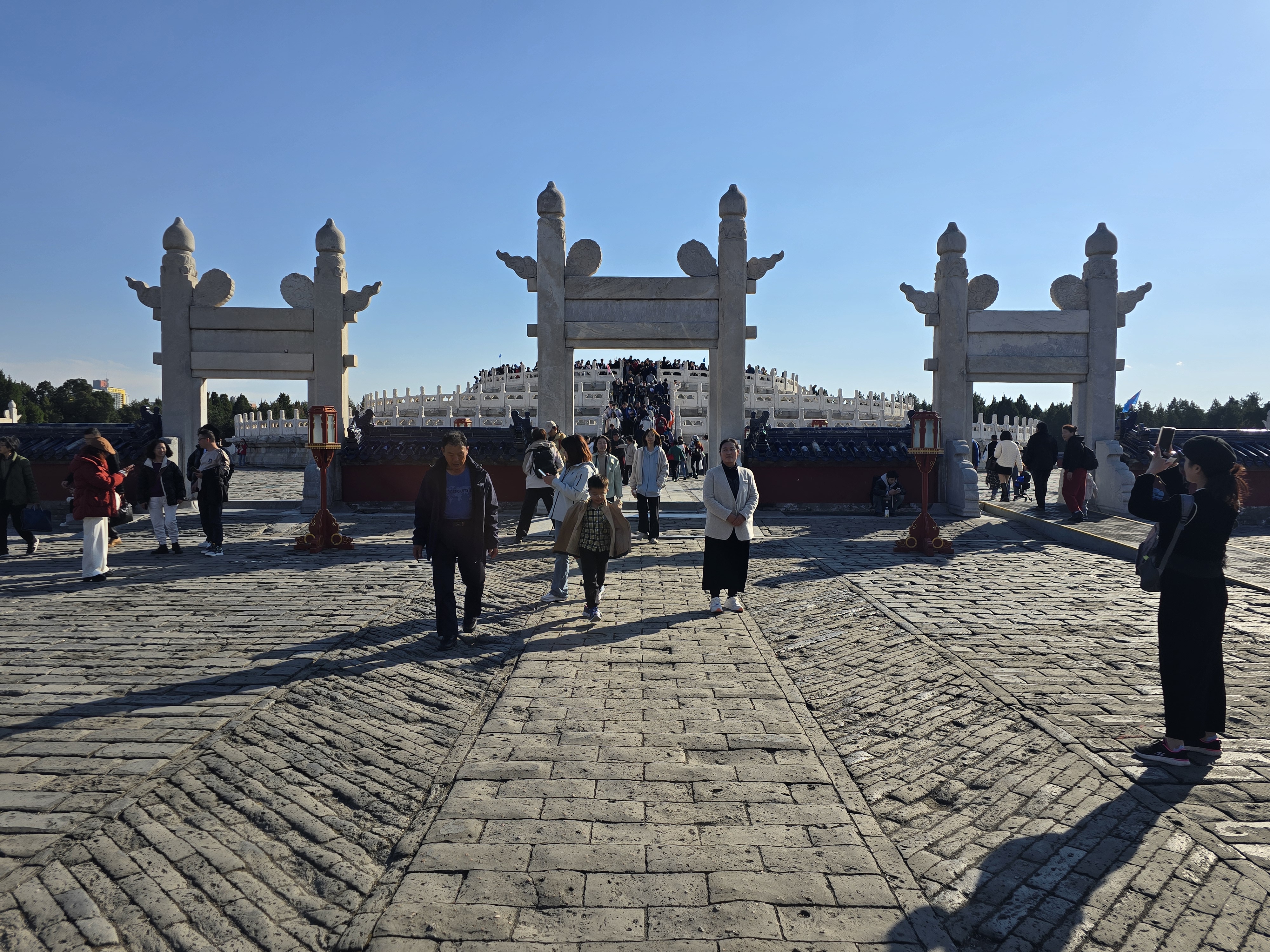
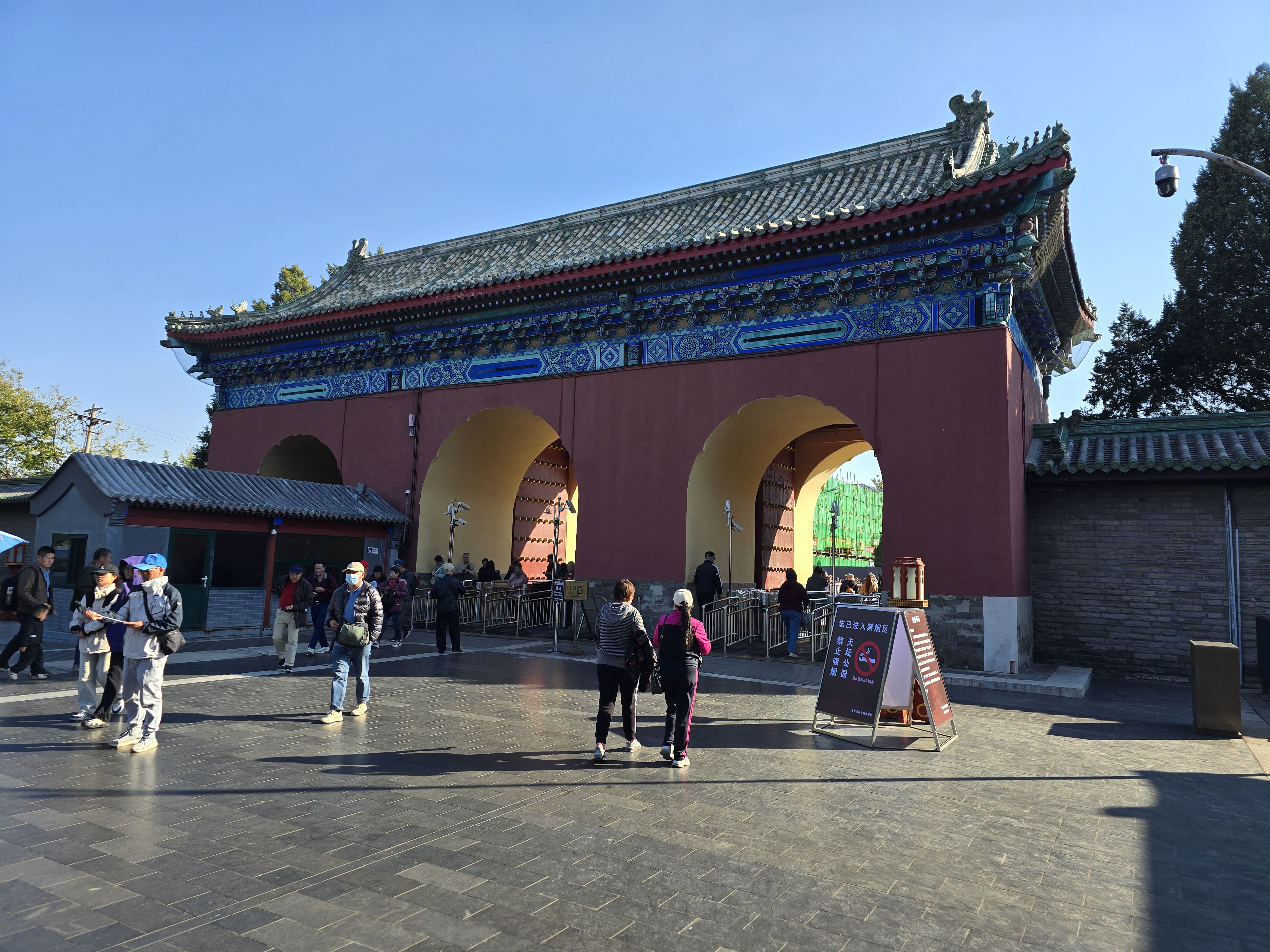
Temple of Heaven
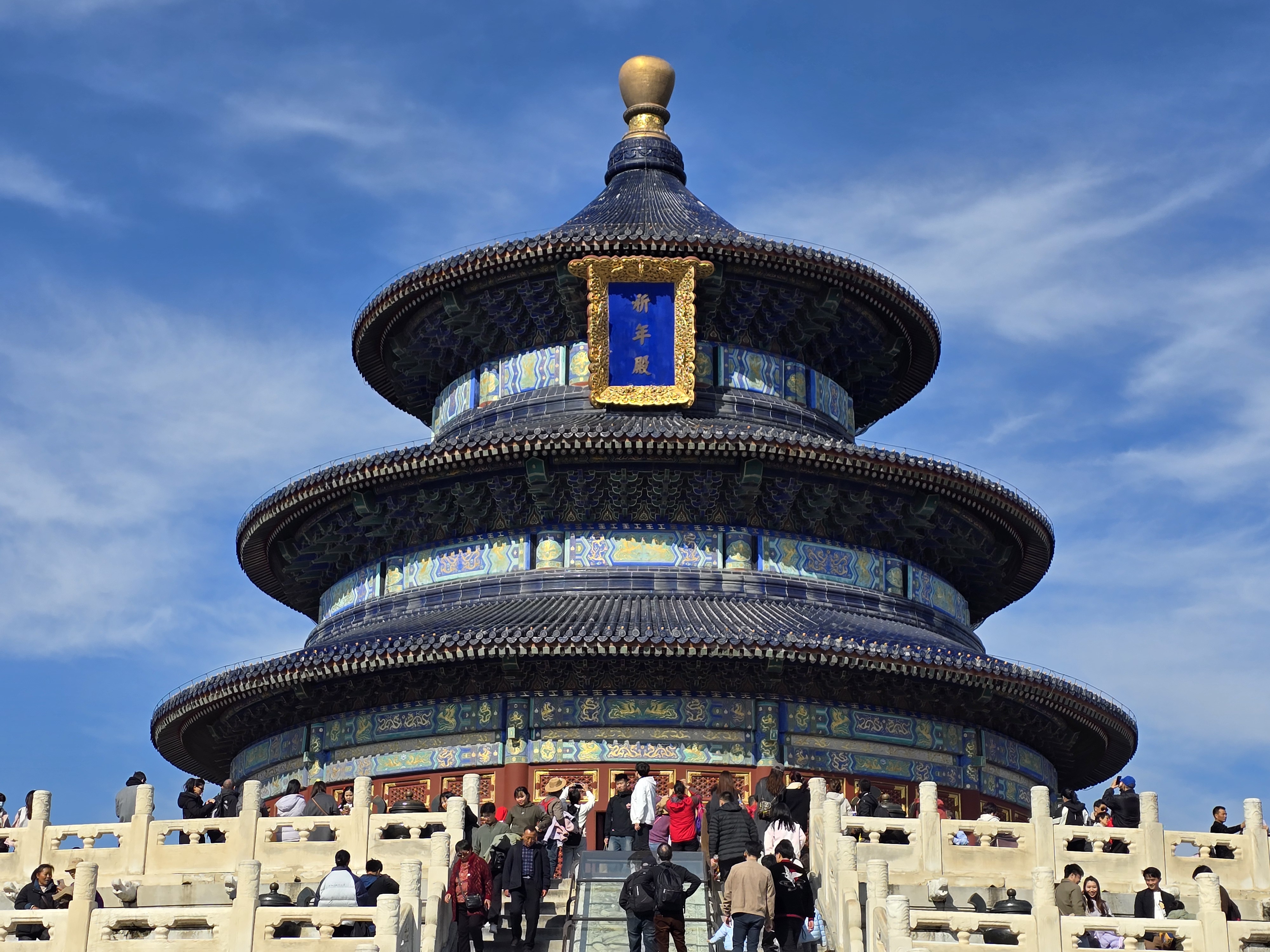
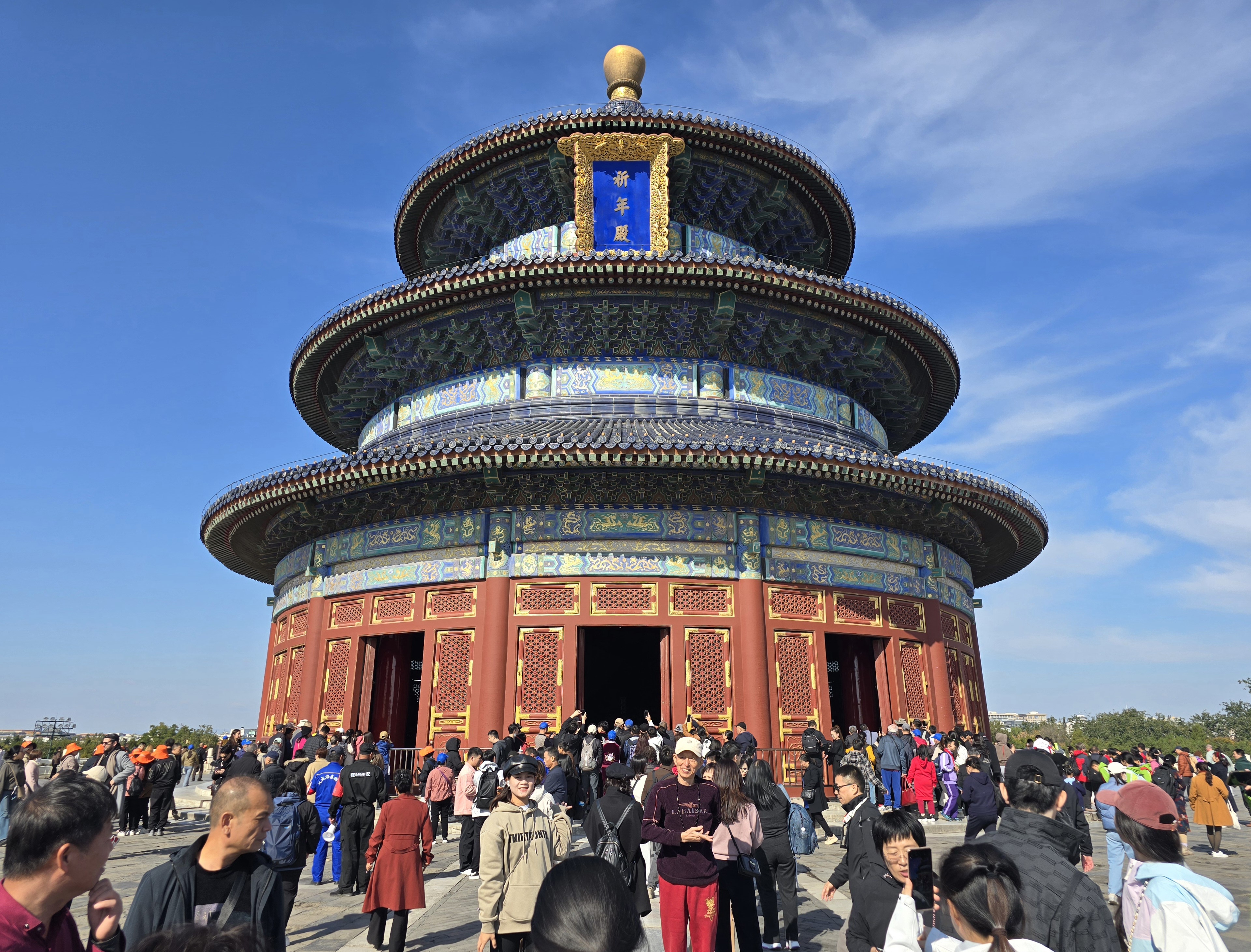
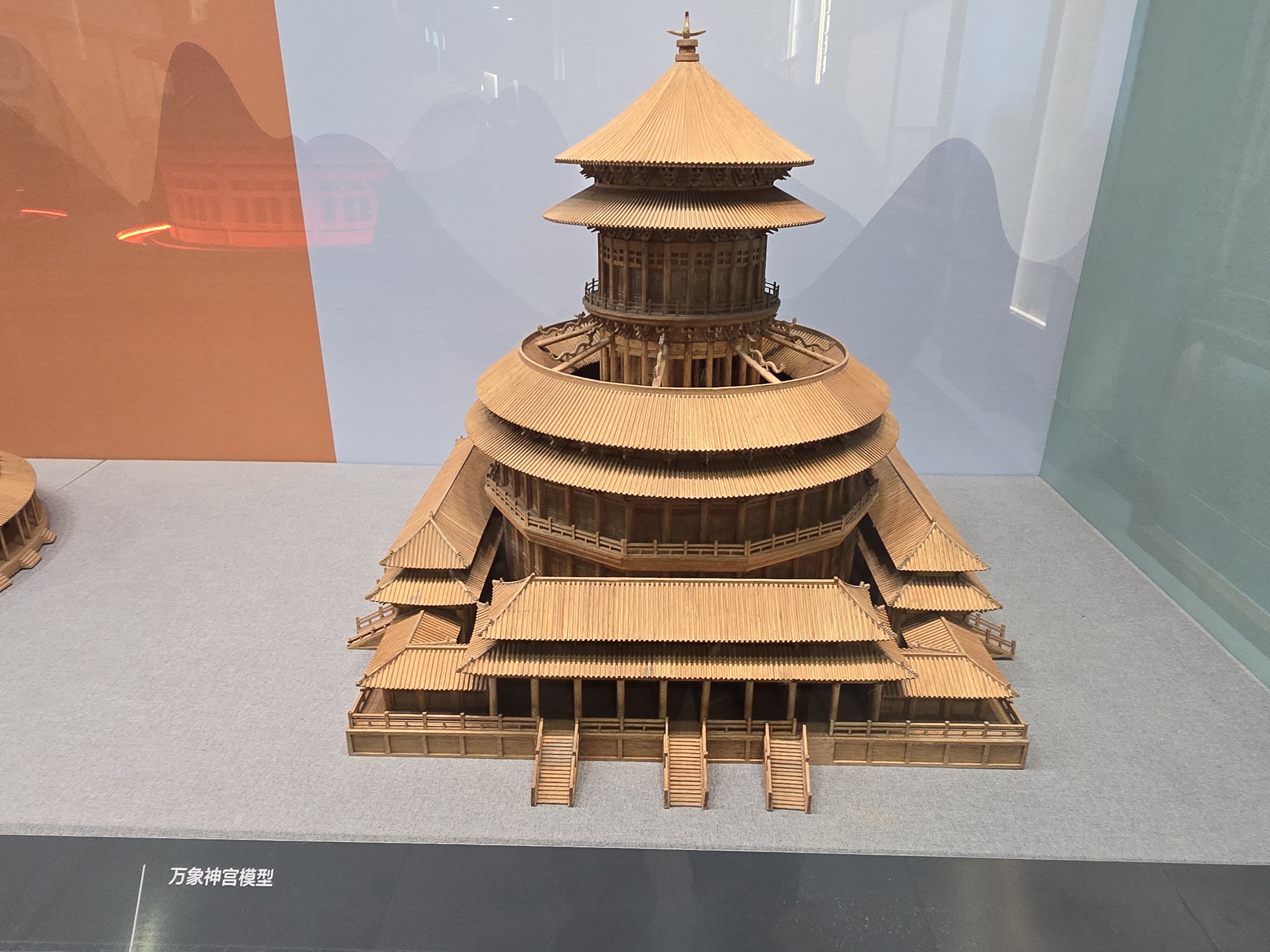
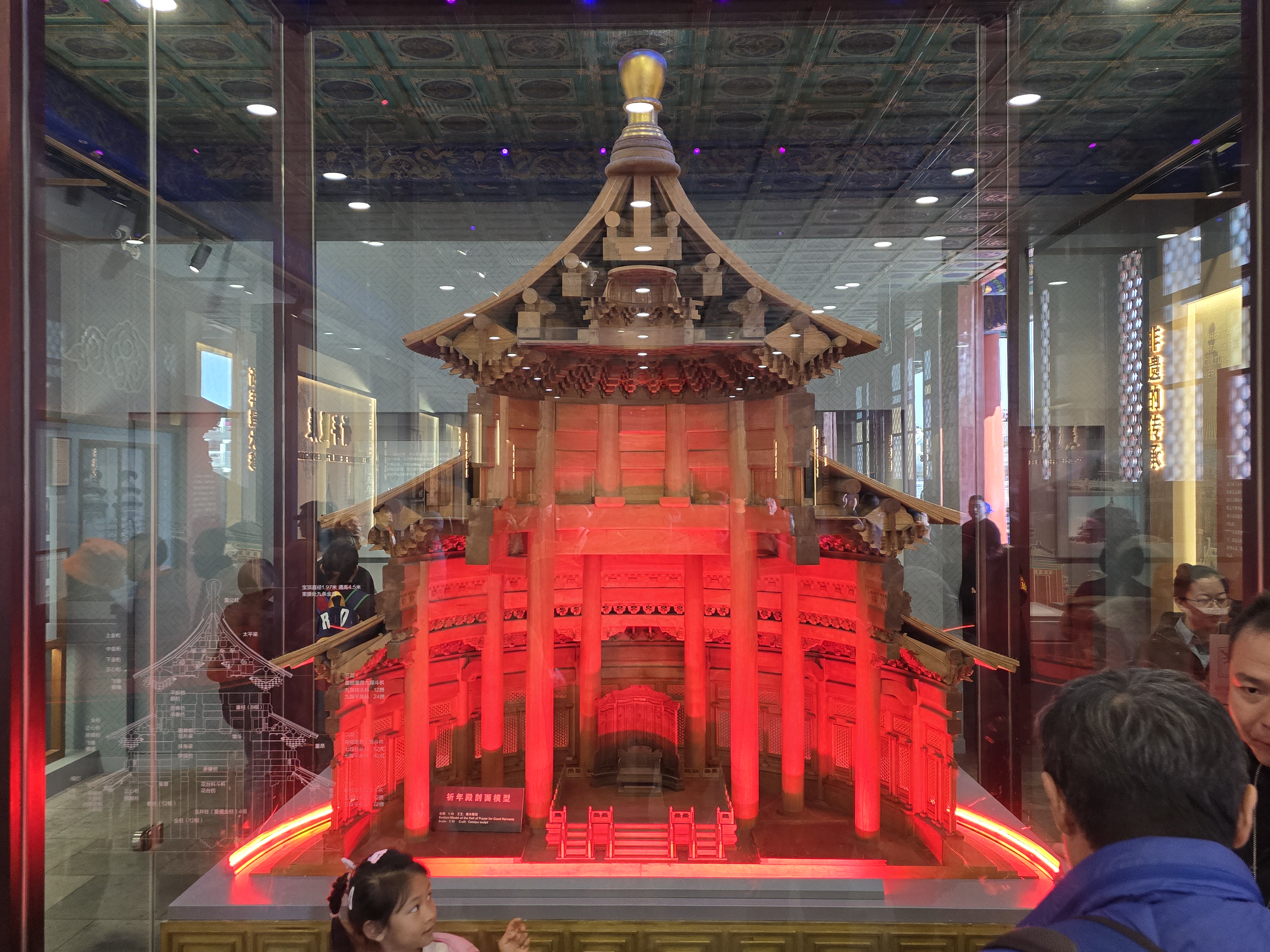
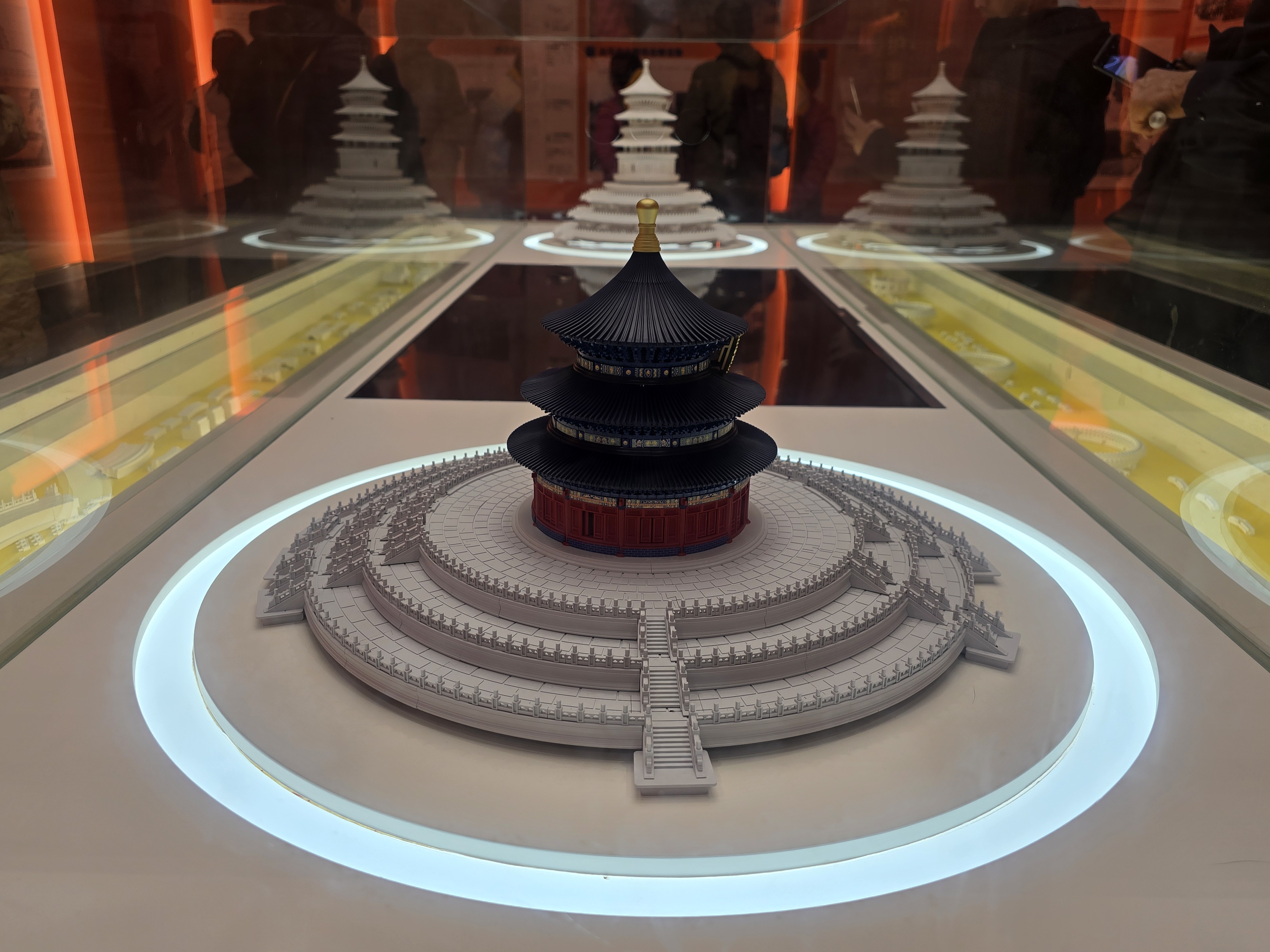
The Hall of Prayer for Good Harvests is the best-known building in the complex. Three circular blue-tiled roofs rise above marble terraces, marking the hall where emperors prayed for a successful harvest.
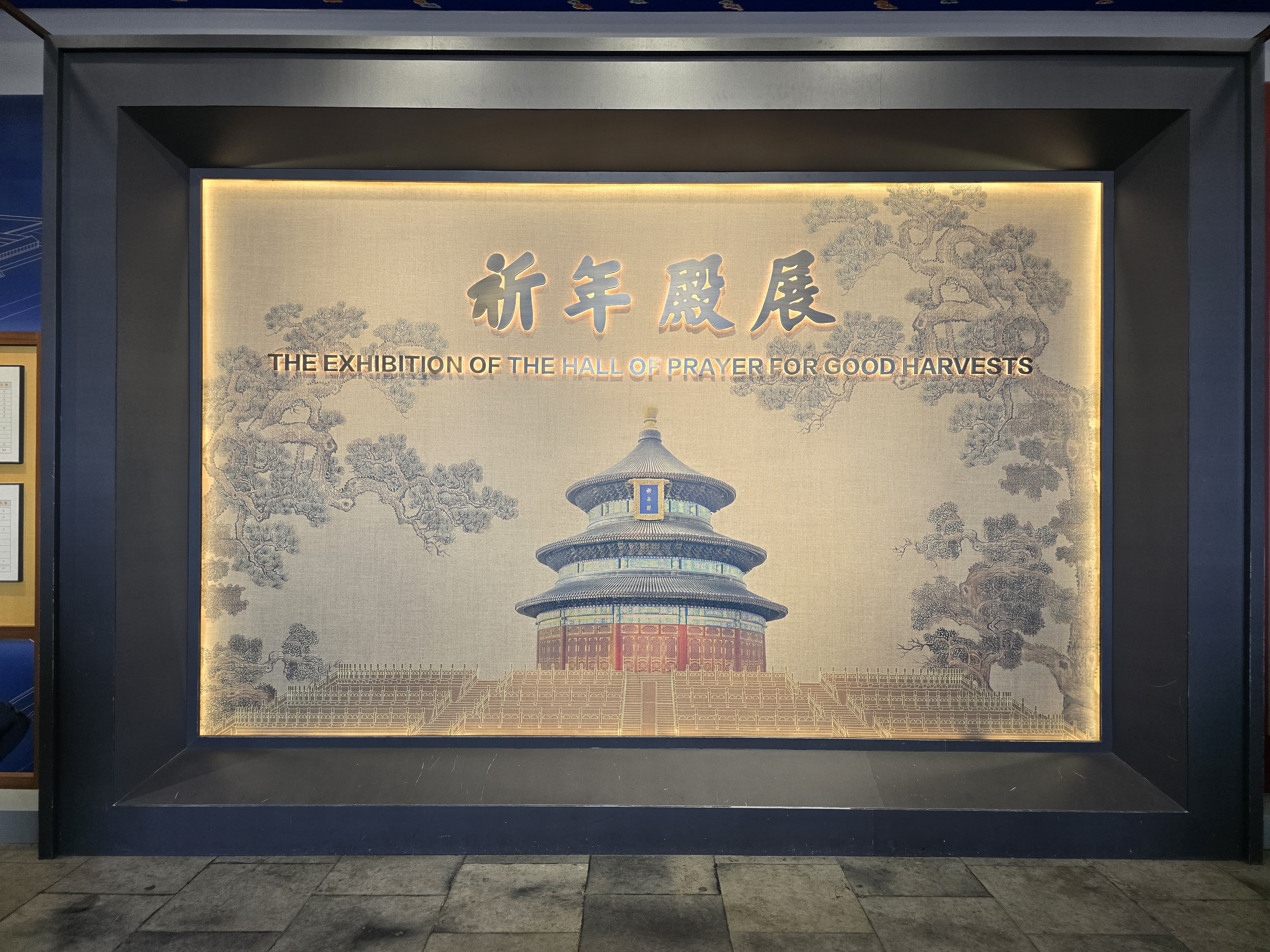


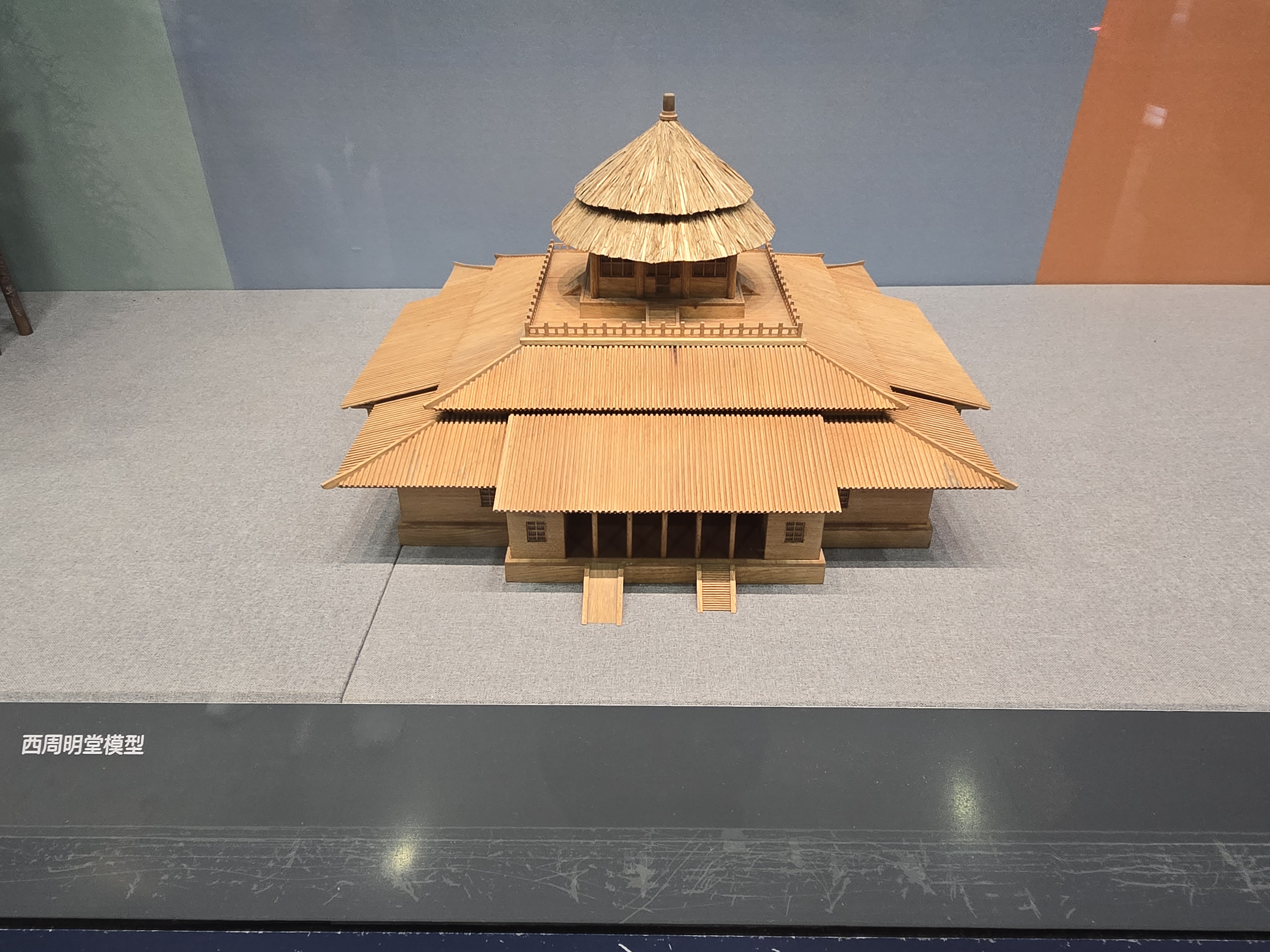
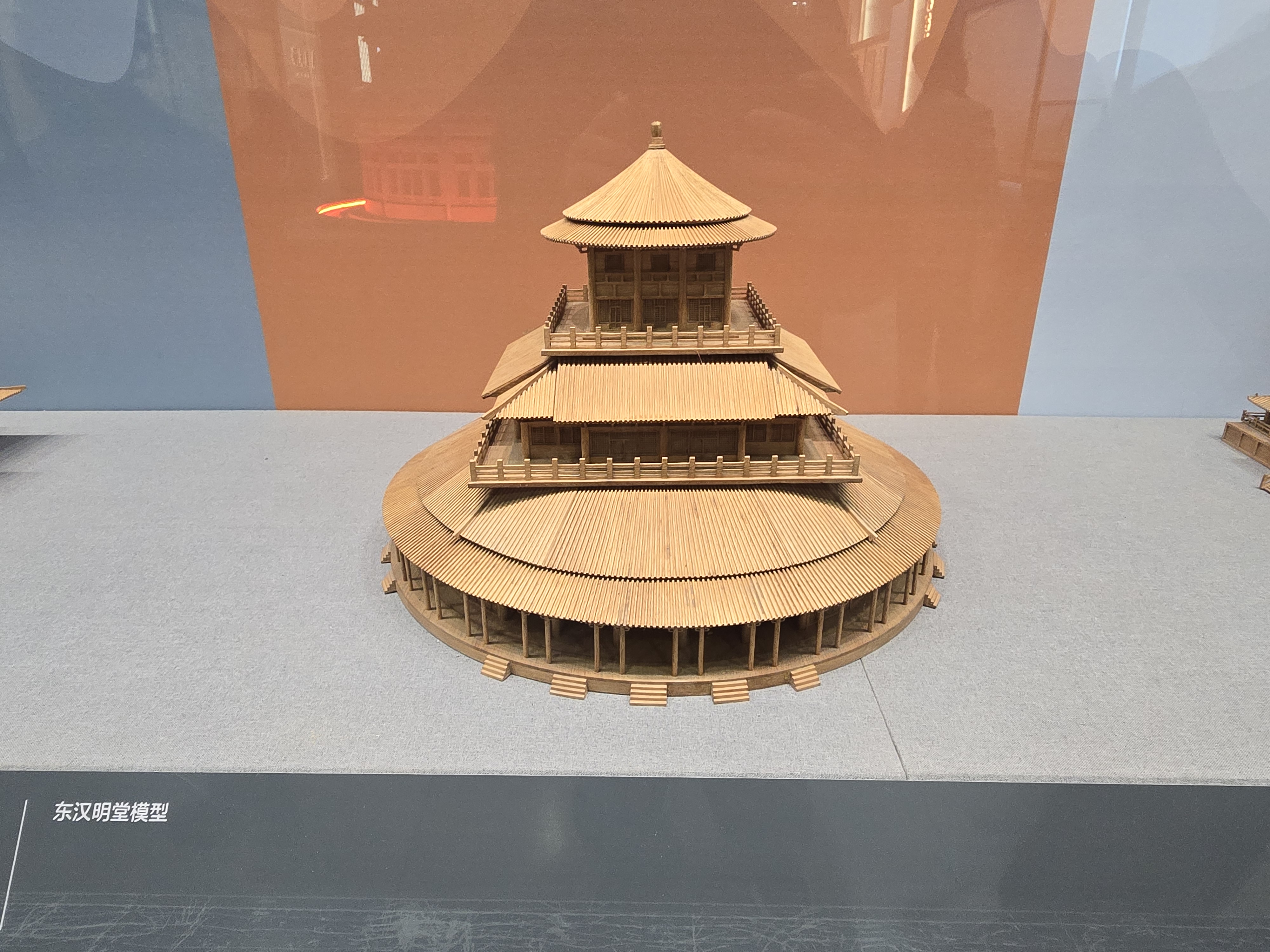
The architecture in miniature
A historical illustration of the Temple of Heaven’s prayer hall. The display provides another view of the familiar circular building, translating its roofs and terraces into a flat image.


Beihai, by the water
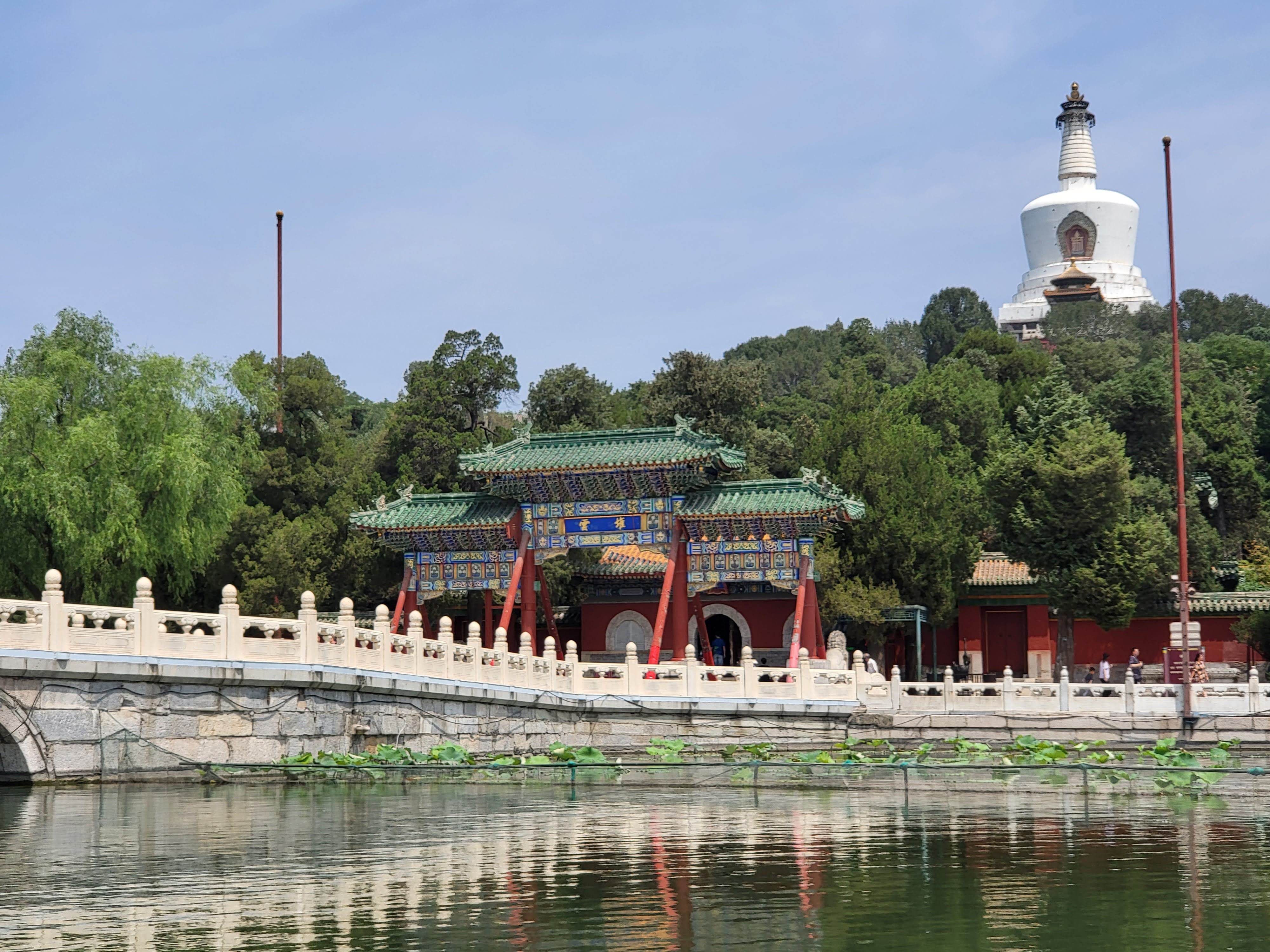
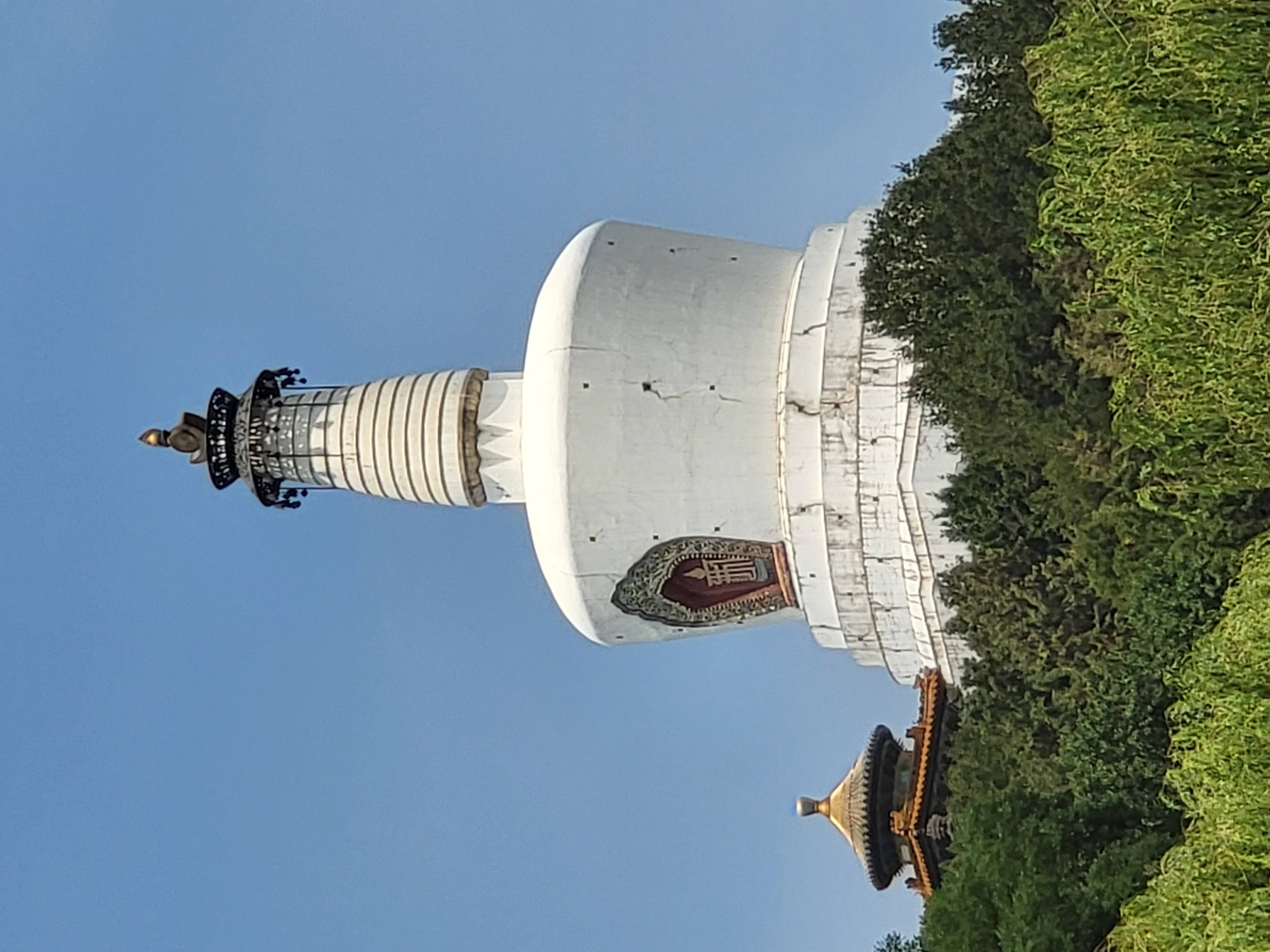
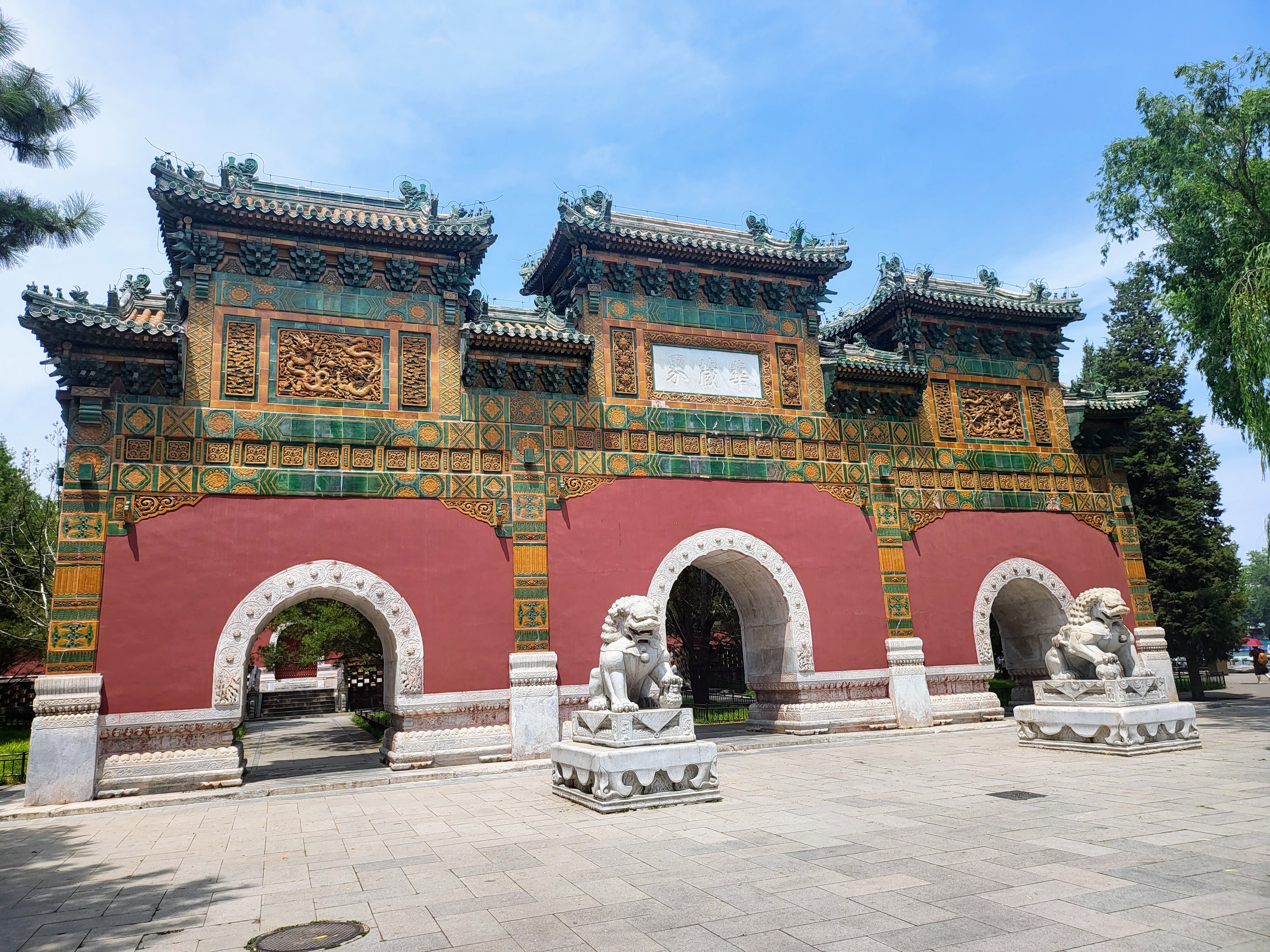
The White Dagoba rises above Qionghua Island. The Tibetan-style Buddhist monument is the park’s best-known landmark, visible across the lake above the trees.

Through the hutongs
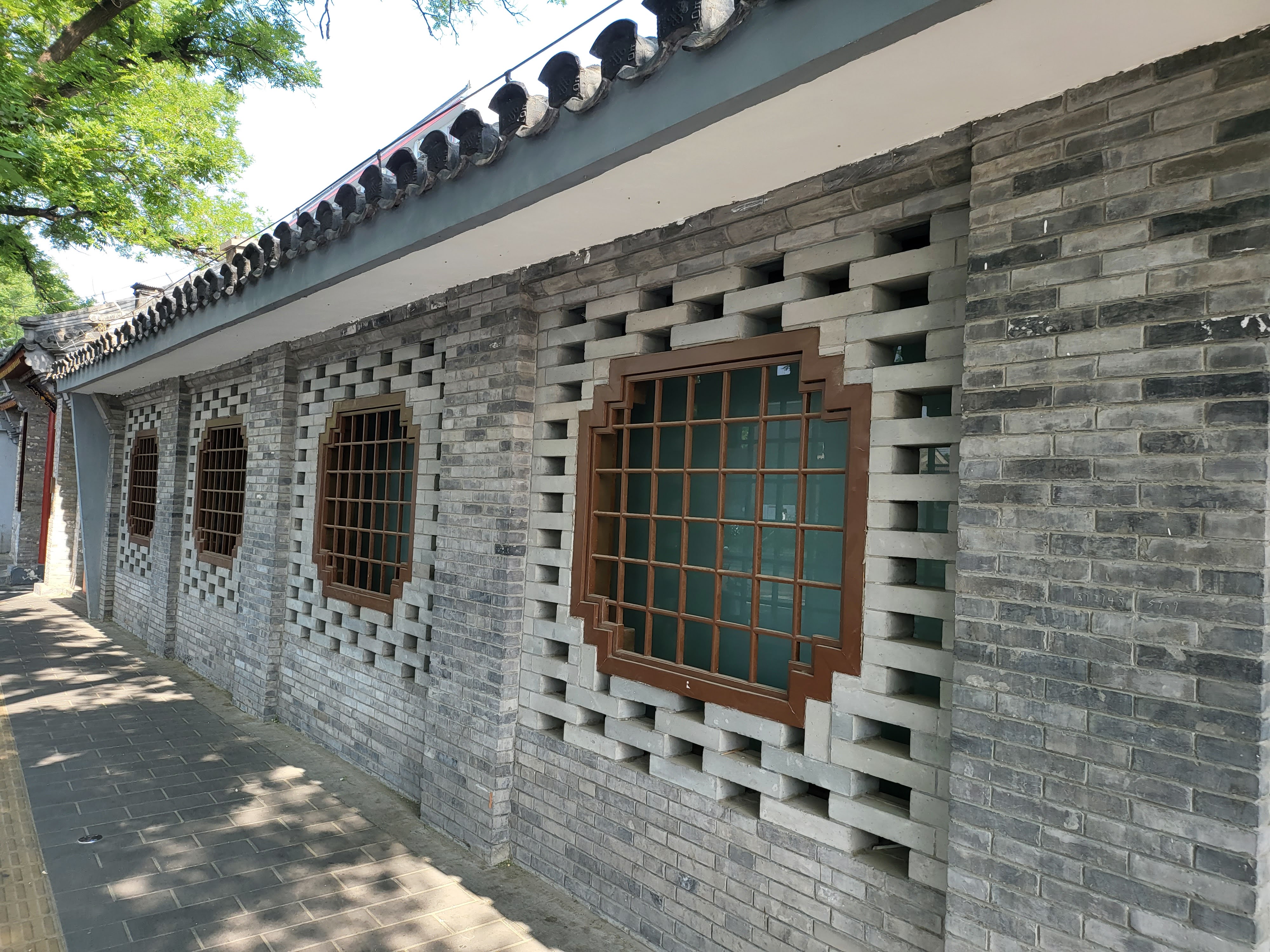
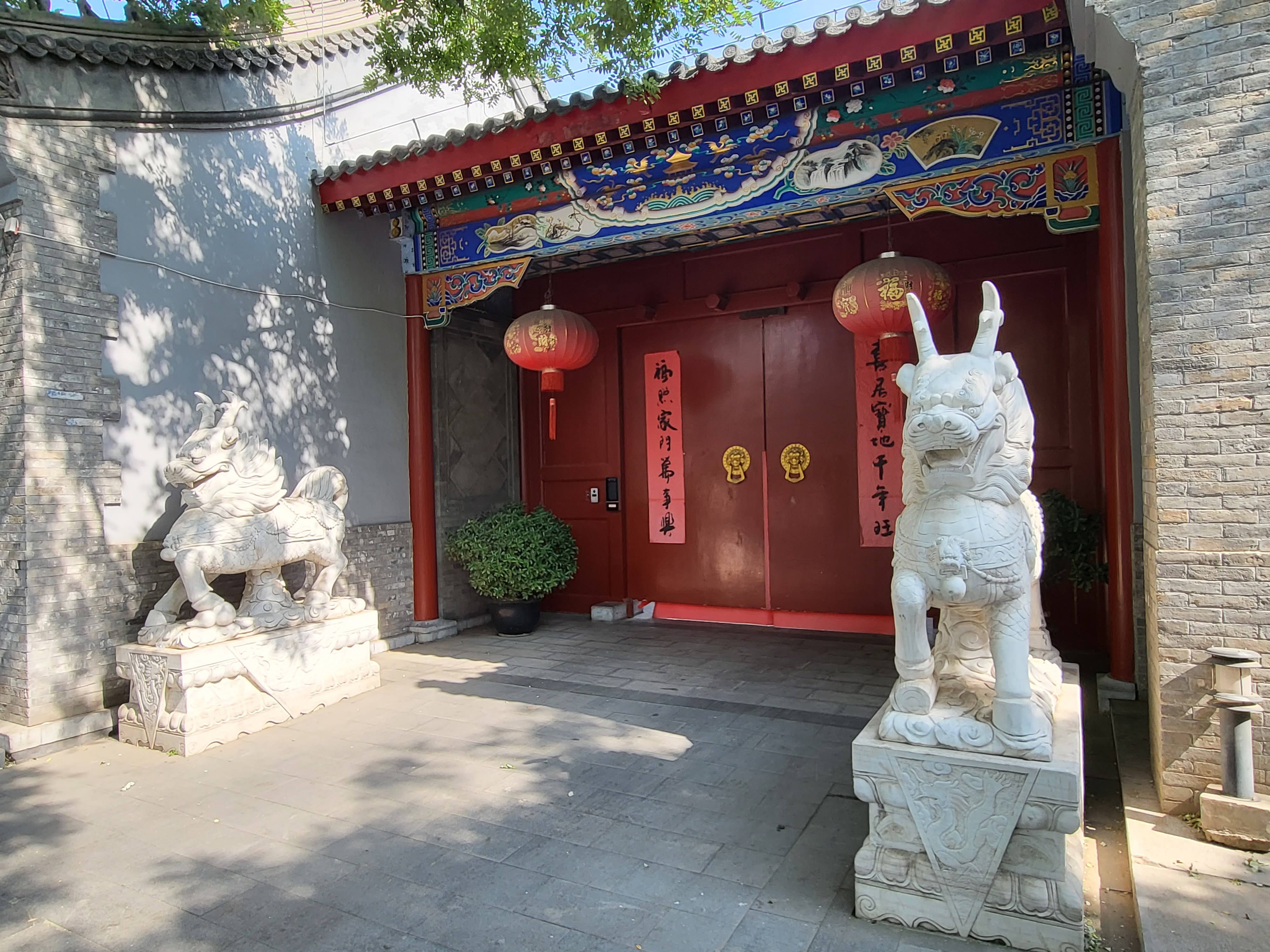
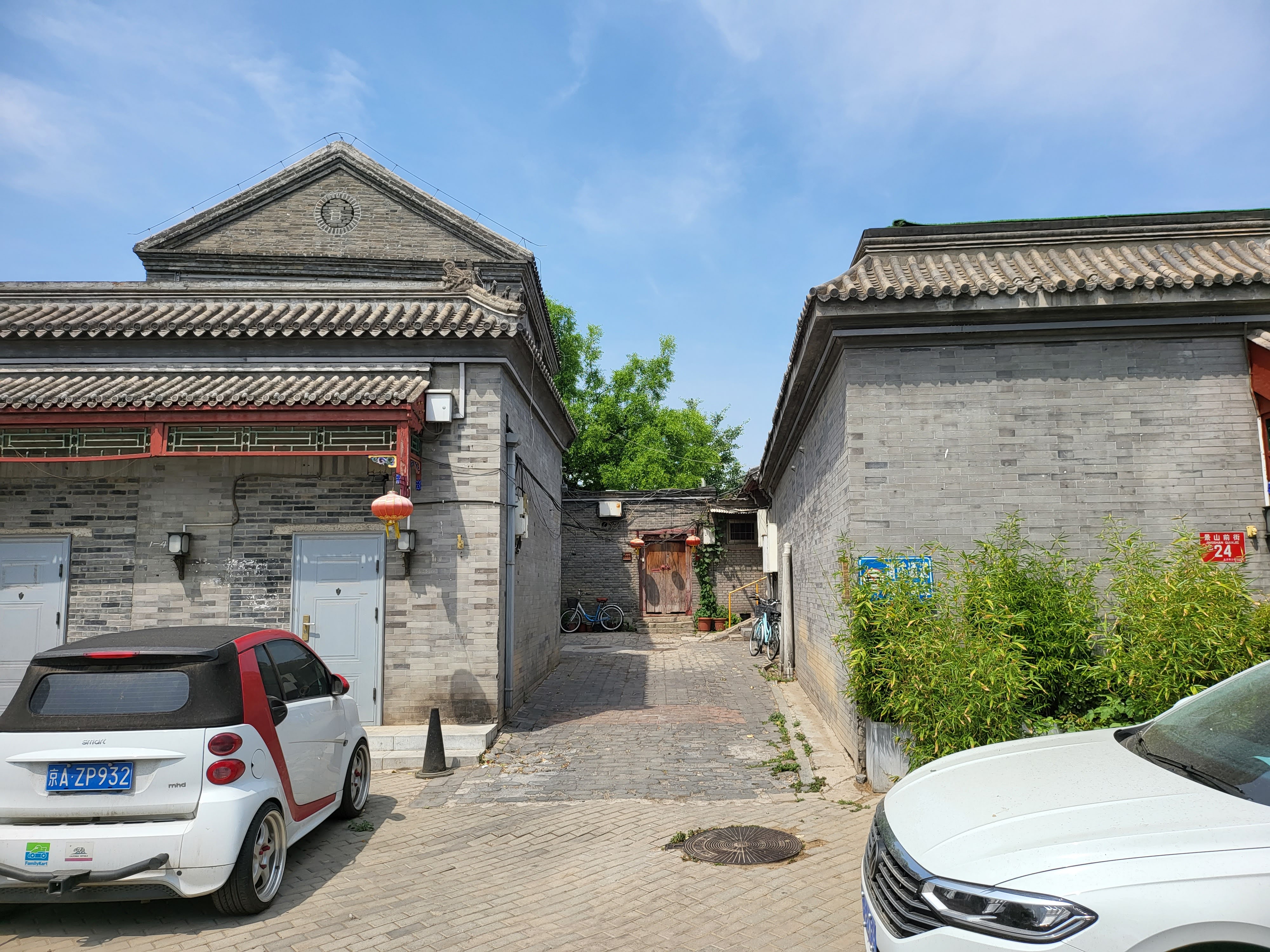
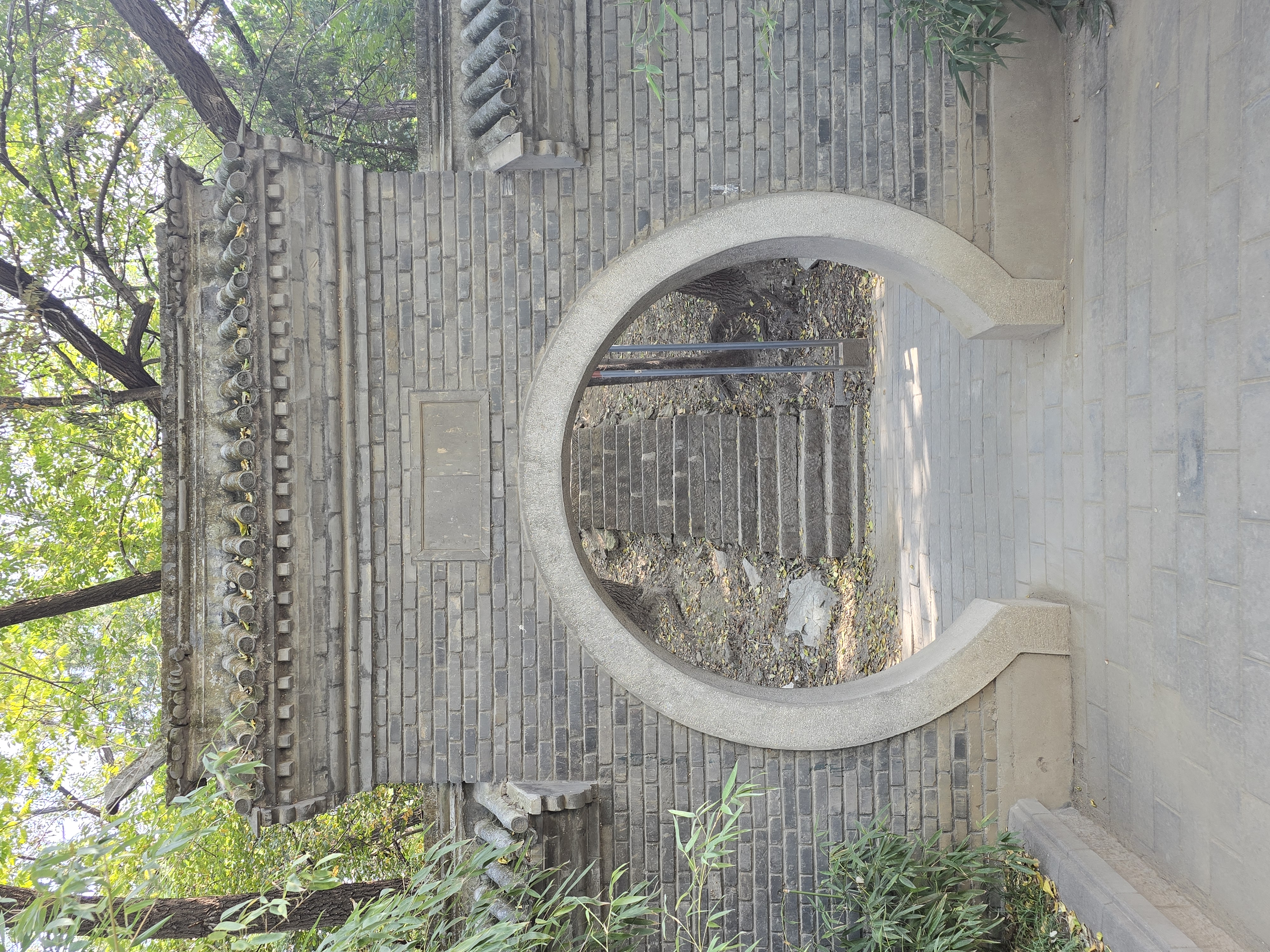
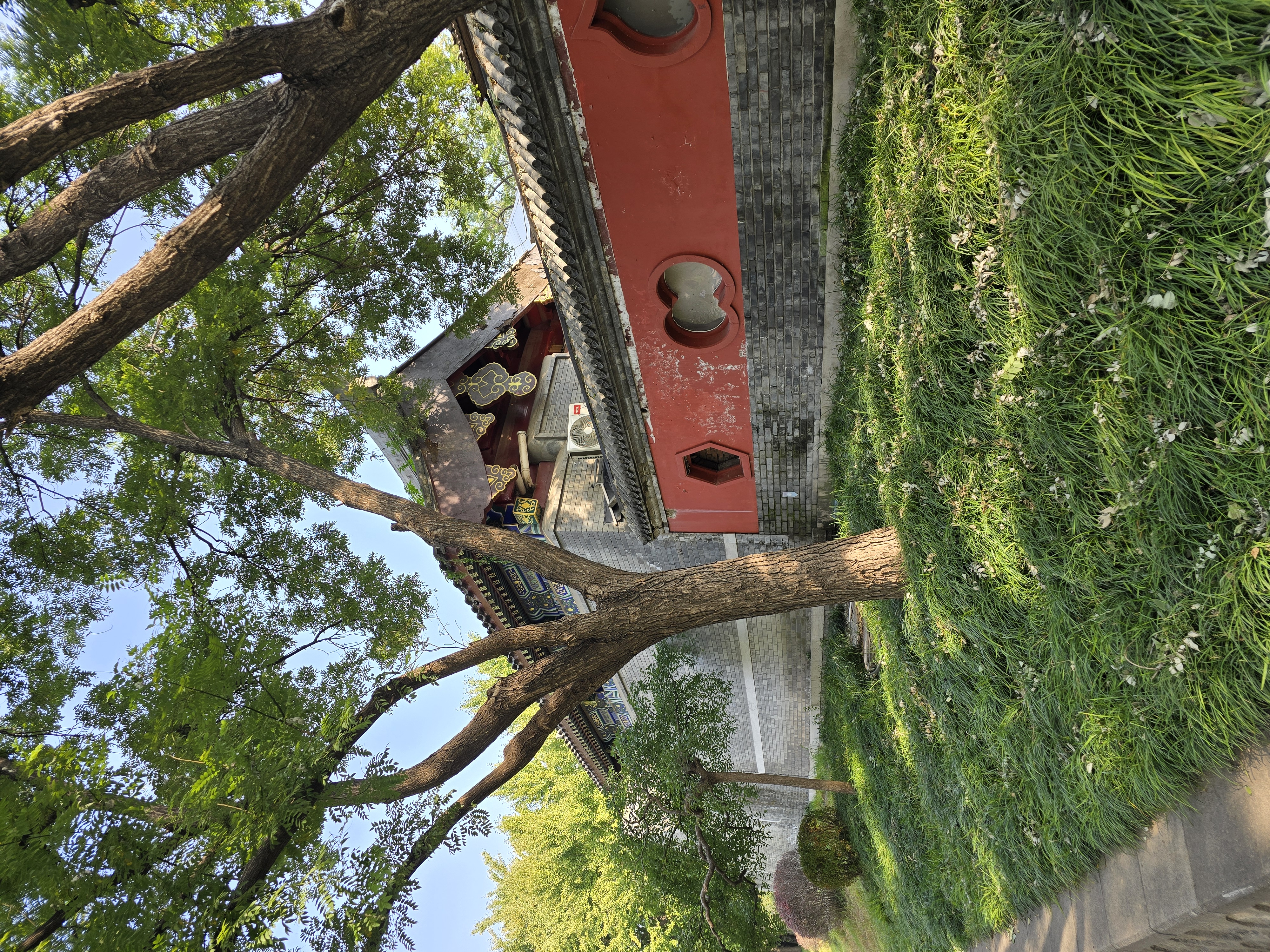
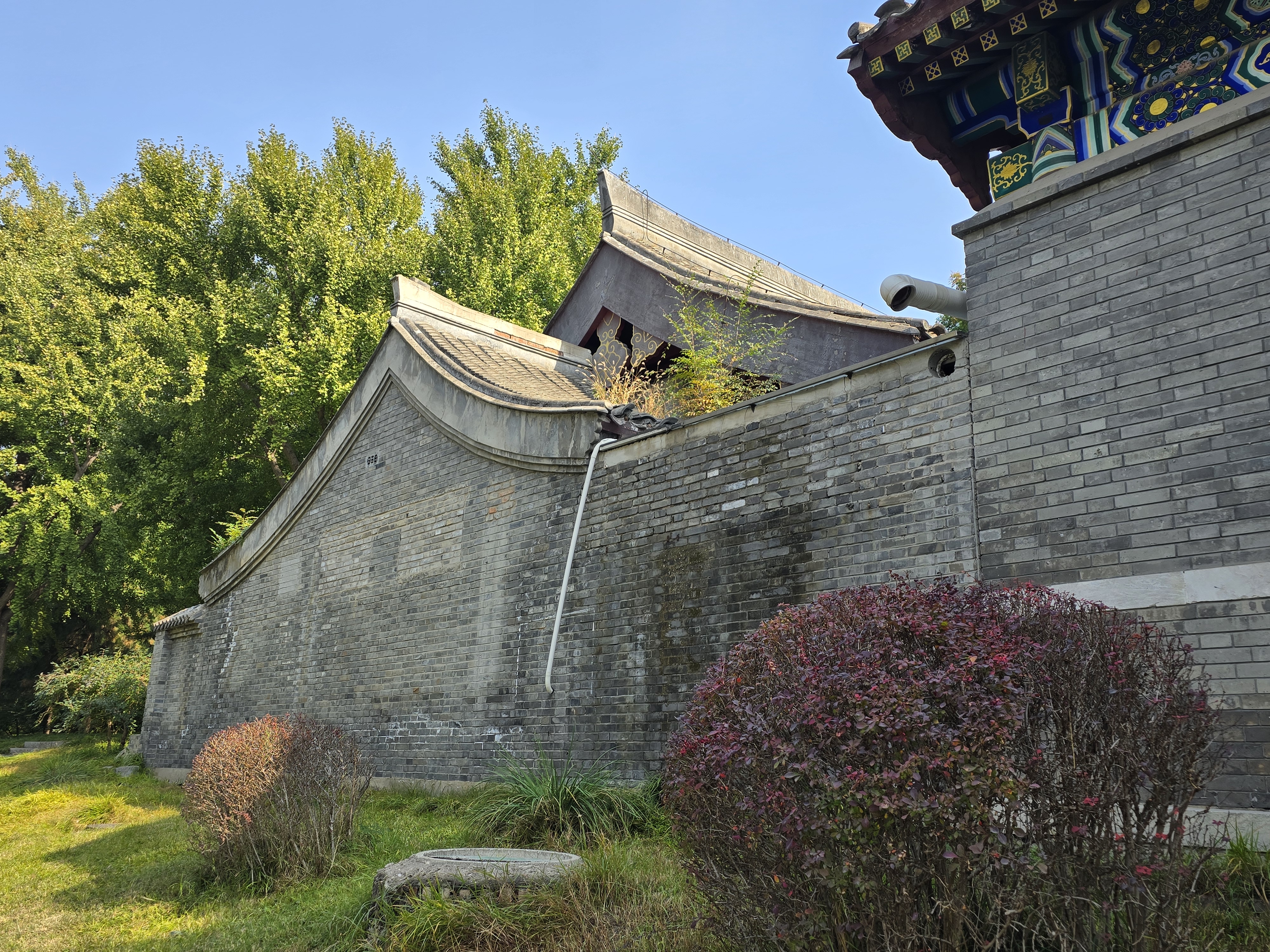
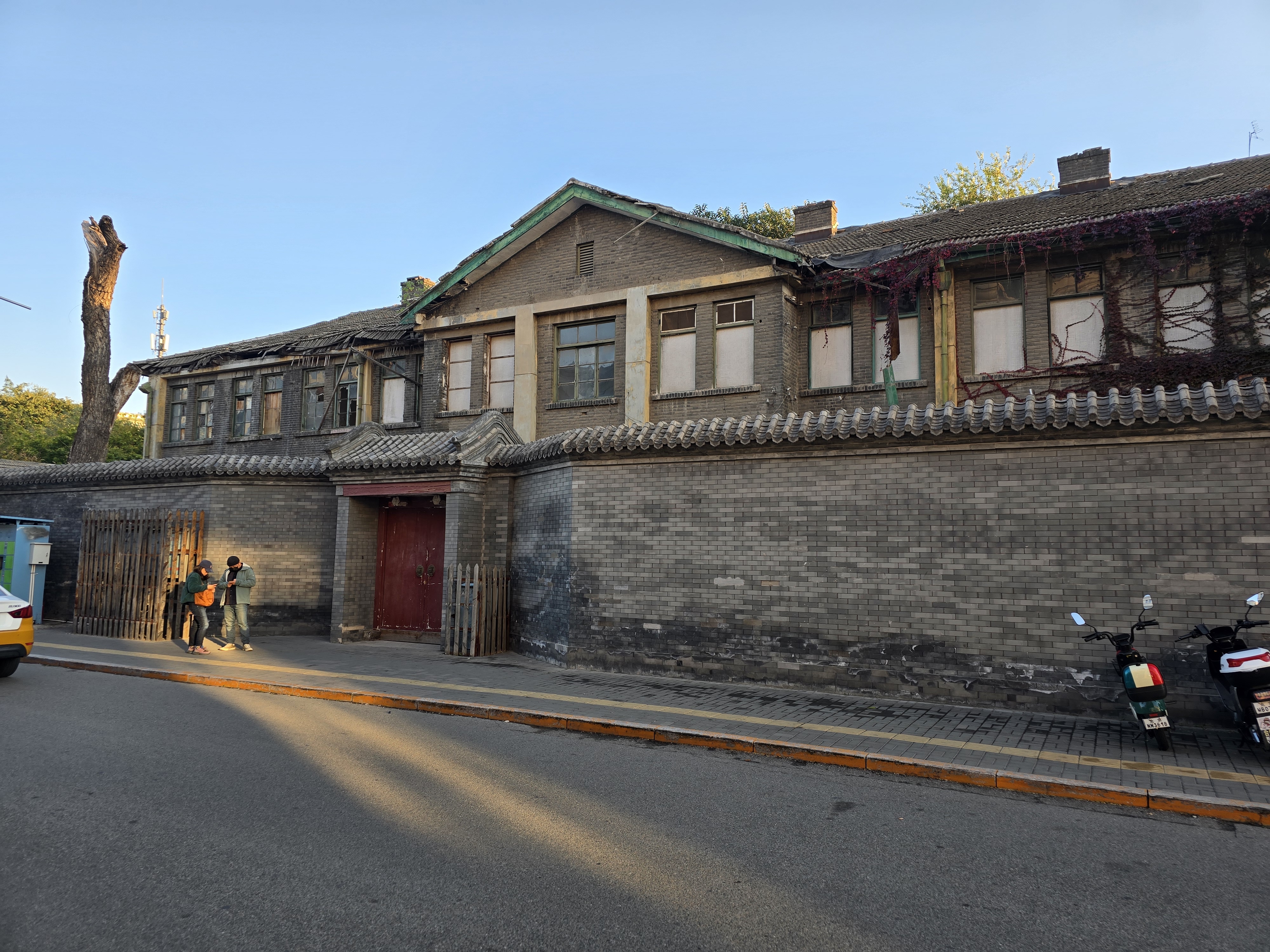
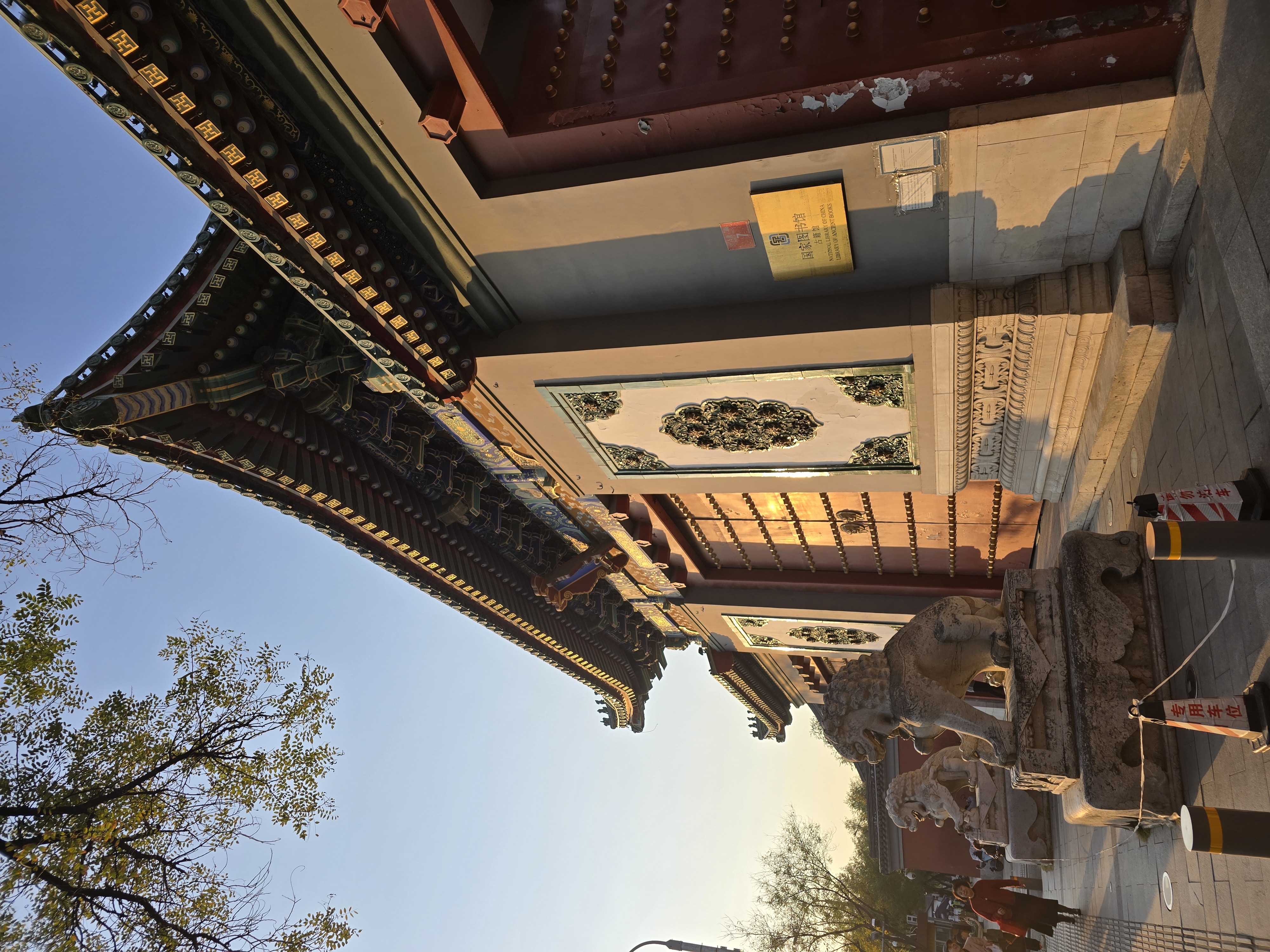
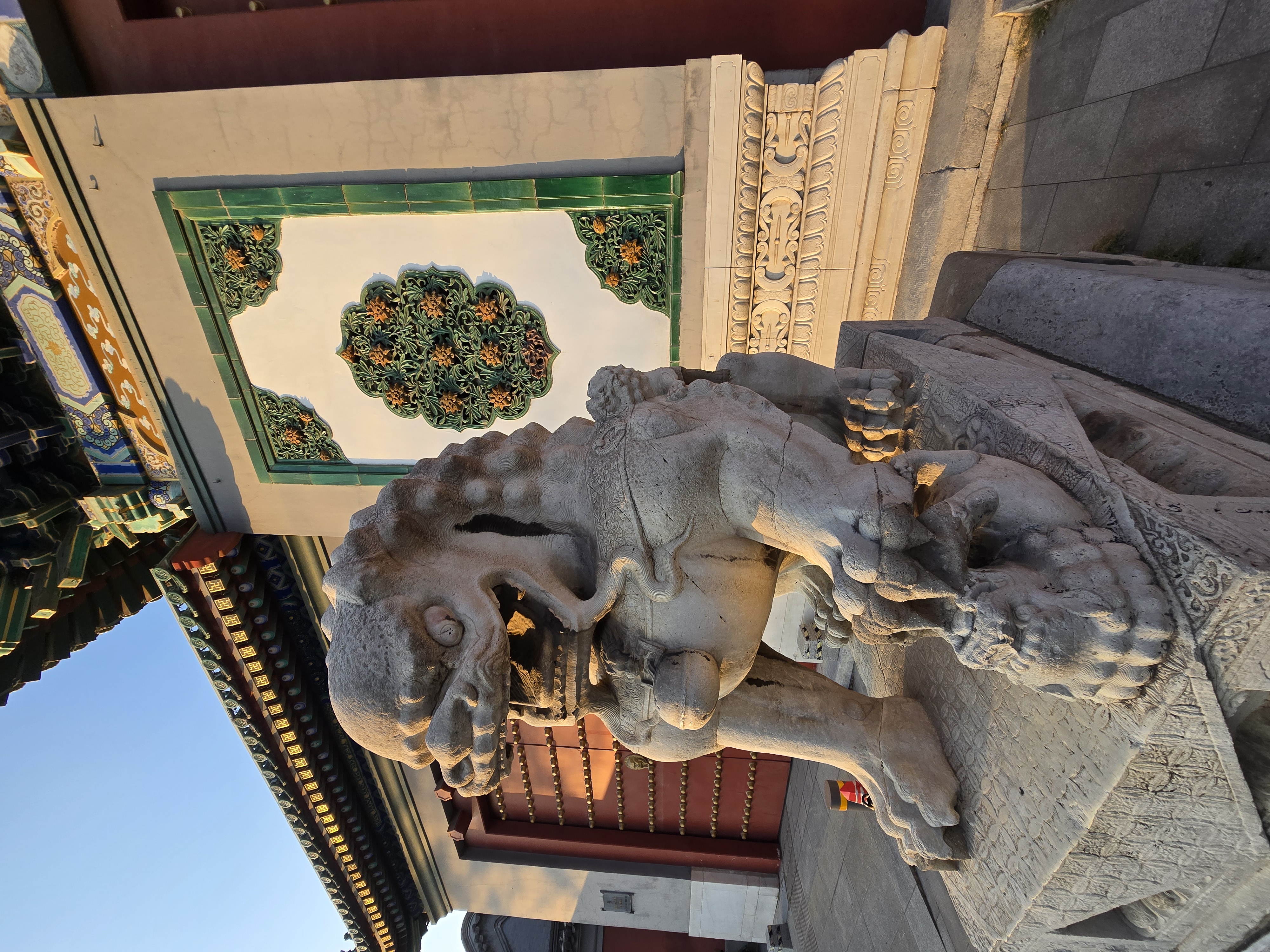
These narrow lanes thread through Beijing’s older neighborhoods, connecting courtyard homes known as siheyuan. Grey-brick walls and tiled roofs line the street, while daily life unfolds behind the doorways.
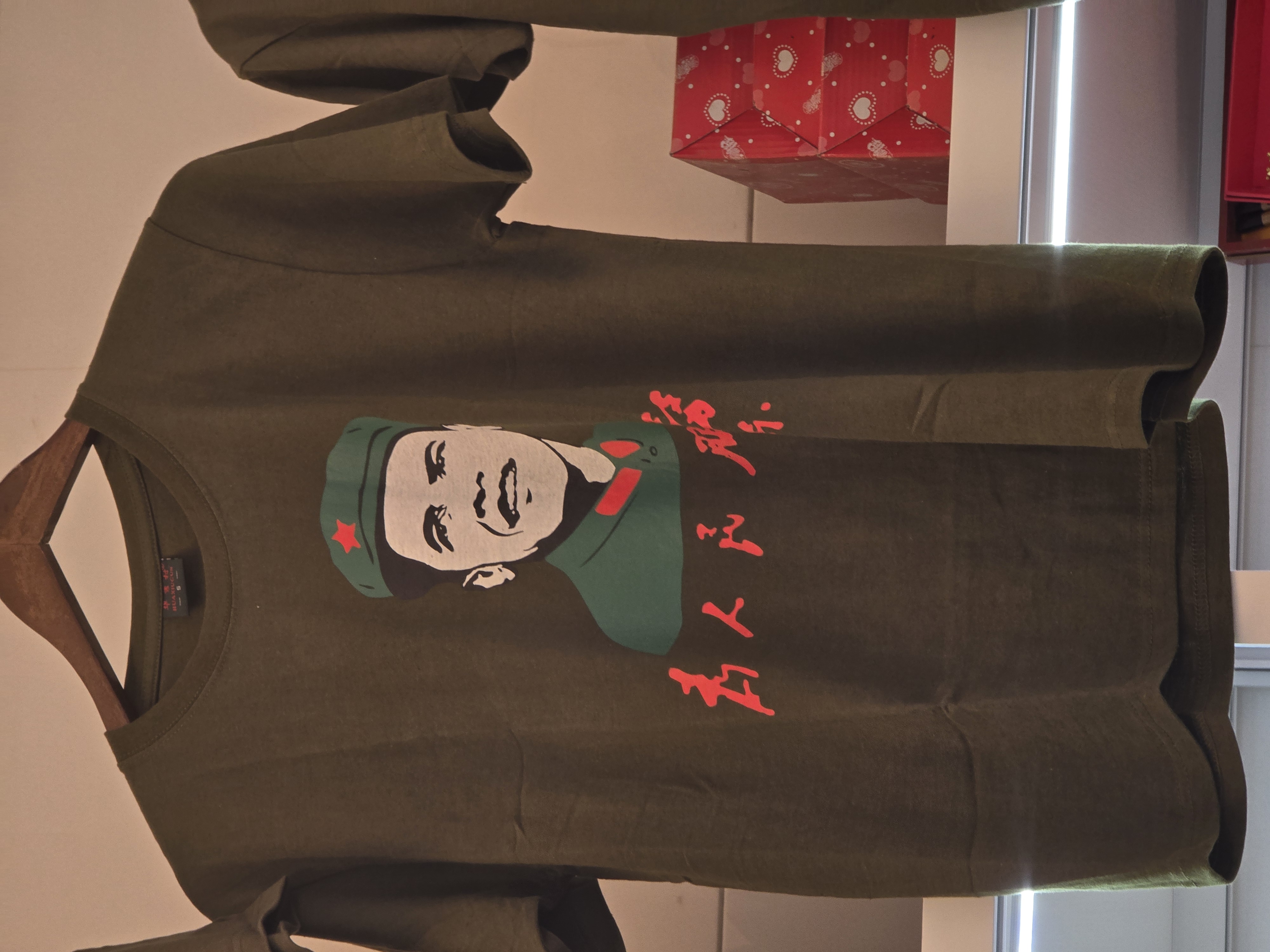
The city beyond the walls
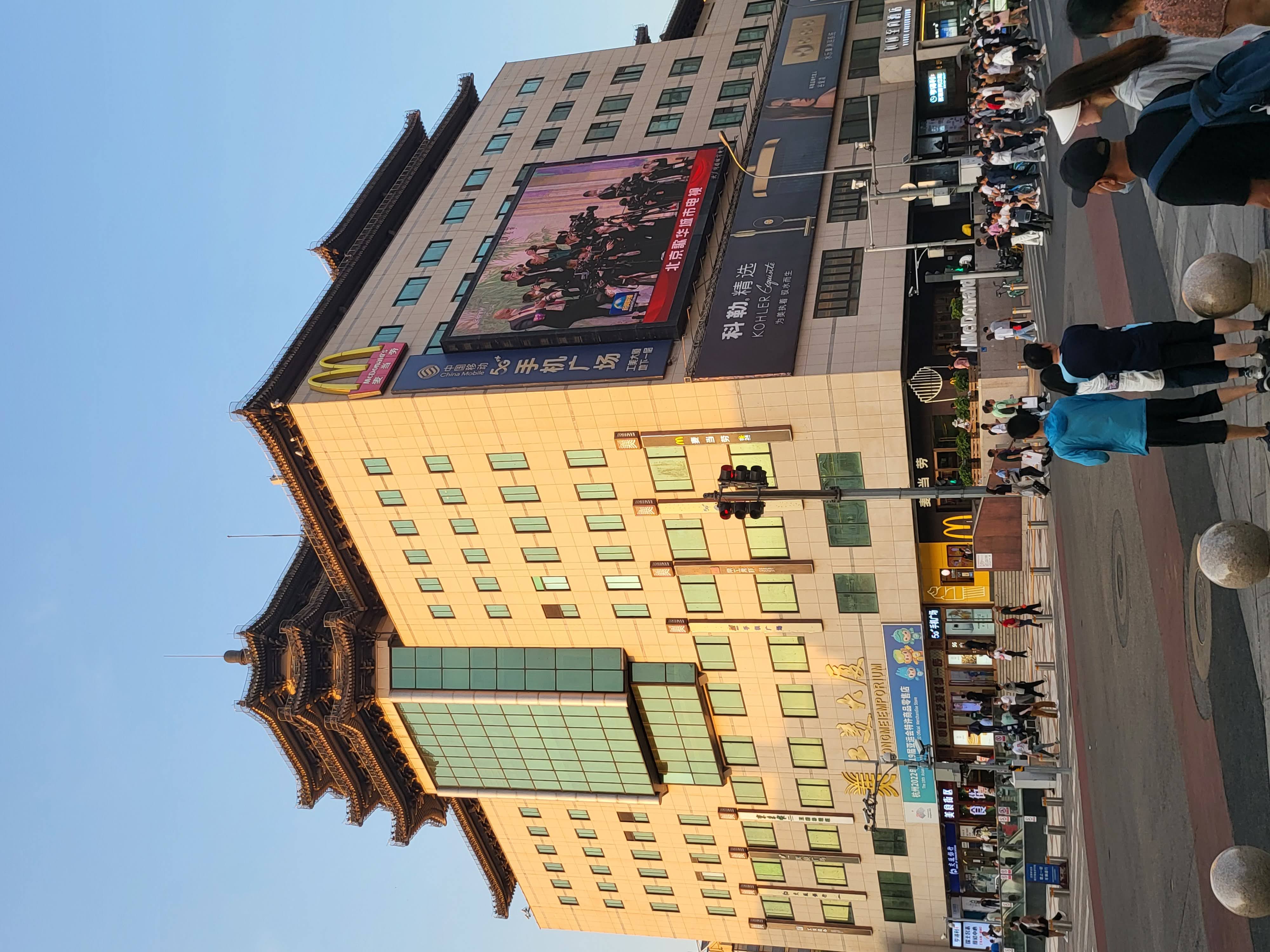
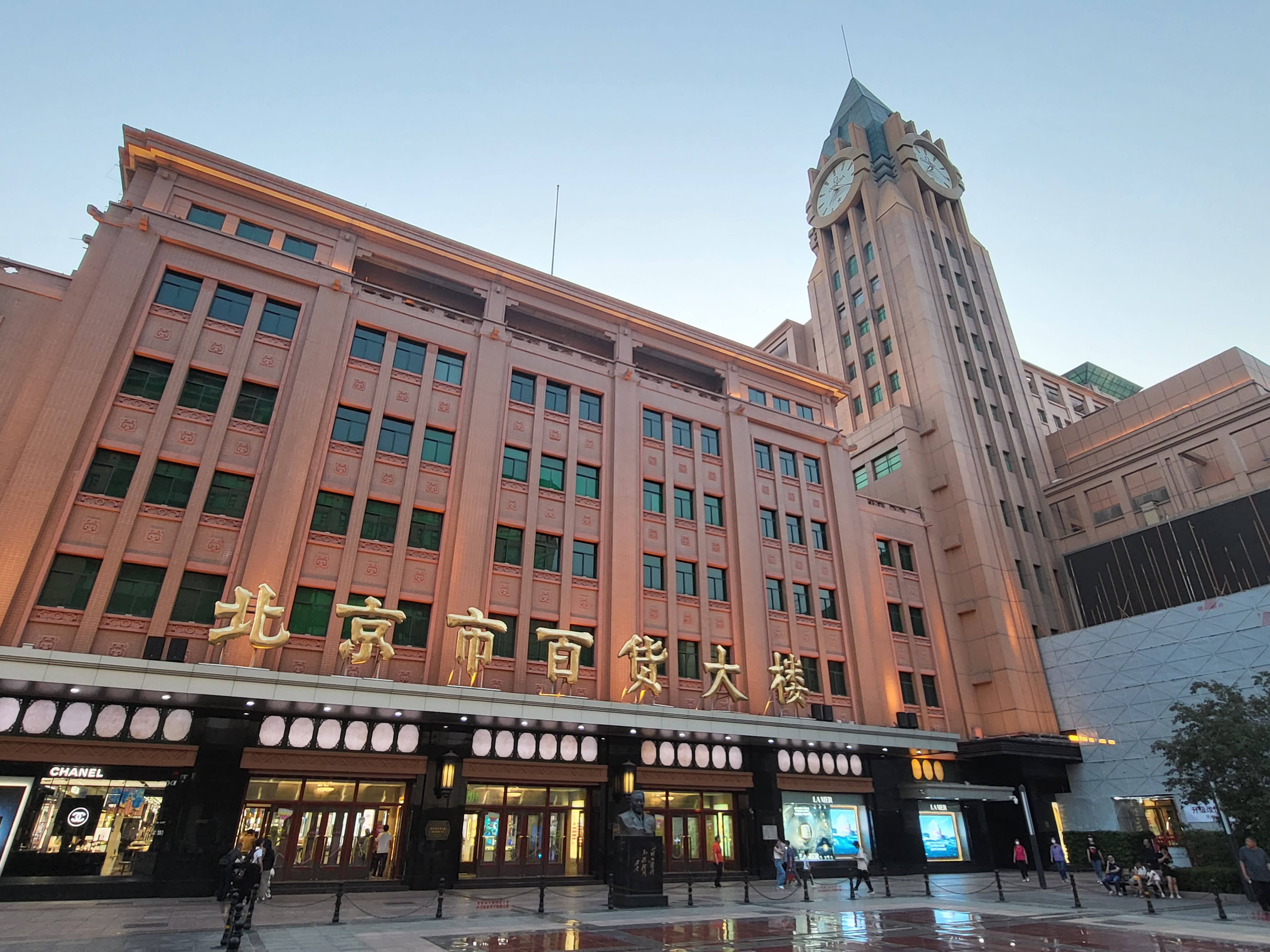
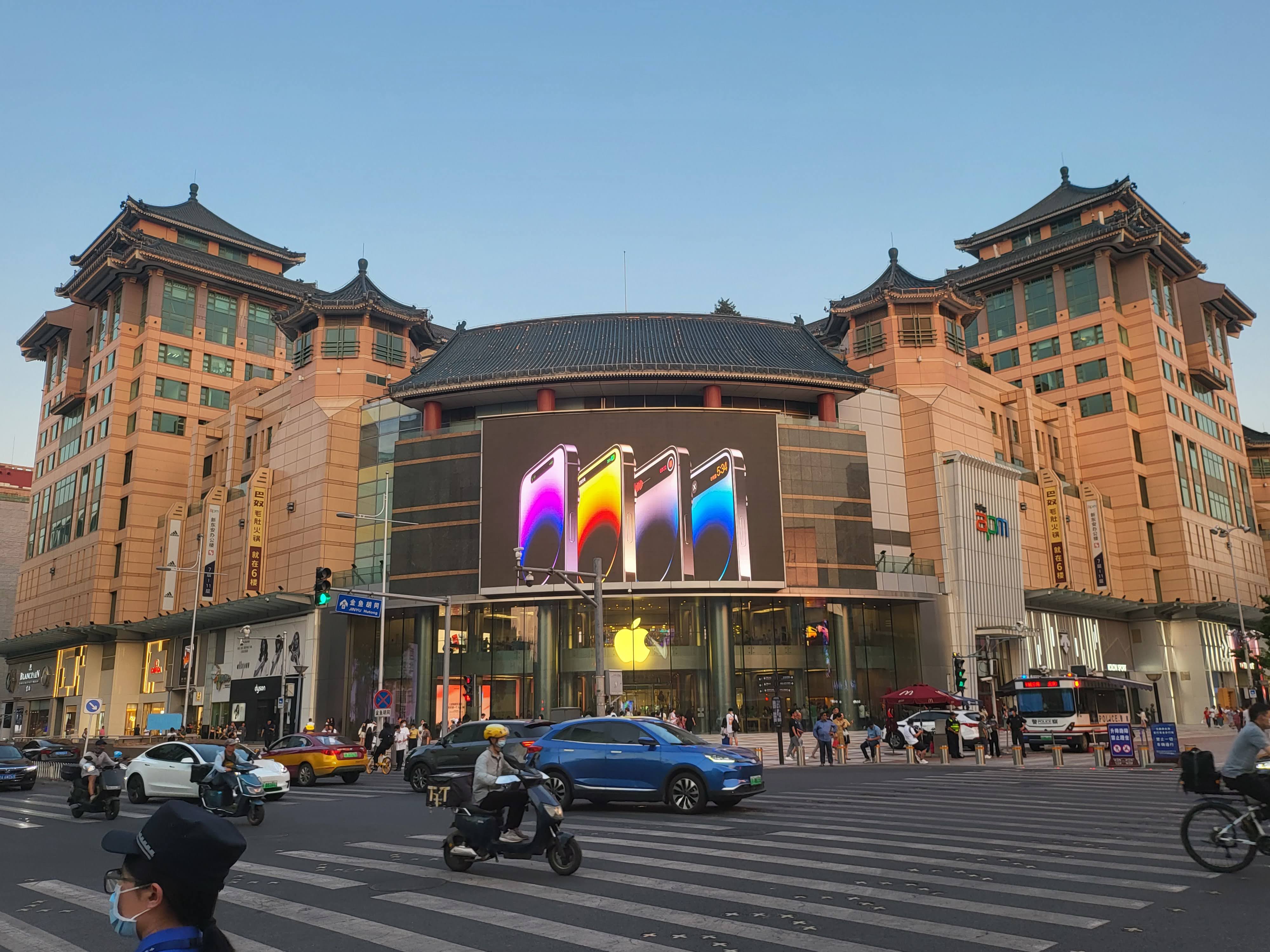
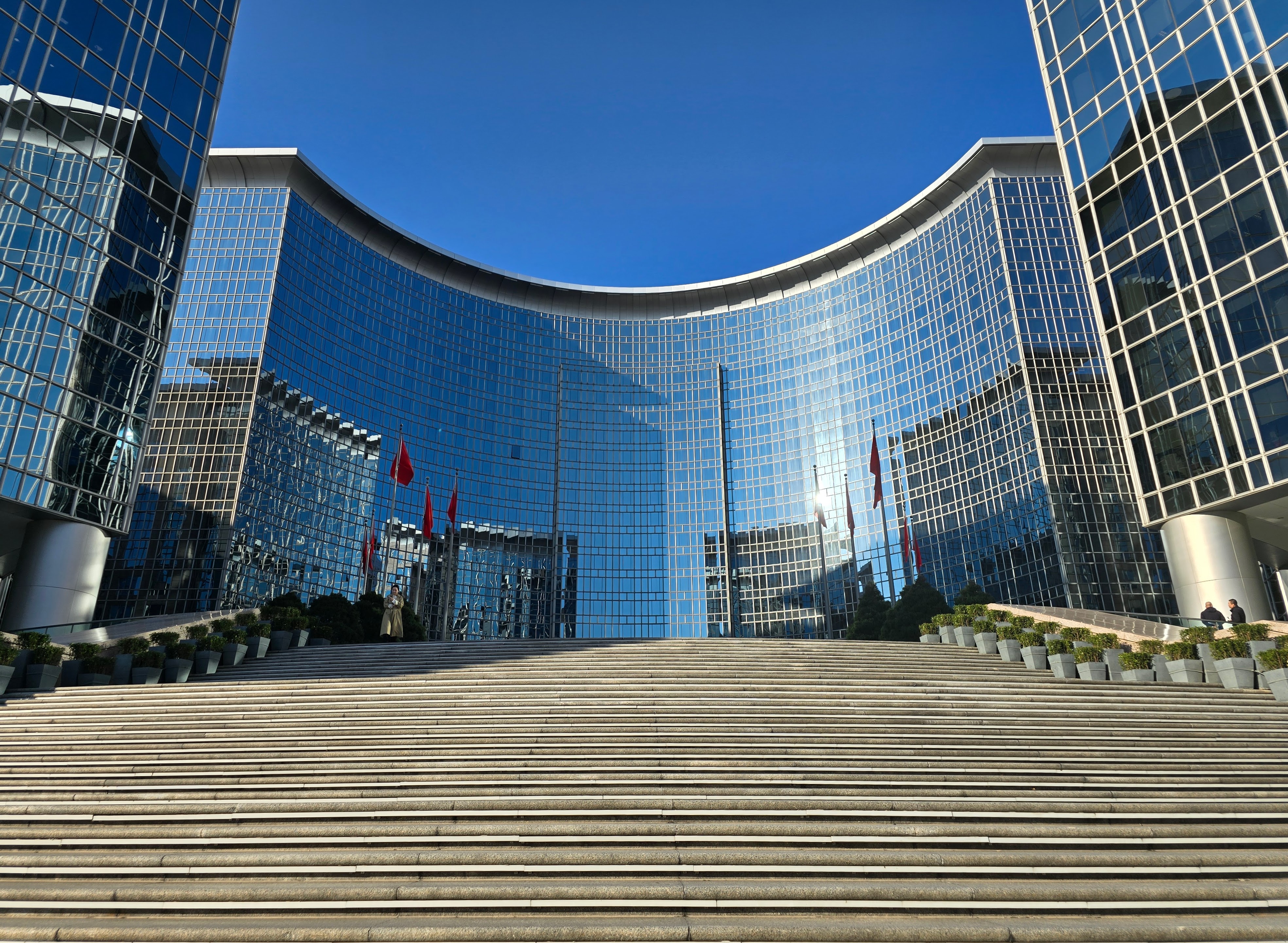
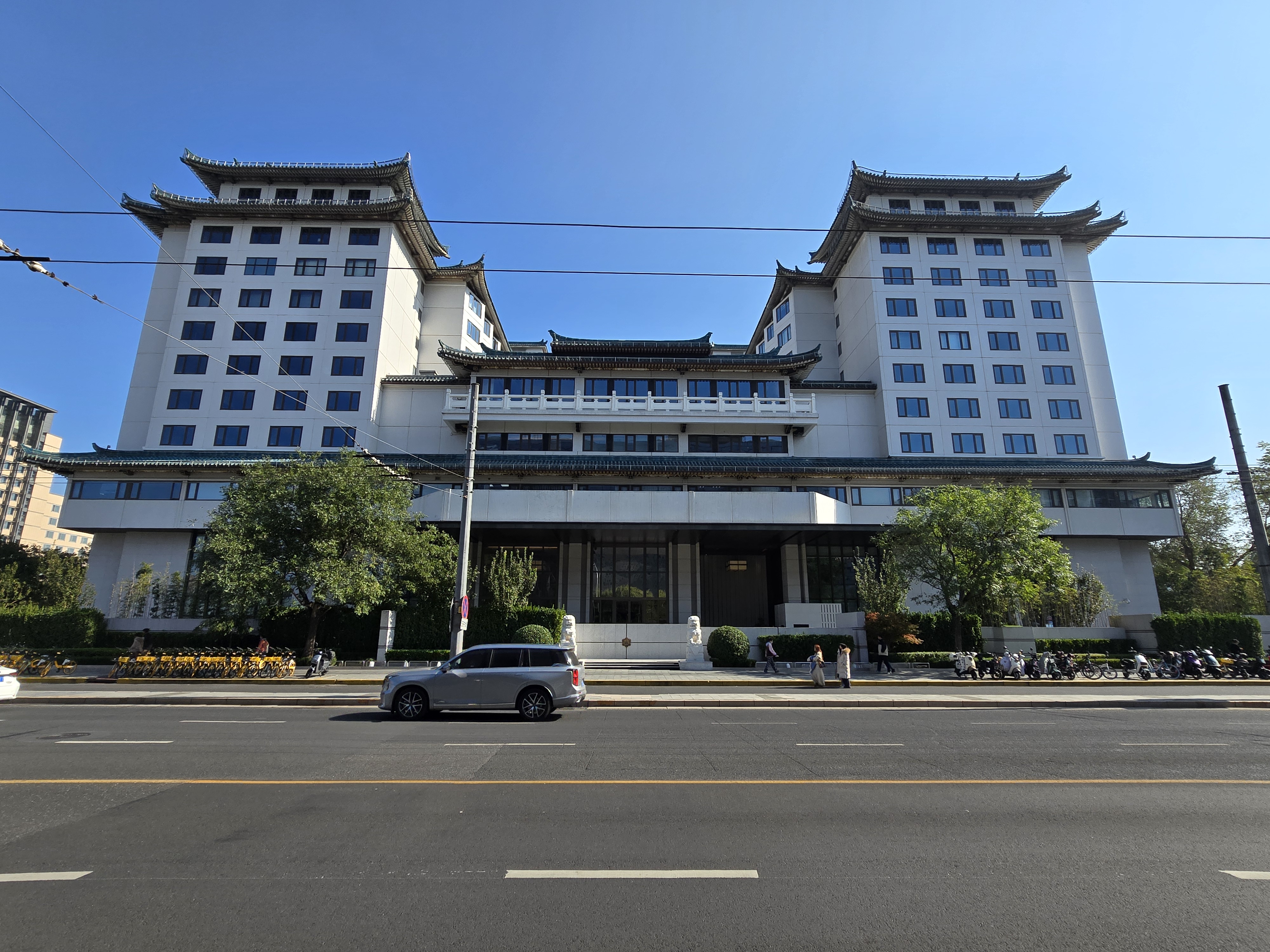
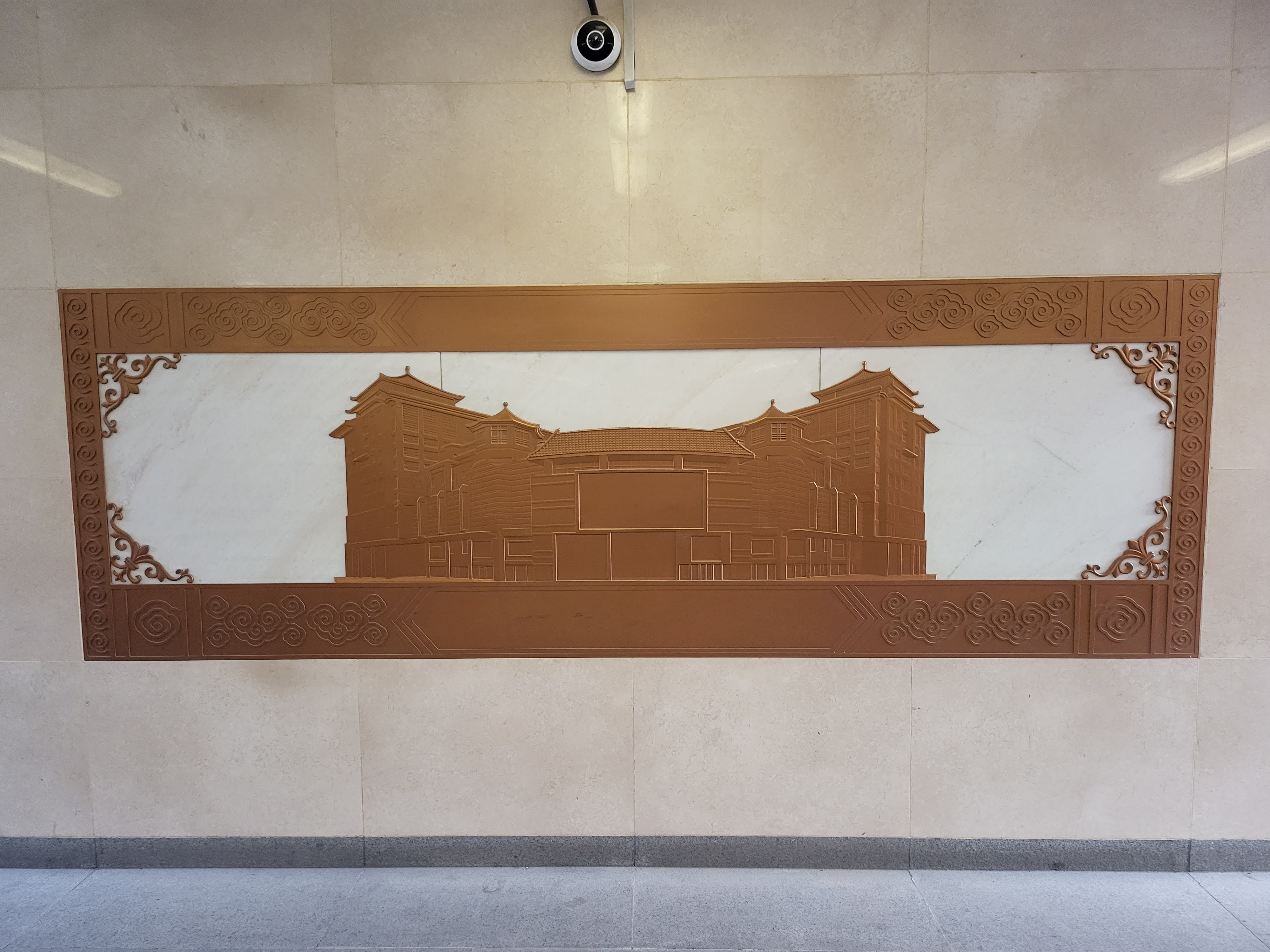
Traditional roof forms crown a large building beside the avenue. The tiled upper levels bring familiar Chinese silhouettes to a modern commercial frontage.
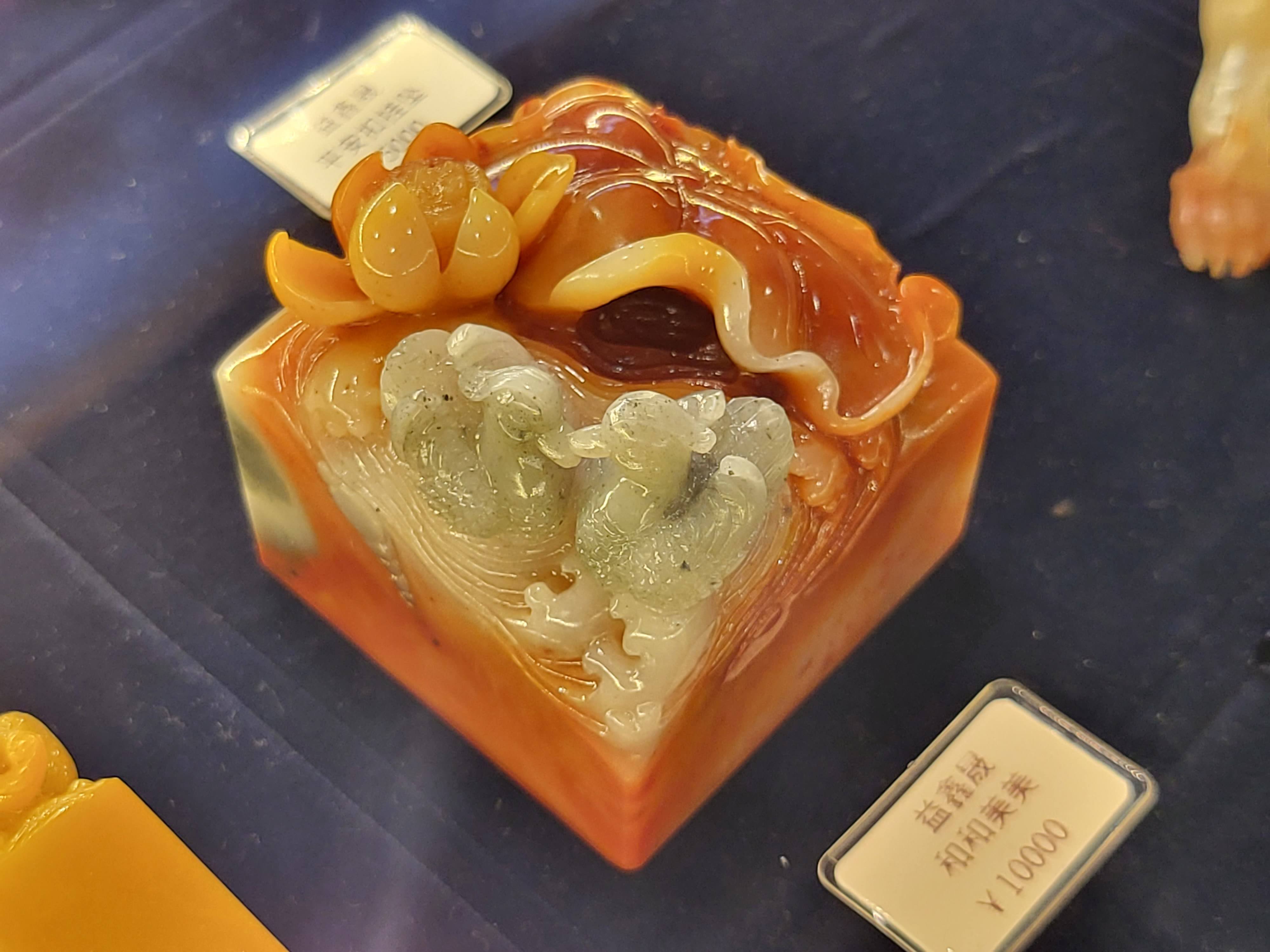


Carvings and curiosities
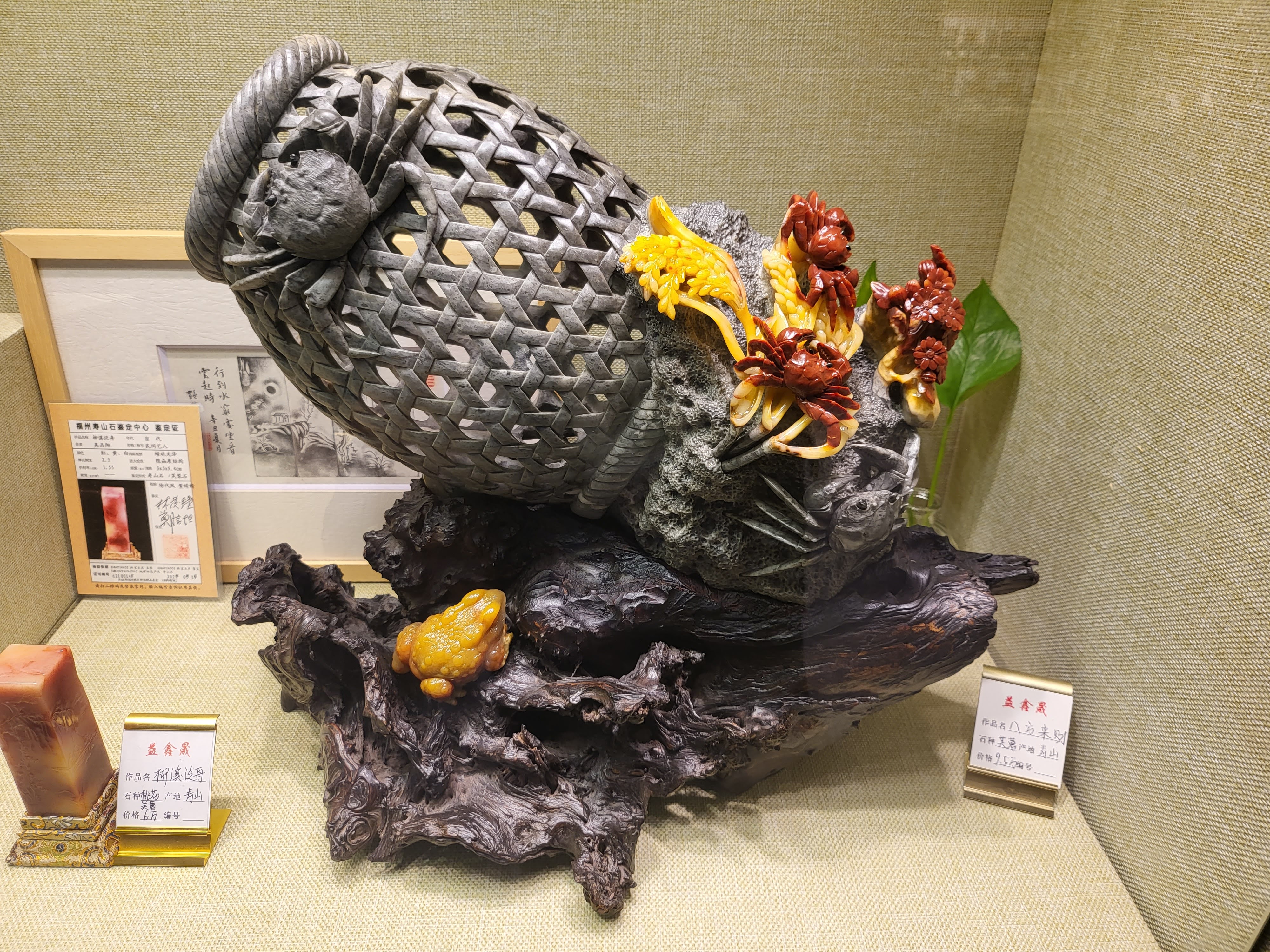
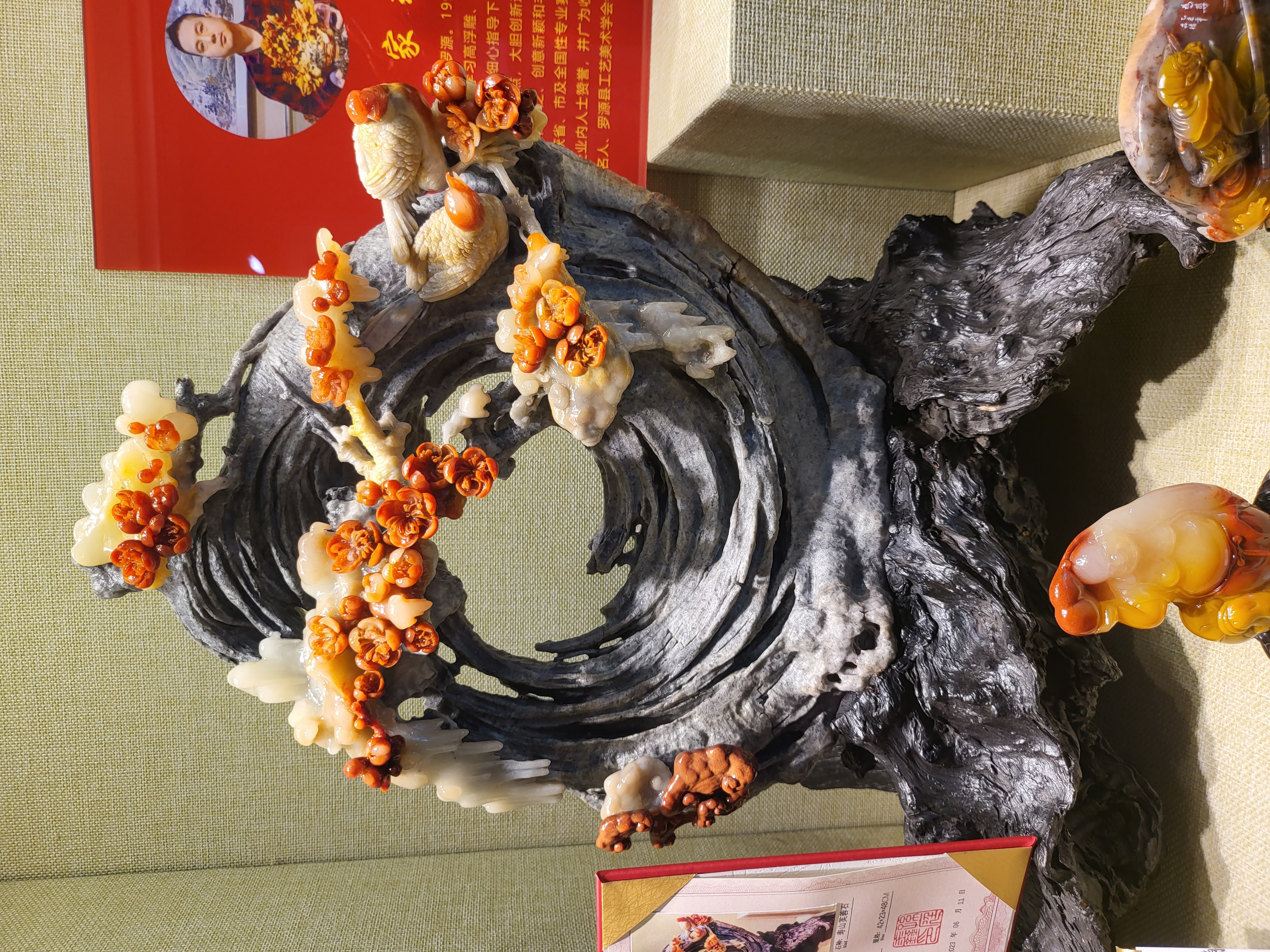
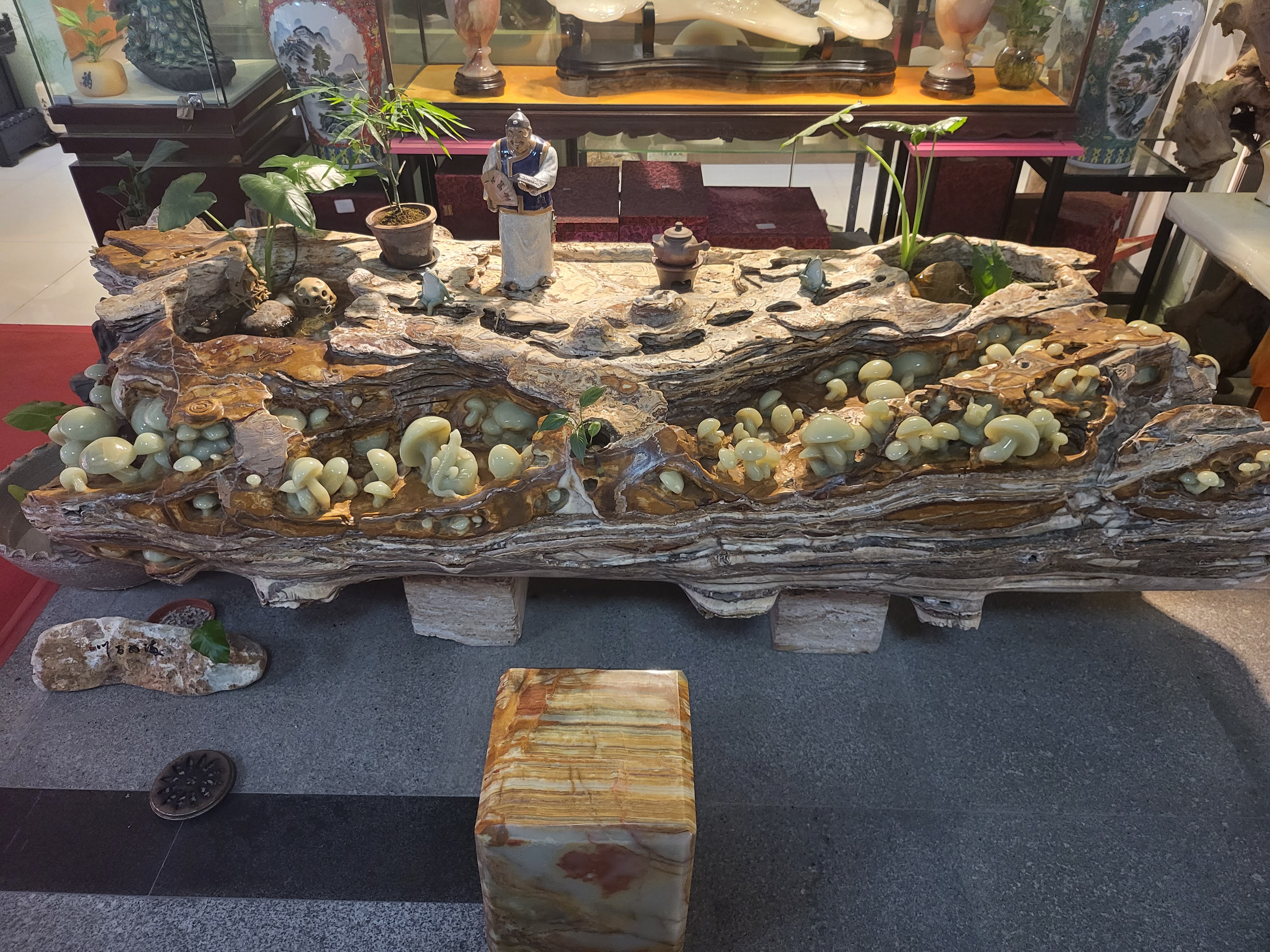
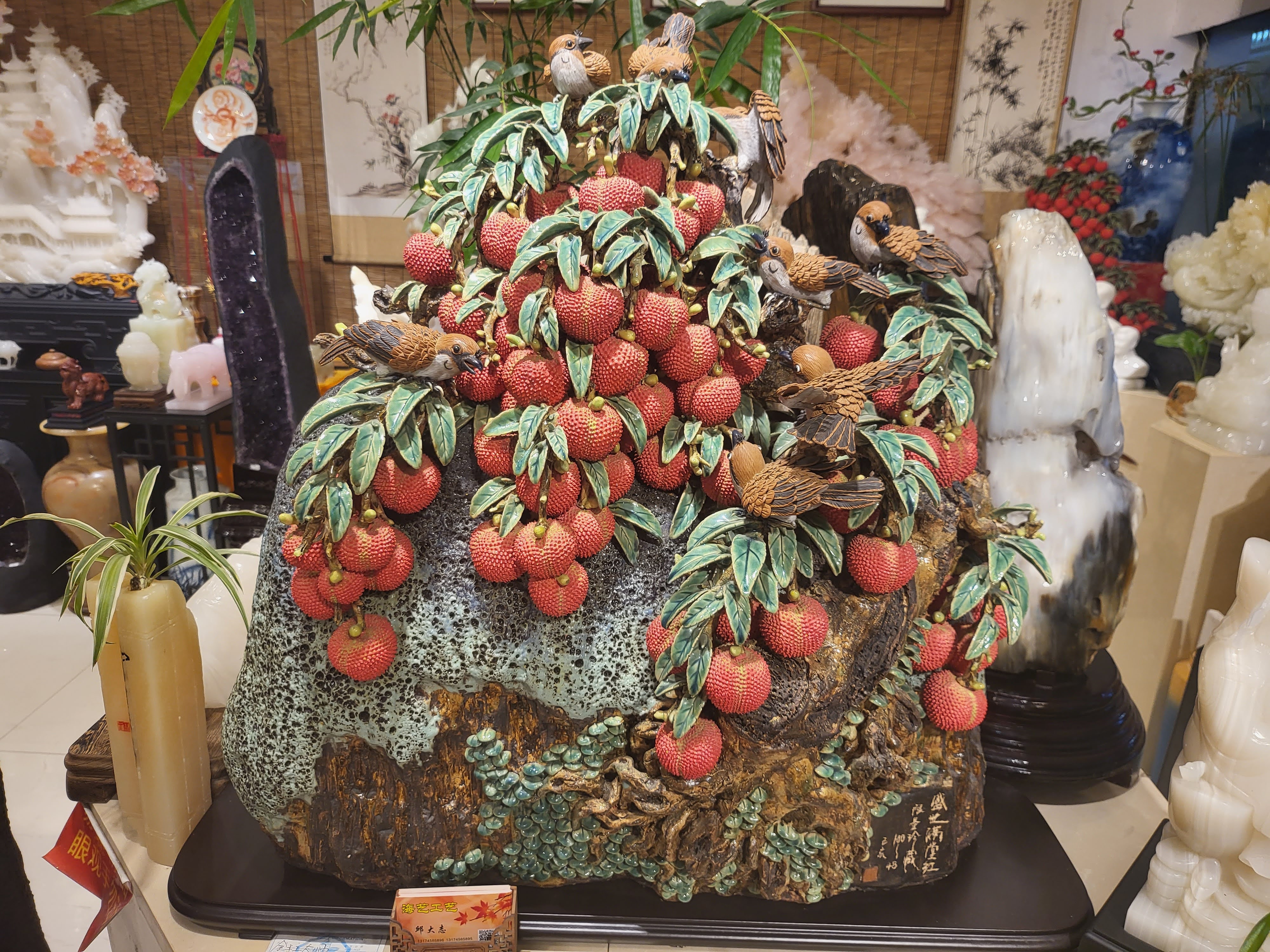
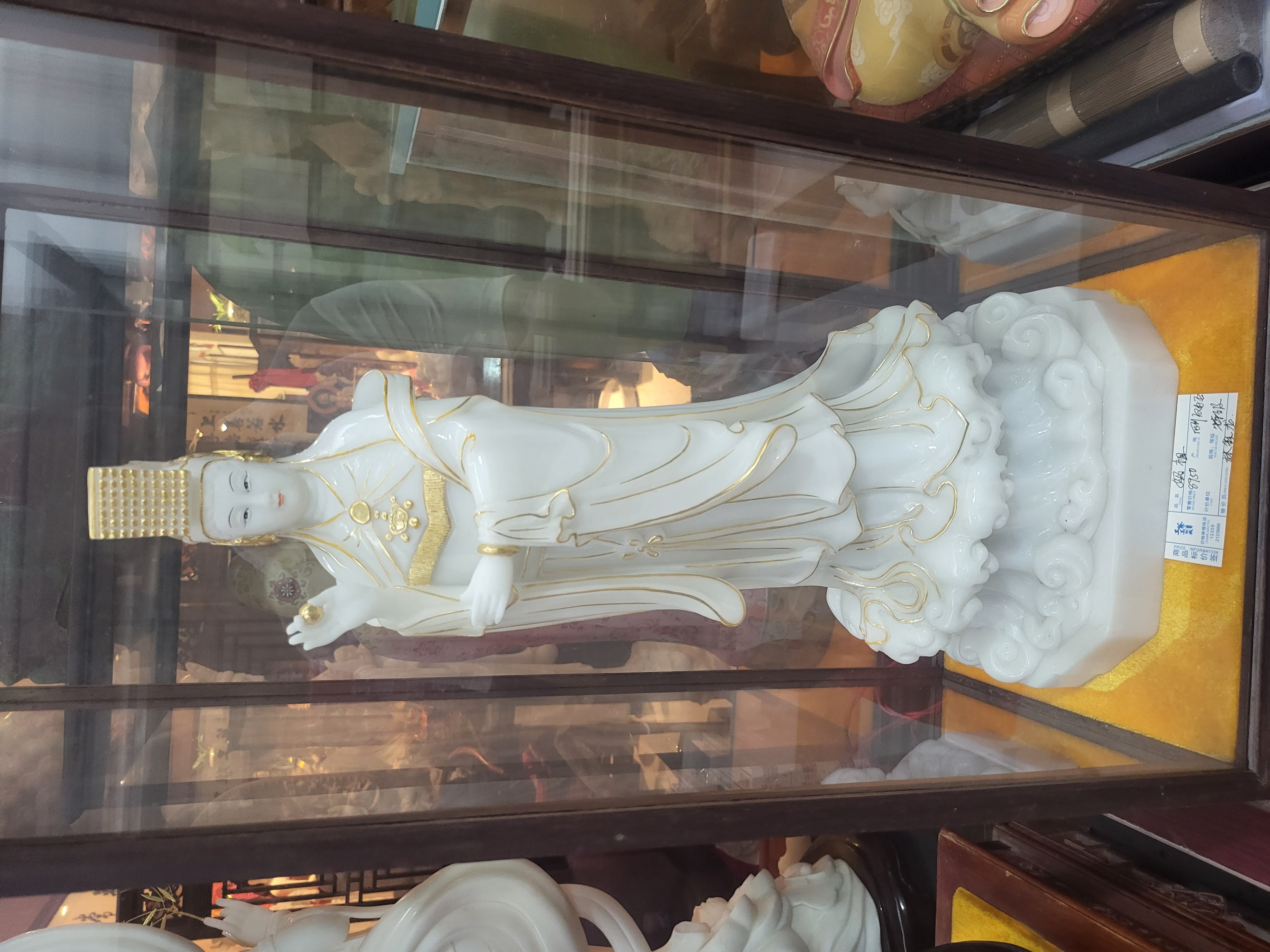
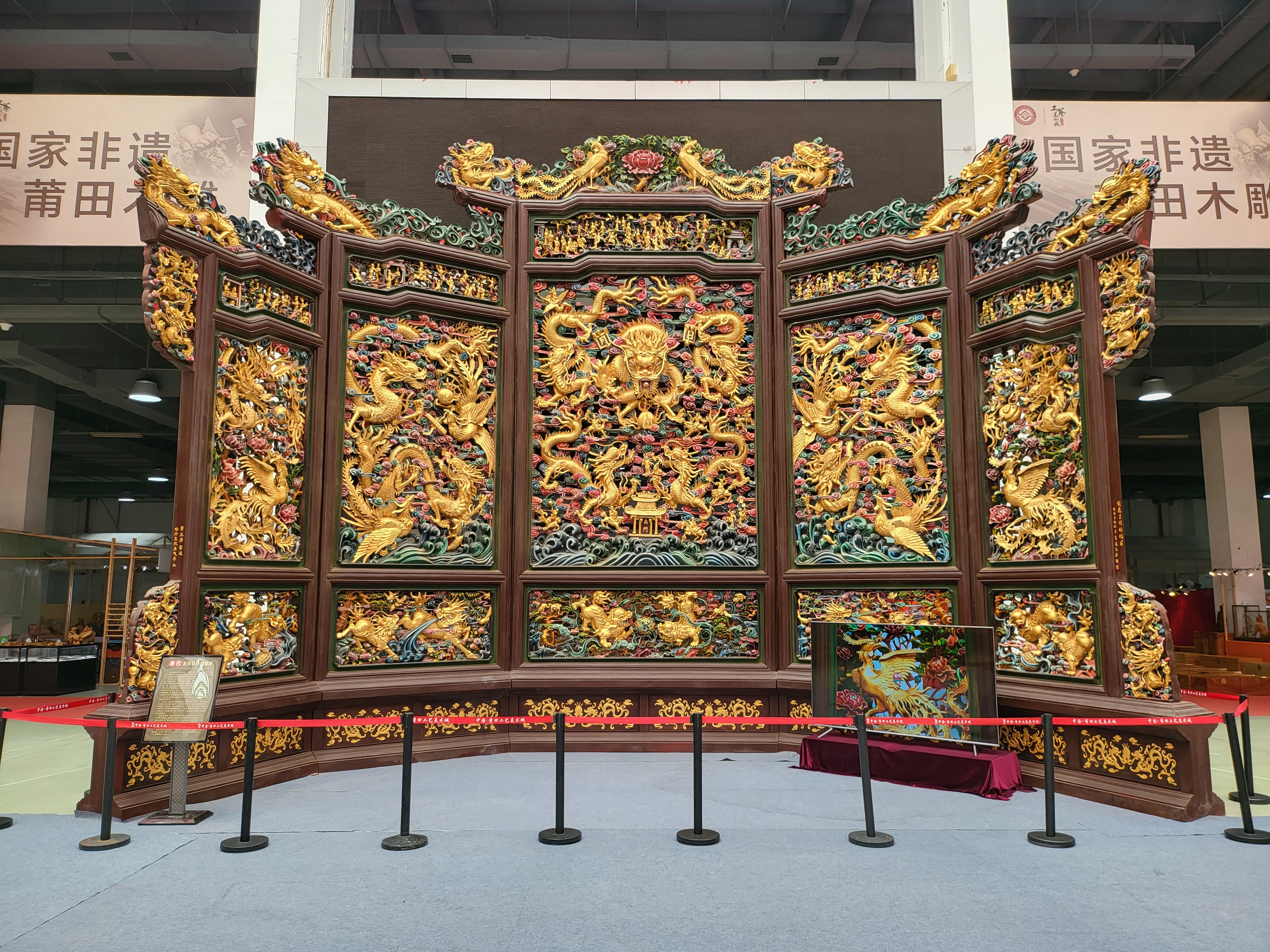
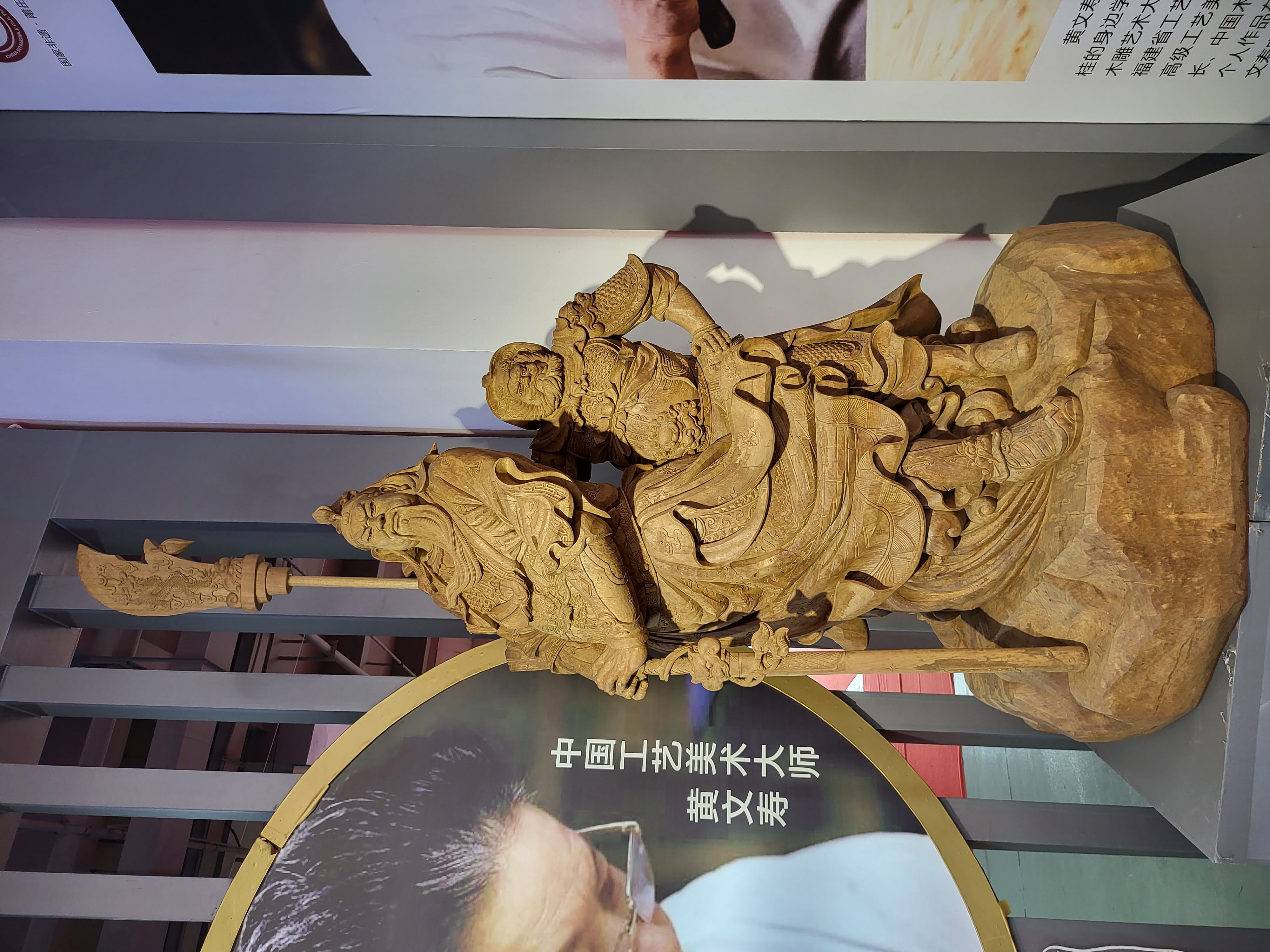
A large ornamental vessel surrounded by carved birds and flowers. Pierced details separate the foliage from the body of the sculpture, creating open spaces within the dense design.
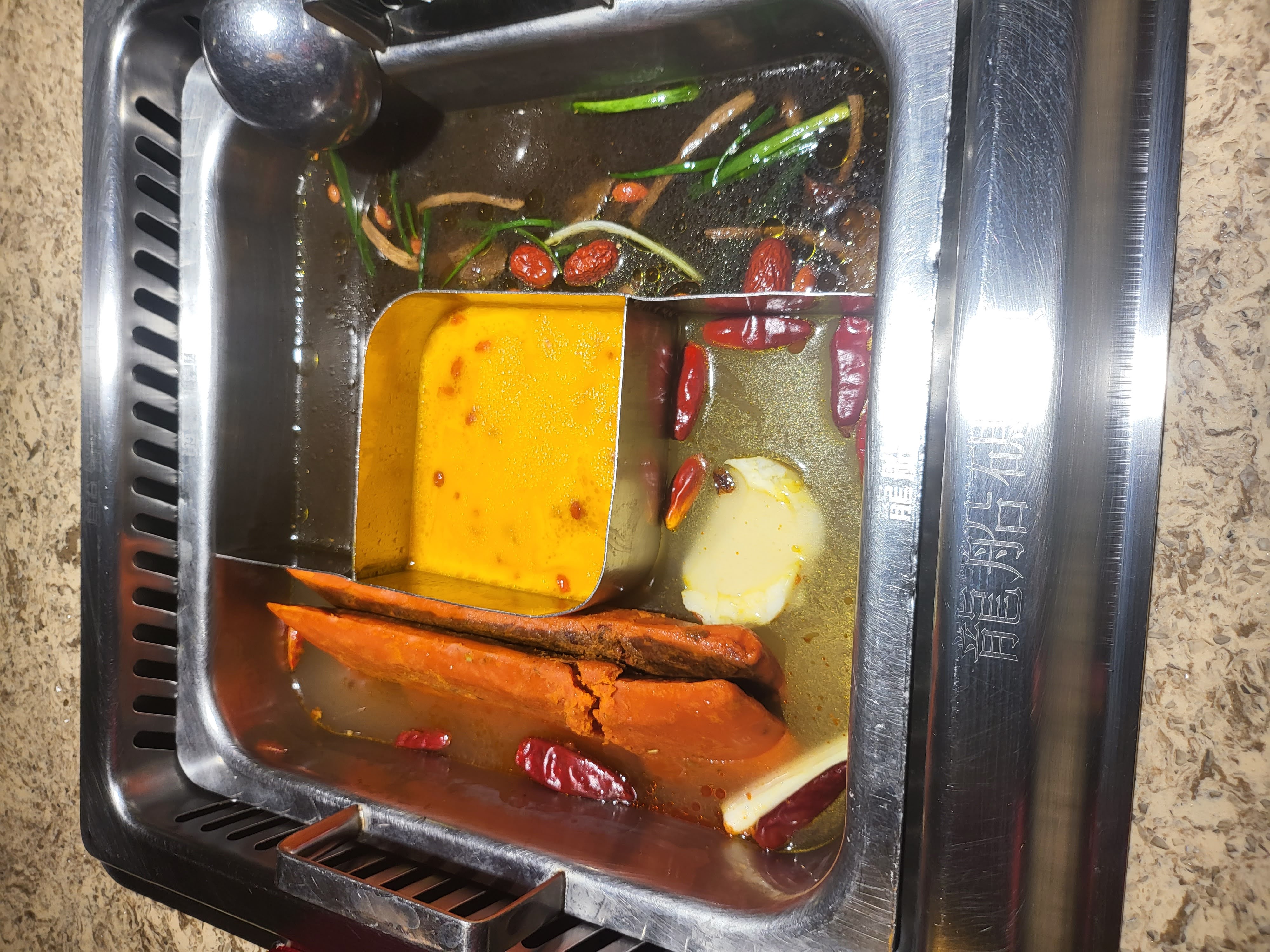
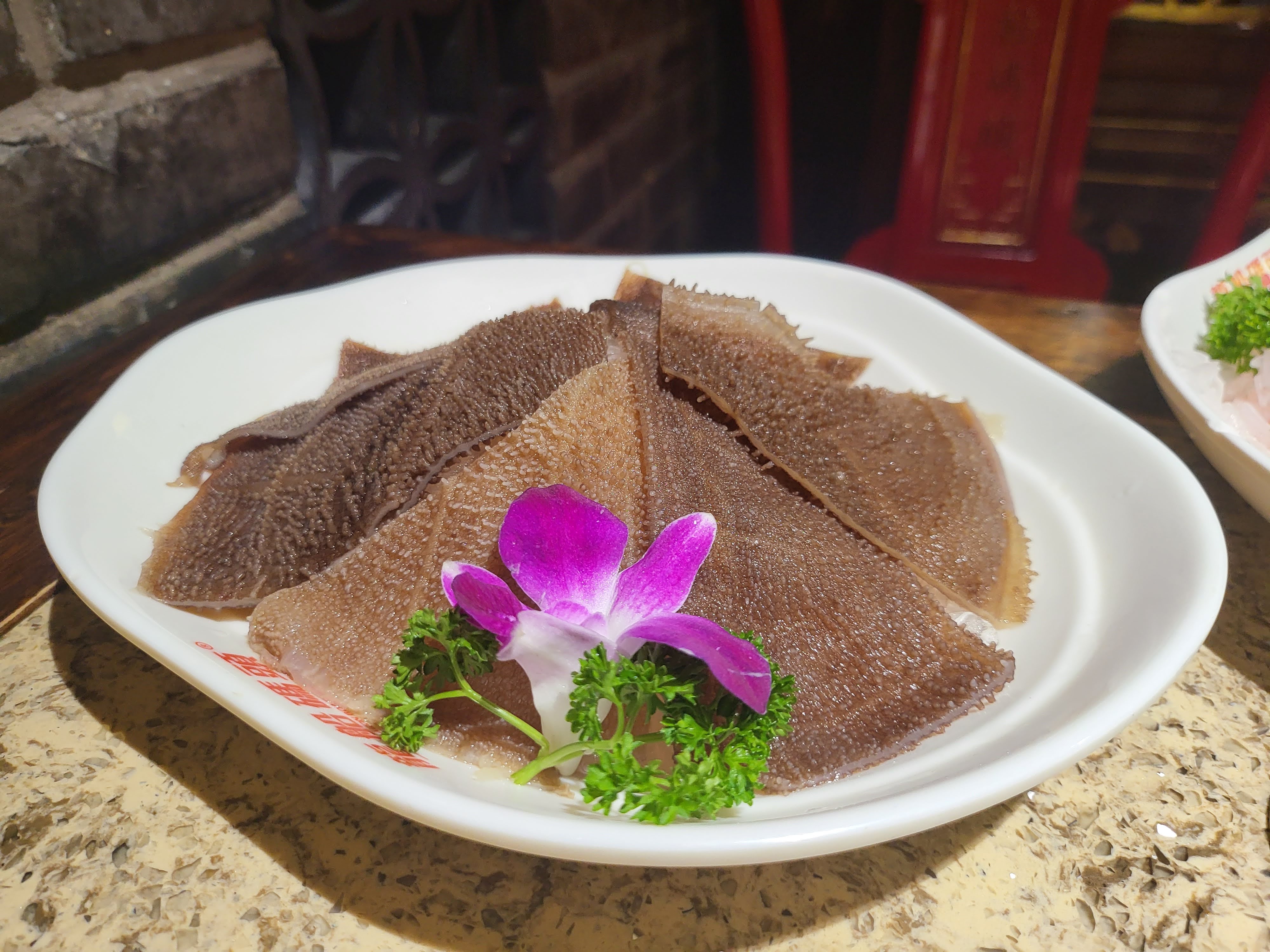
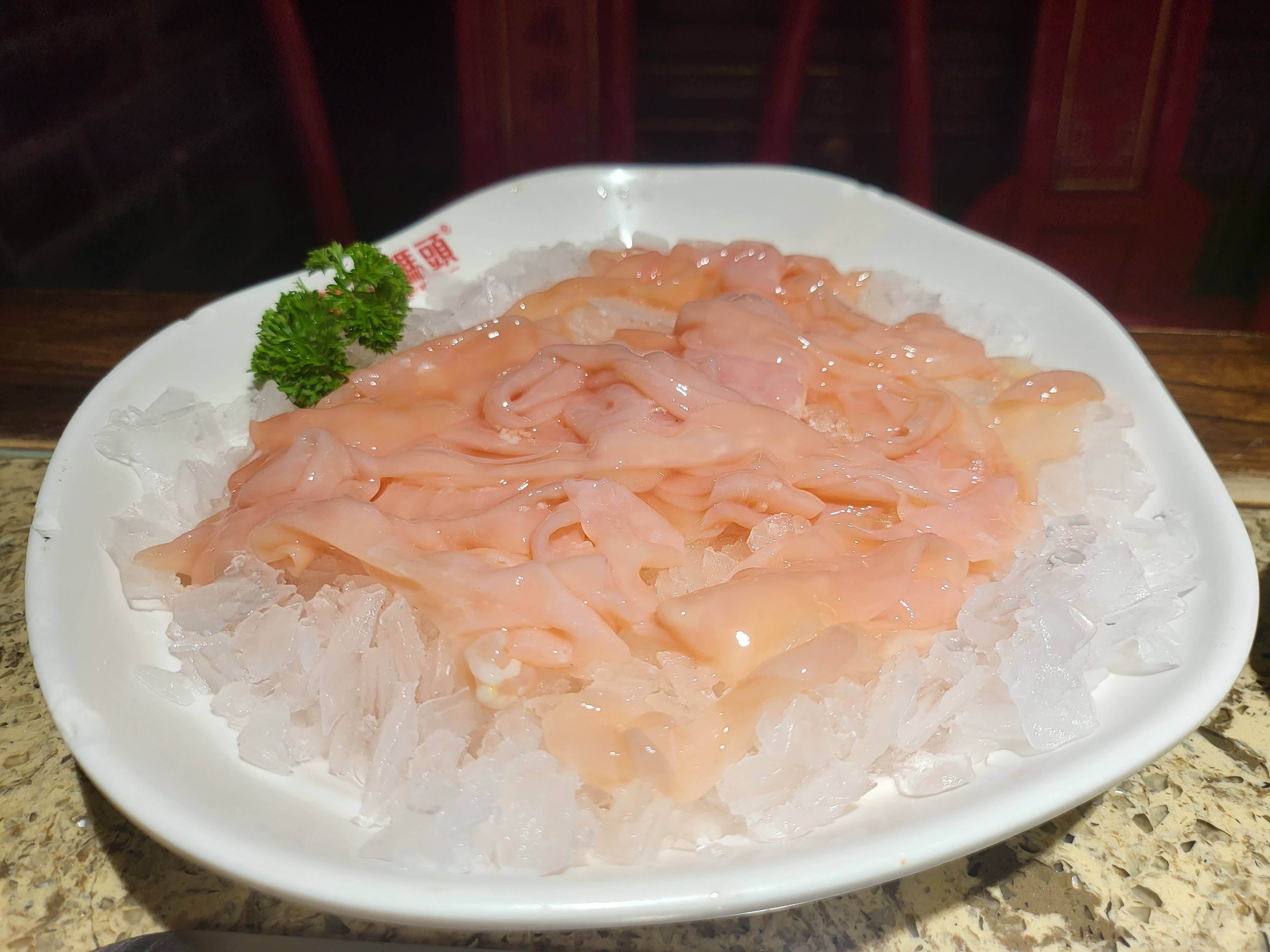

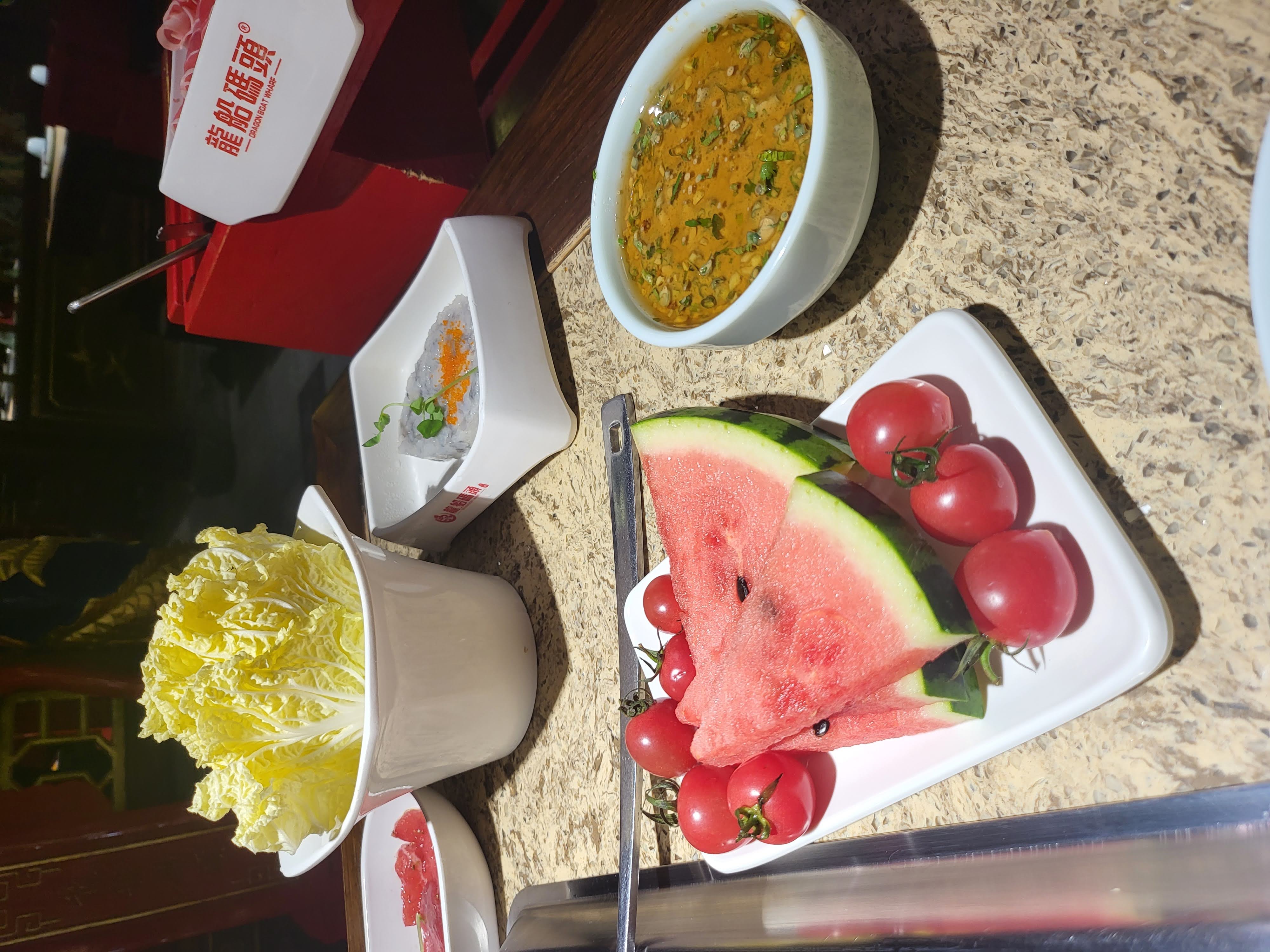

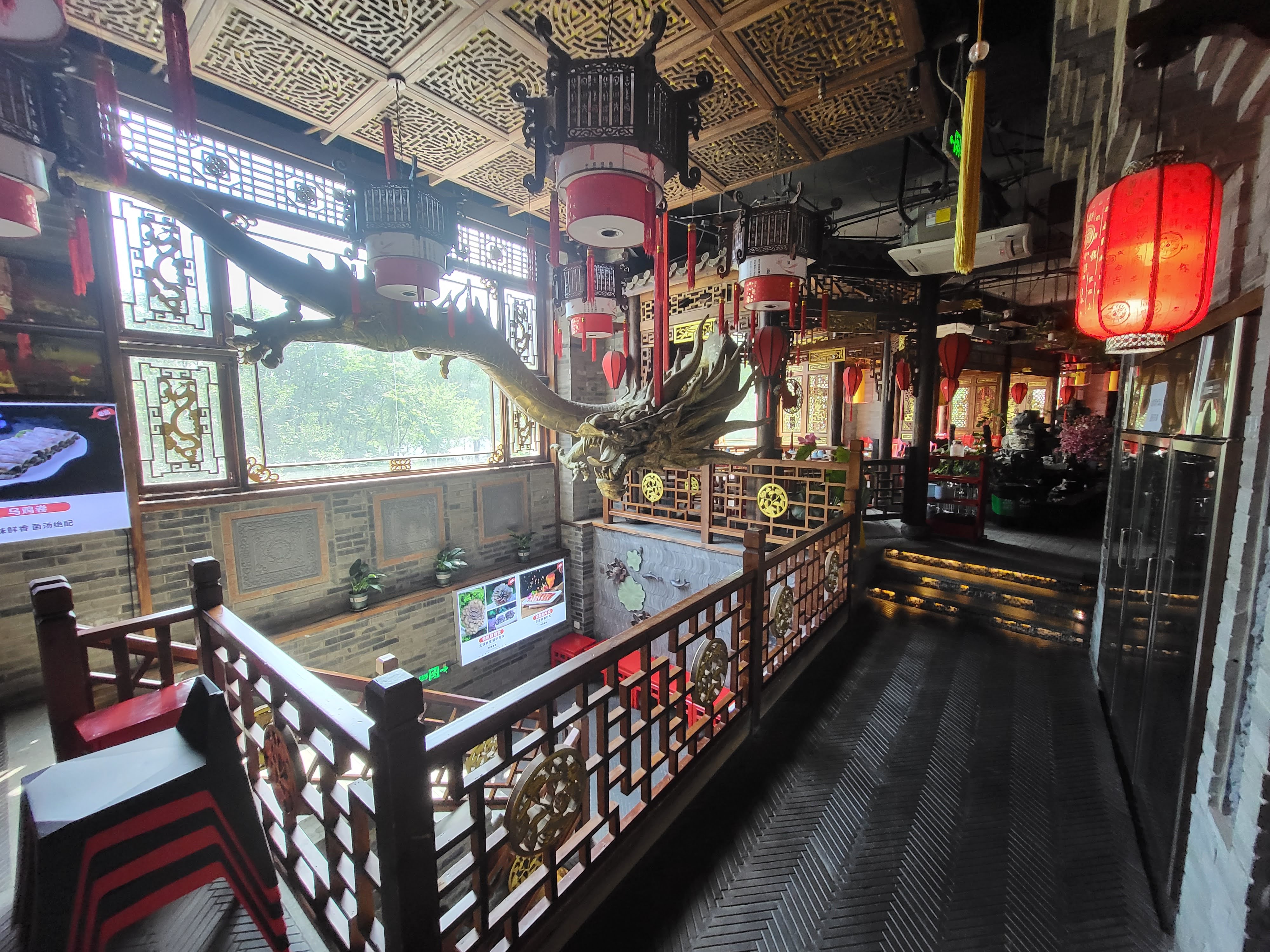
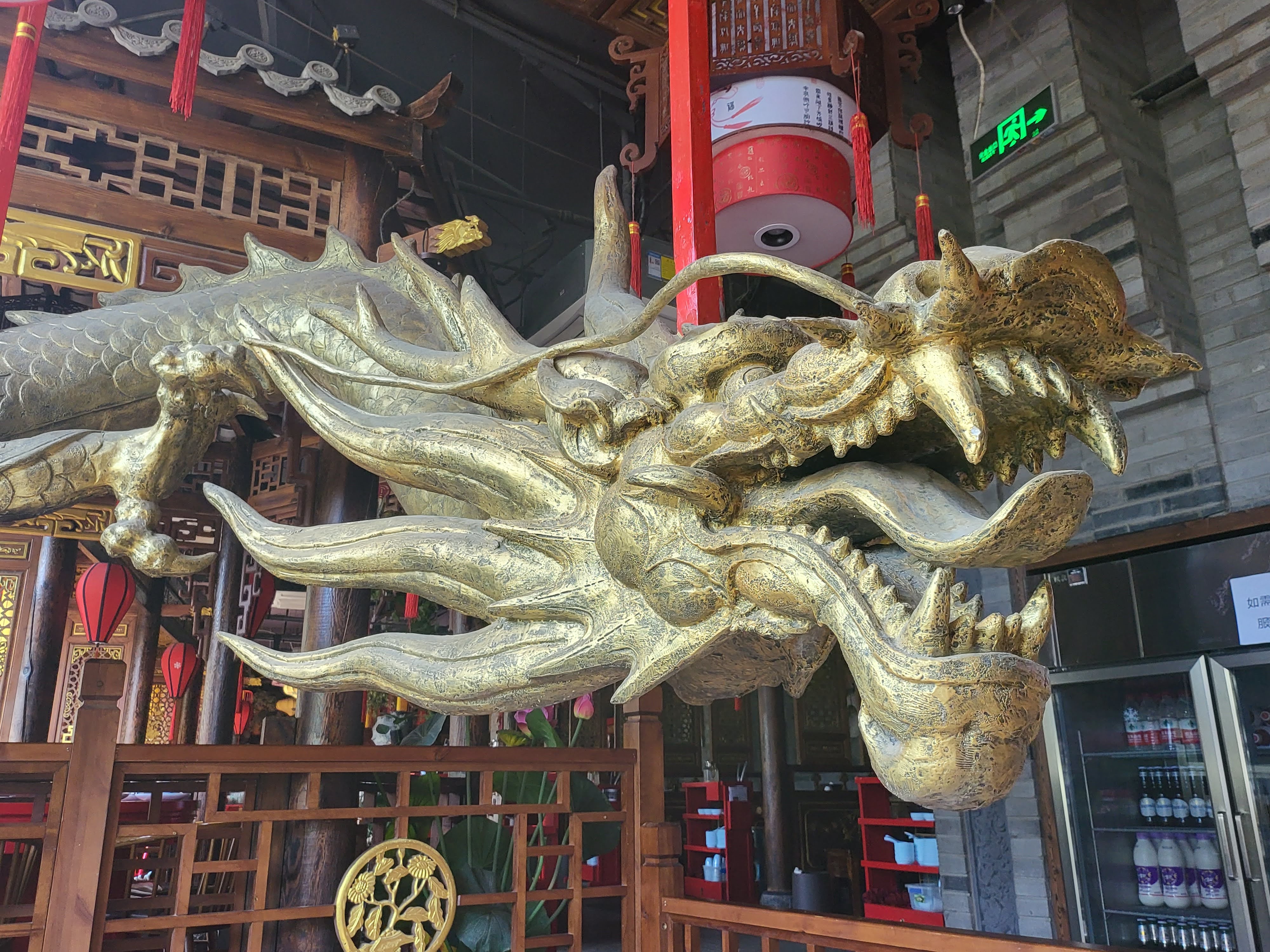

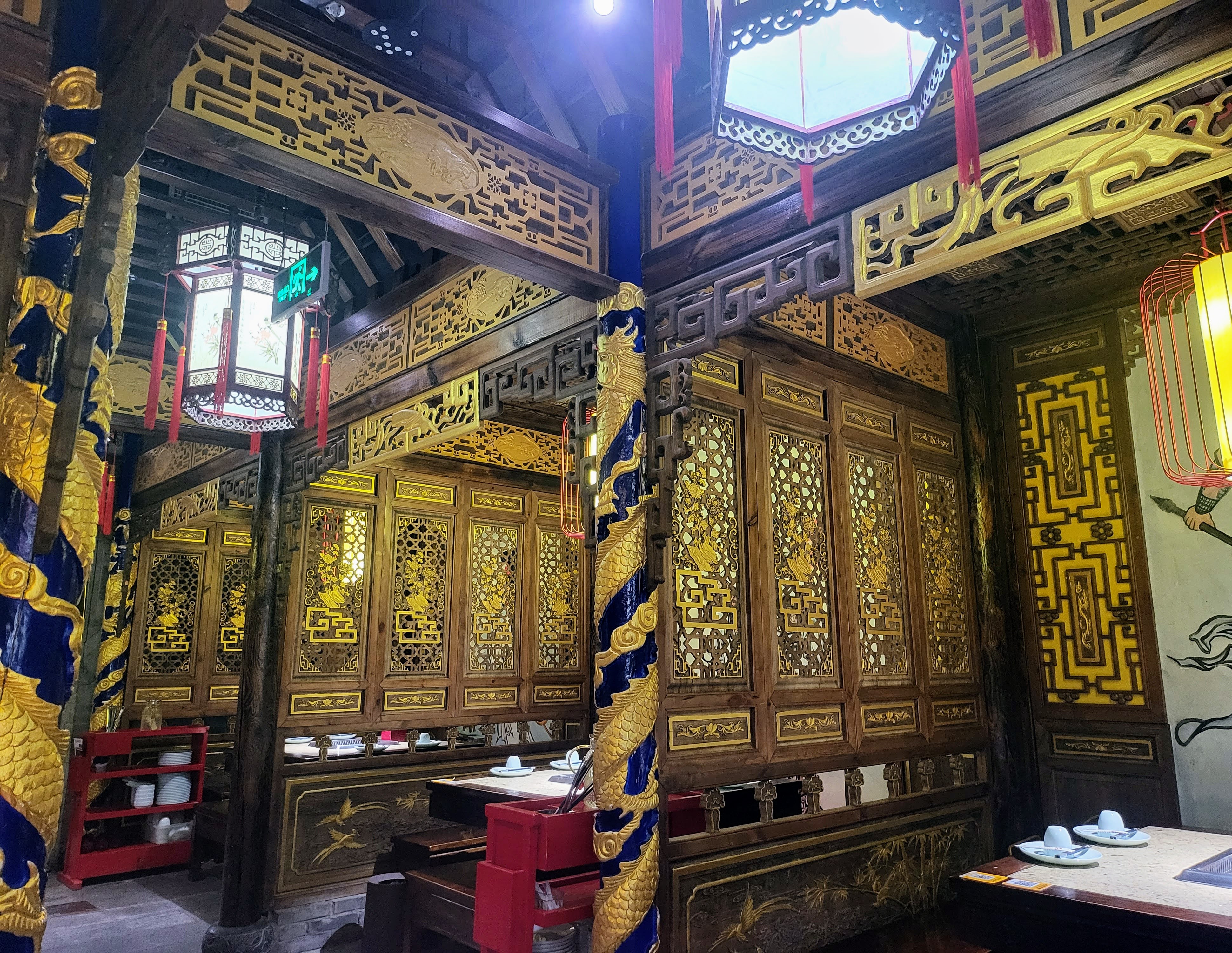
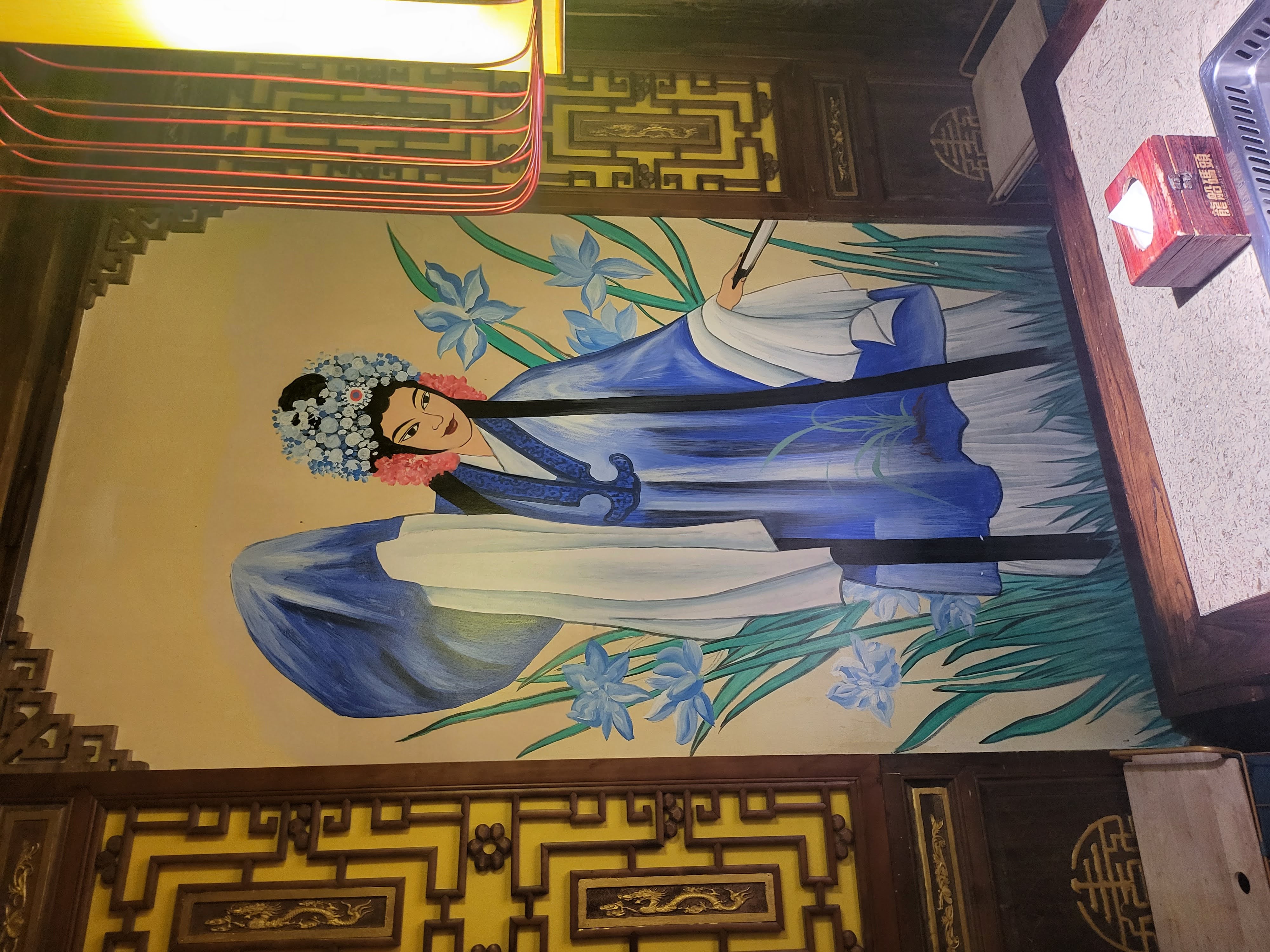
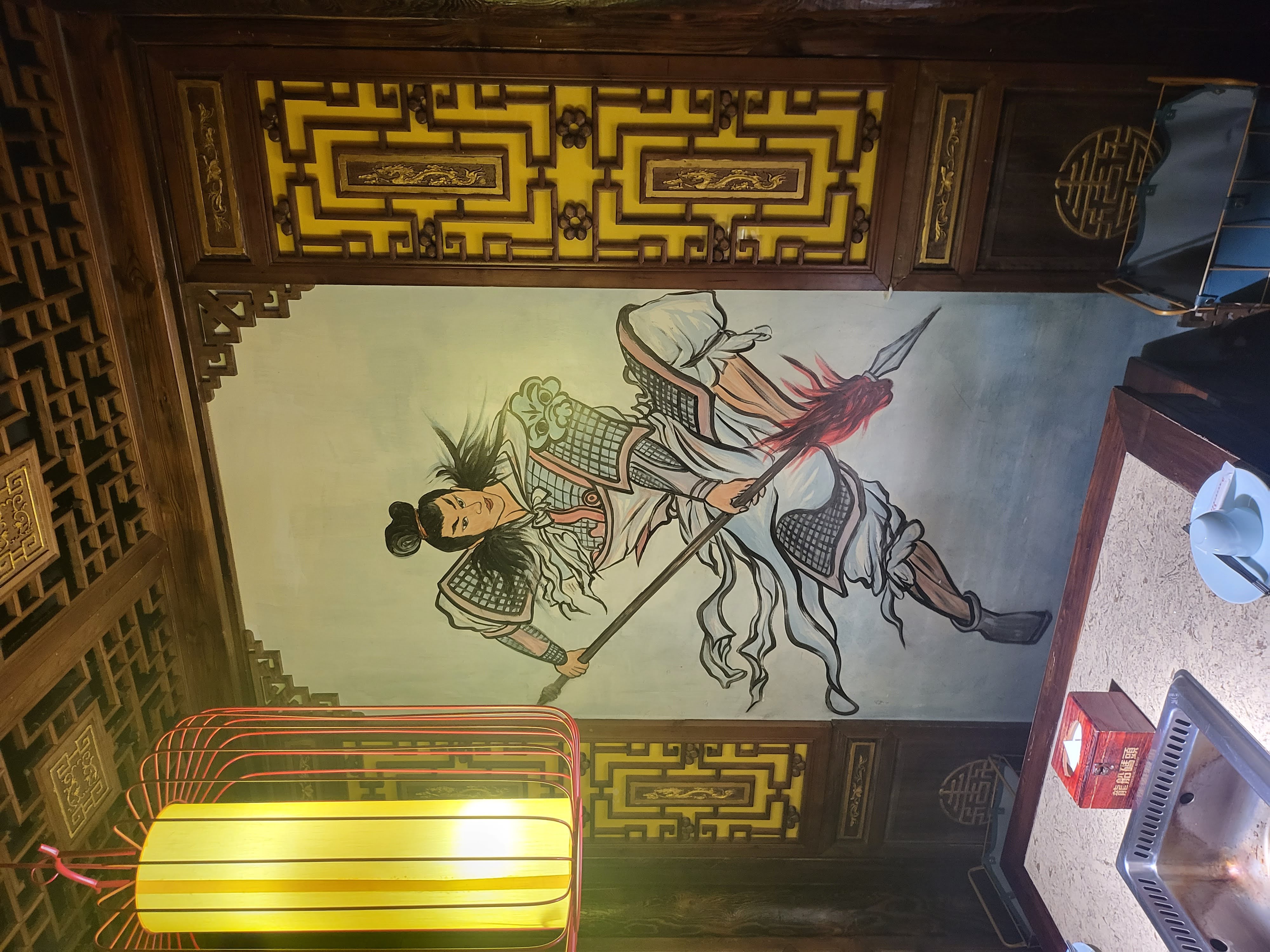

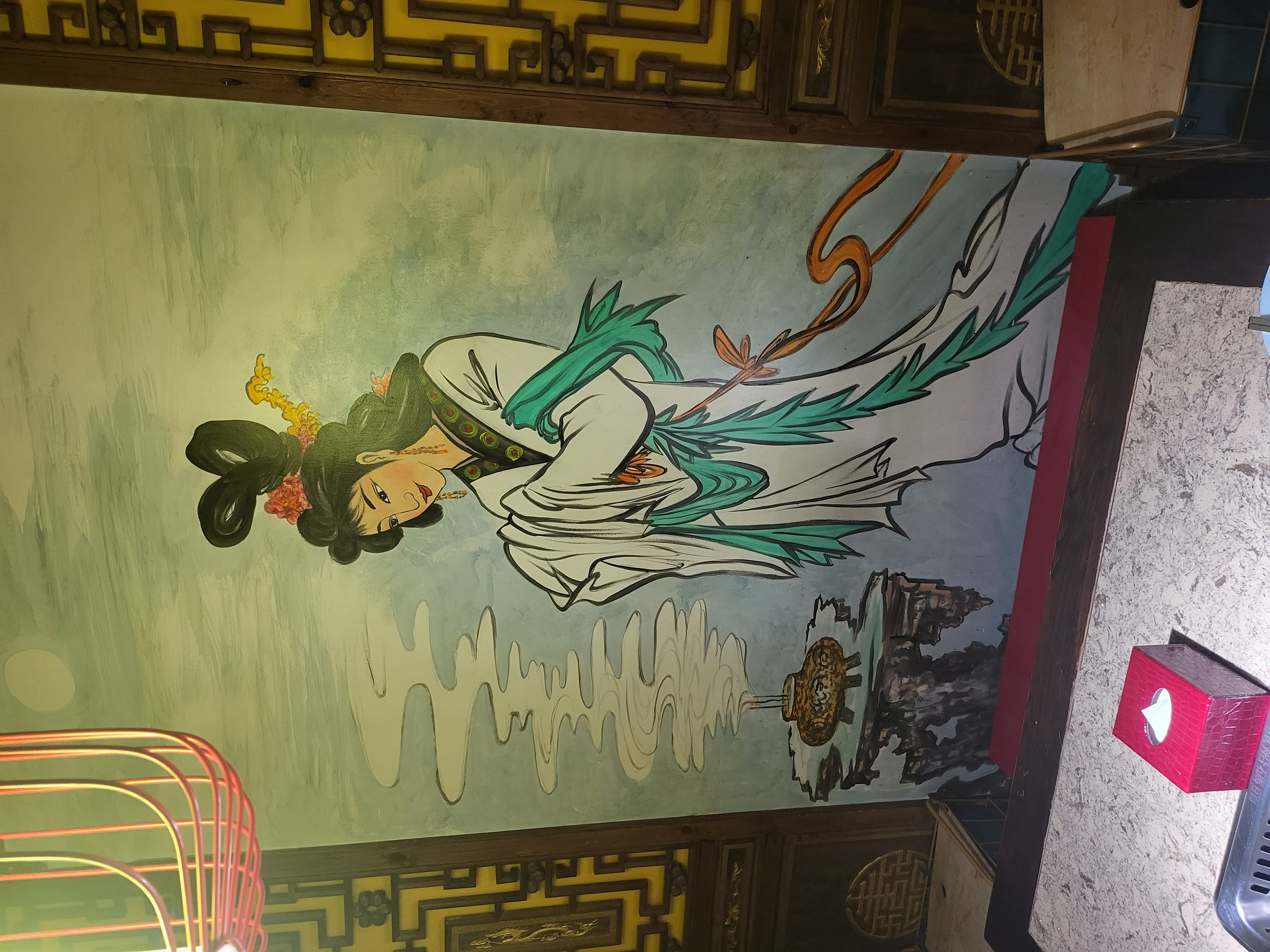
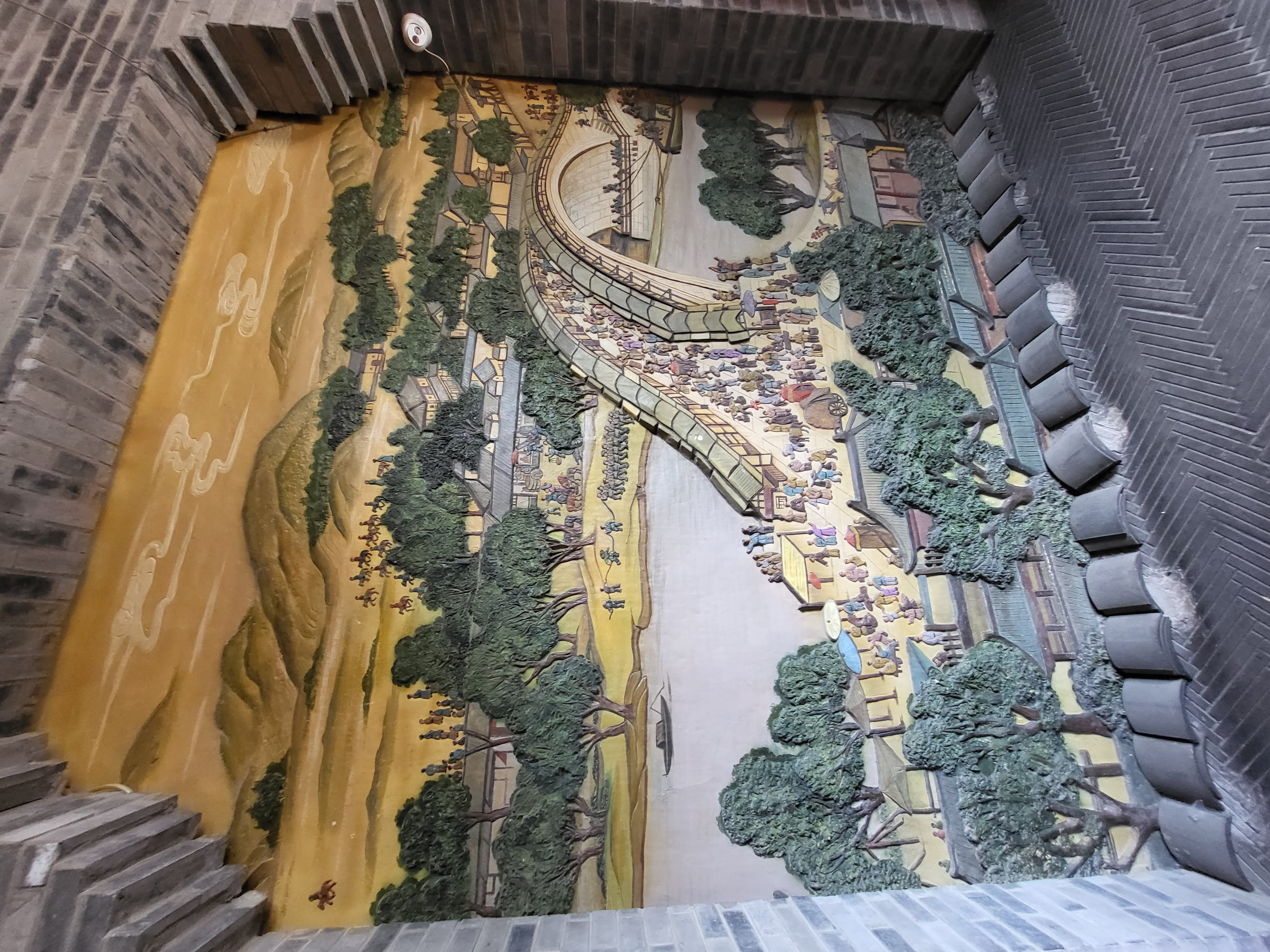
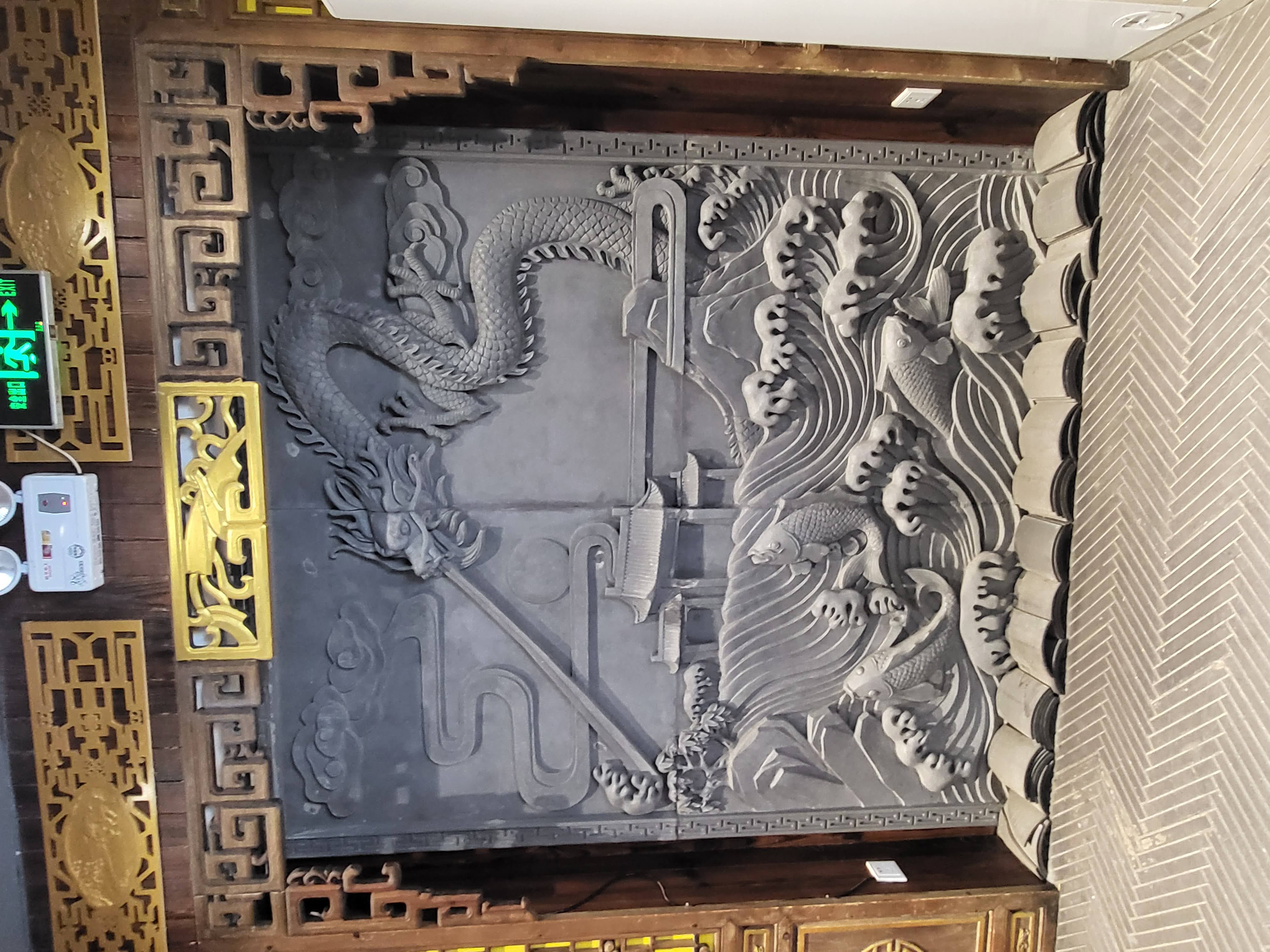
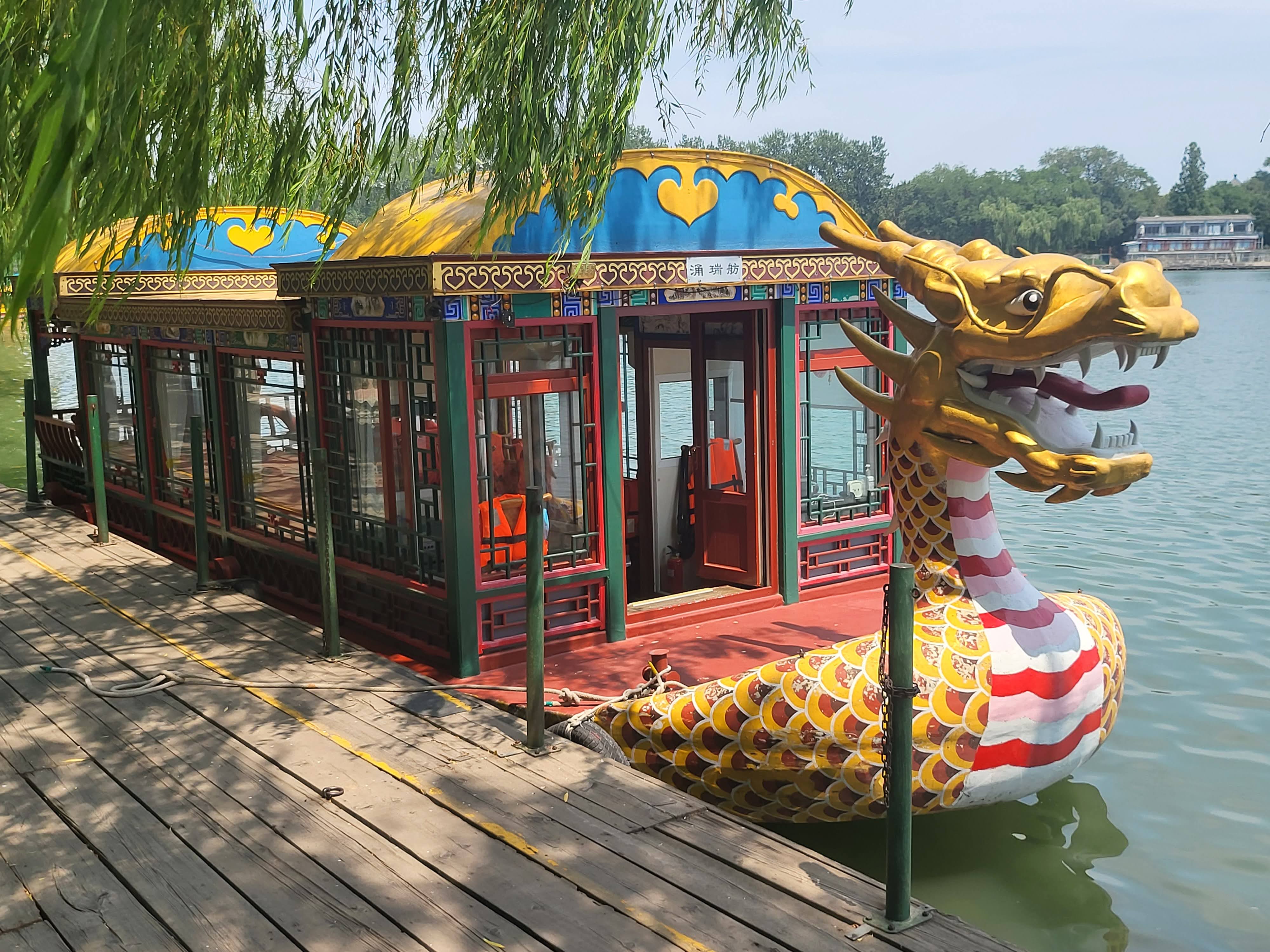
Dragon Boat Wharf · 龍船碼頭
The divided pot keeps contrasting broths separate, allowing meat, seafood, tripe, and vegetables to cook at the table in the broth of choice.
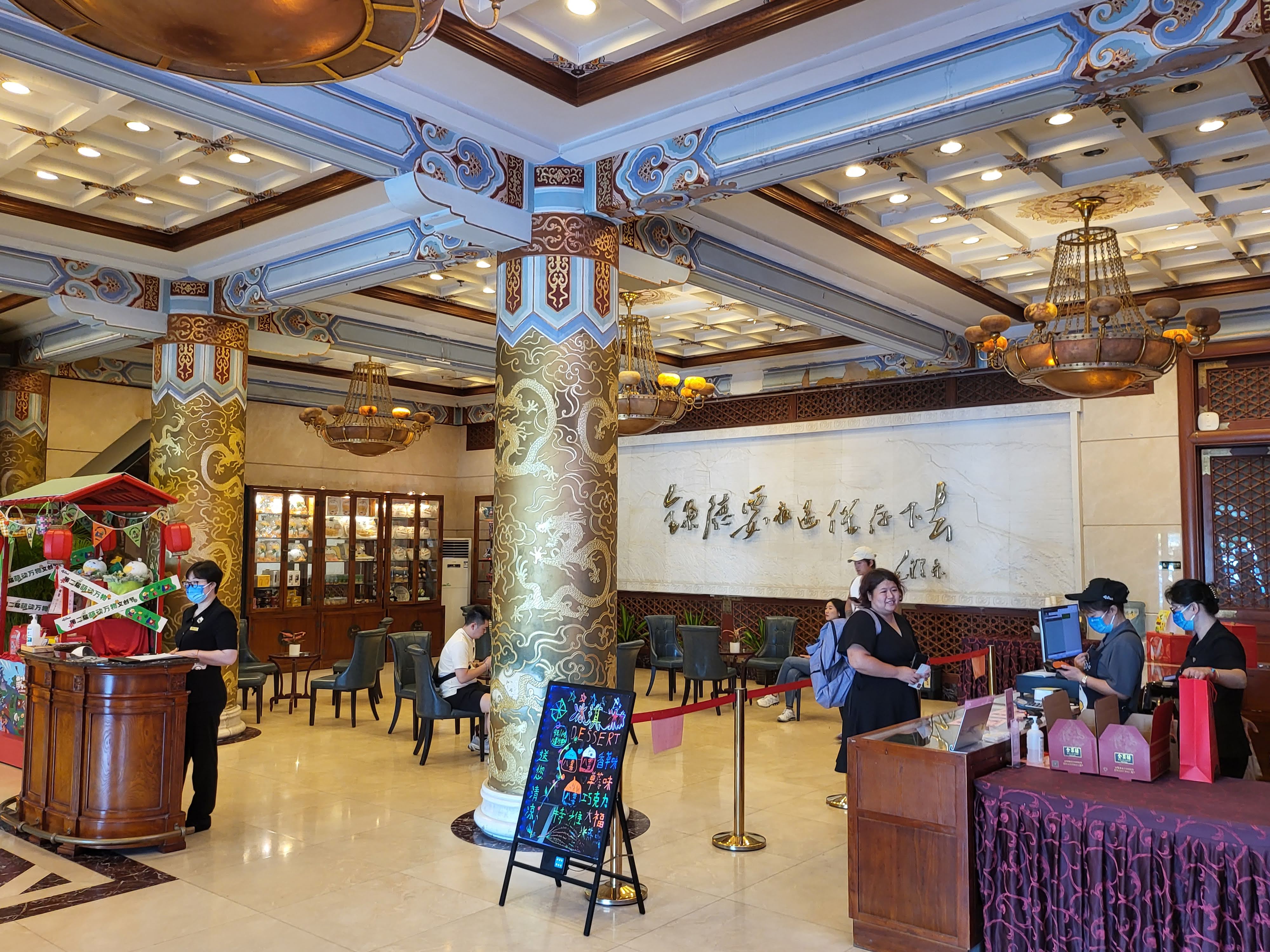
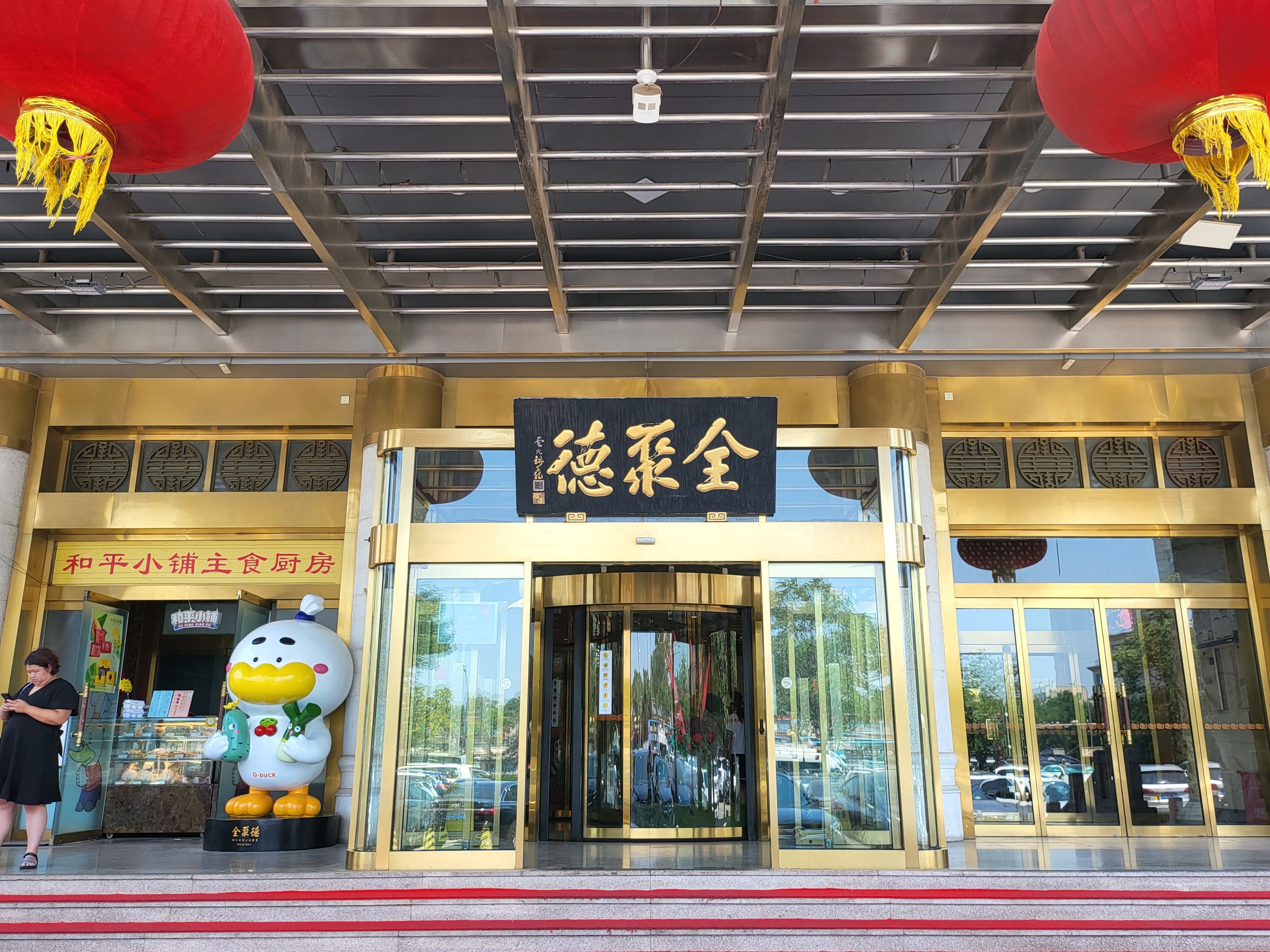
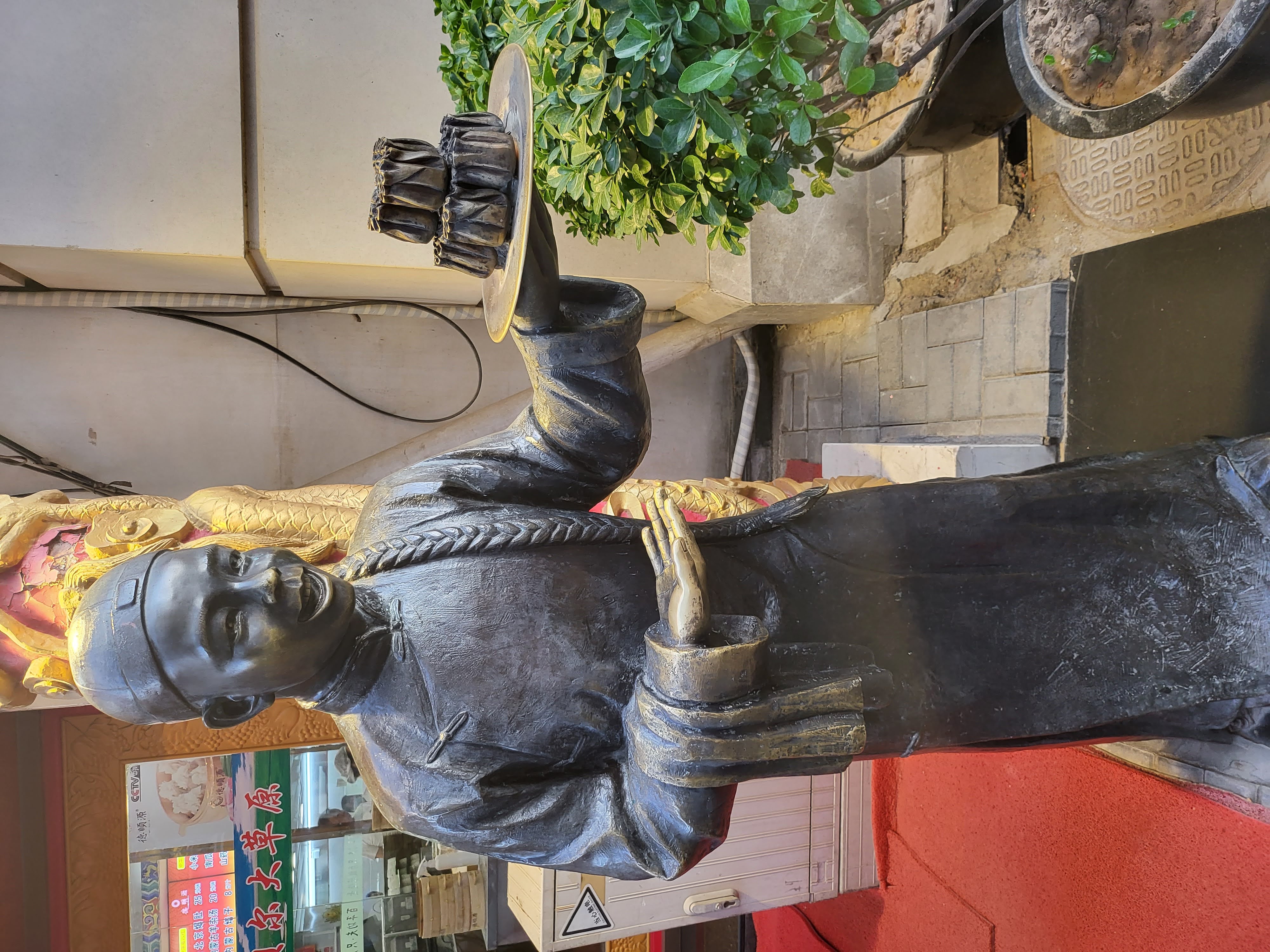
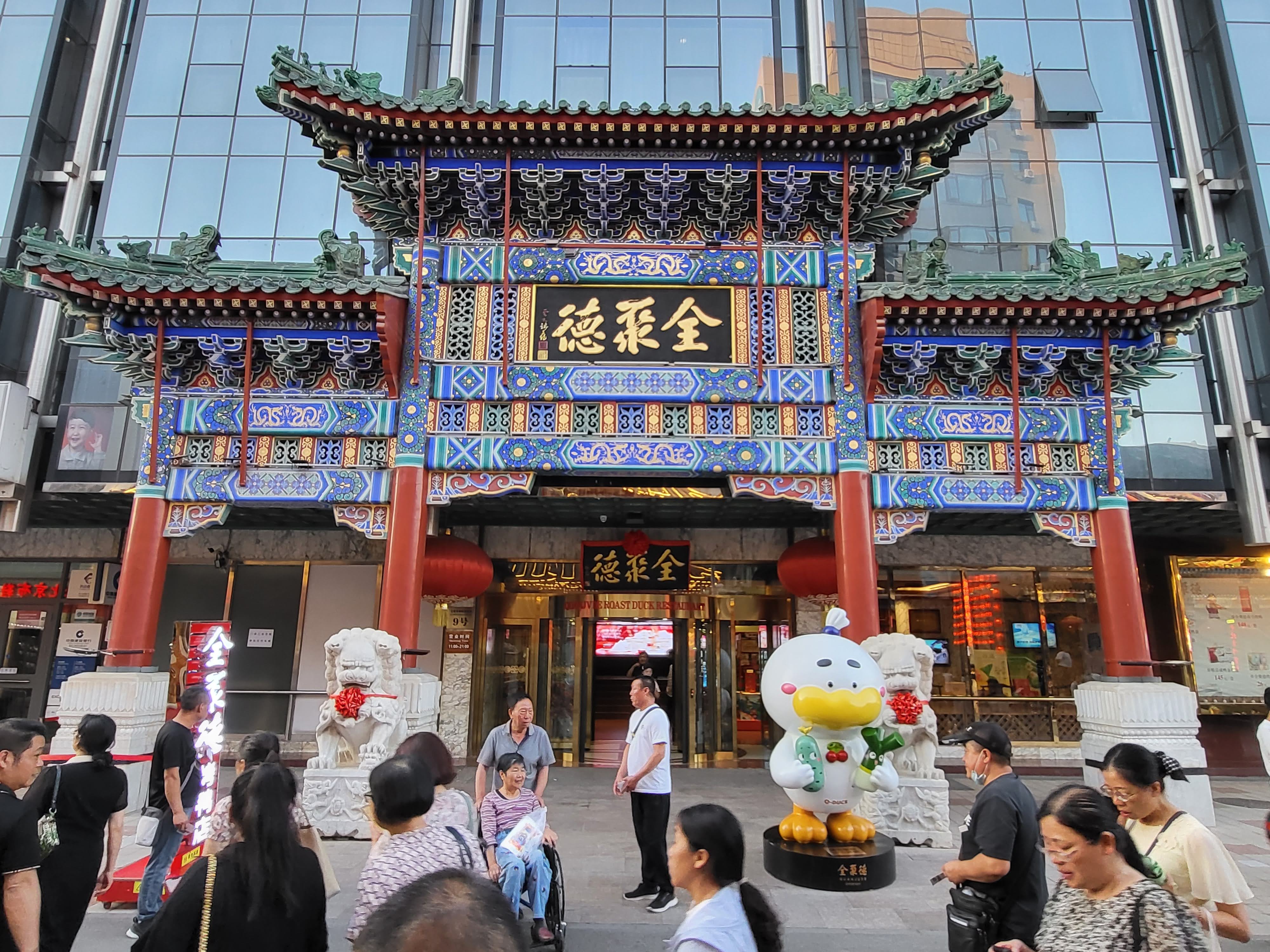
Quanjude · 全聚德
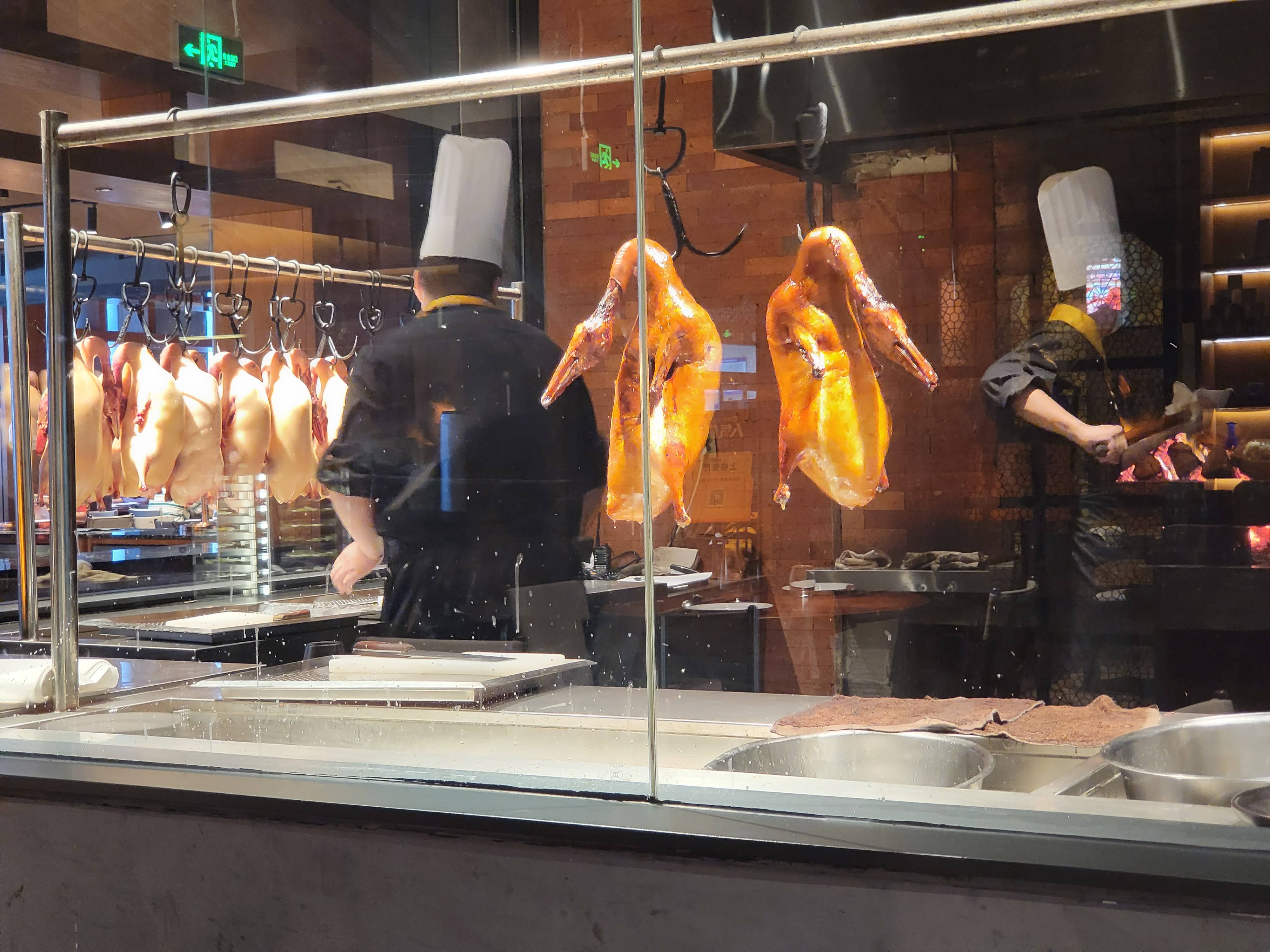
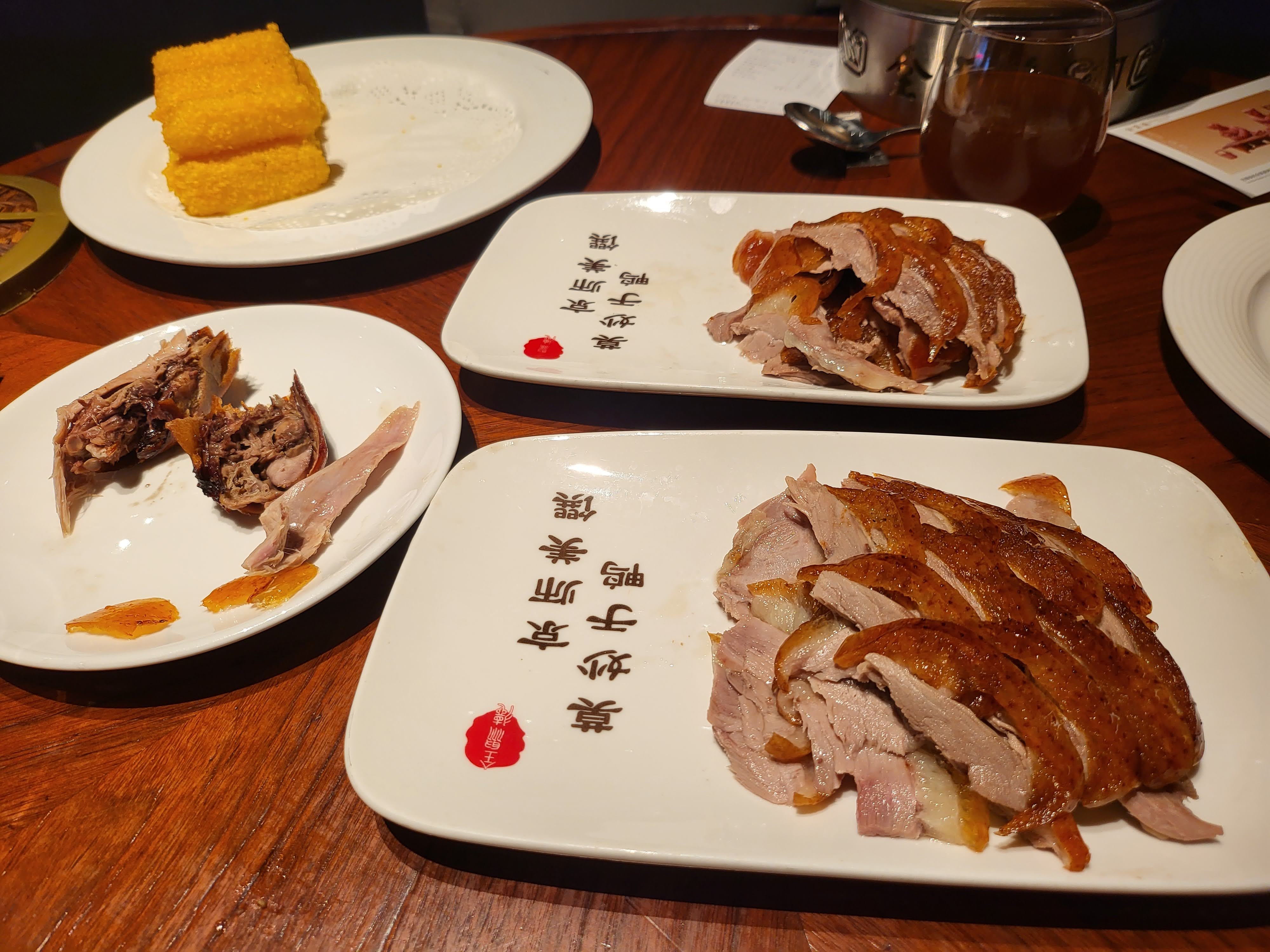
Whole birds hang beside the open preparation area. The browned skins show the lacquered finish that makes this one of Beijing’s signature dishes.
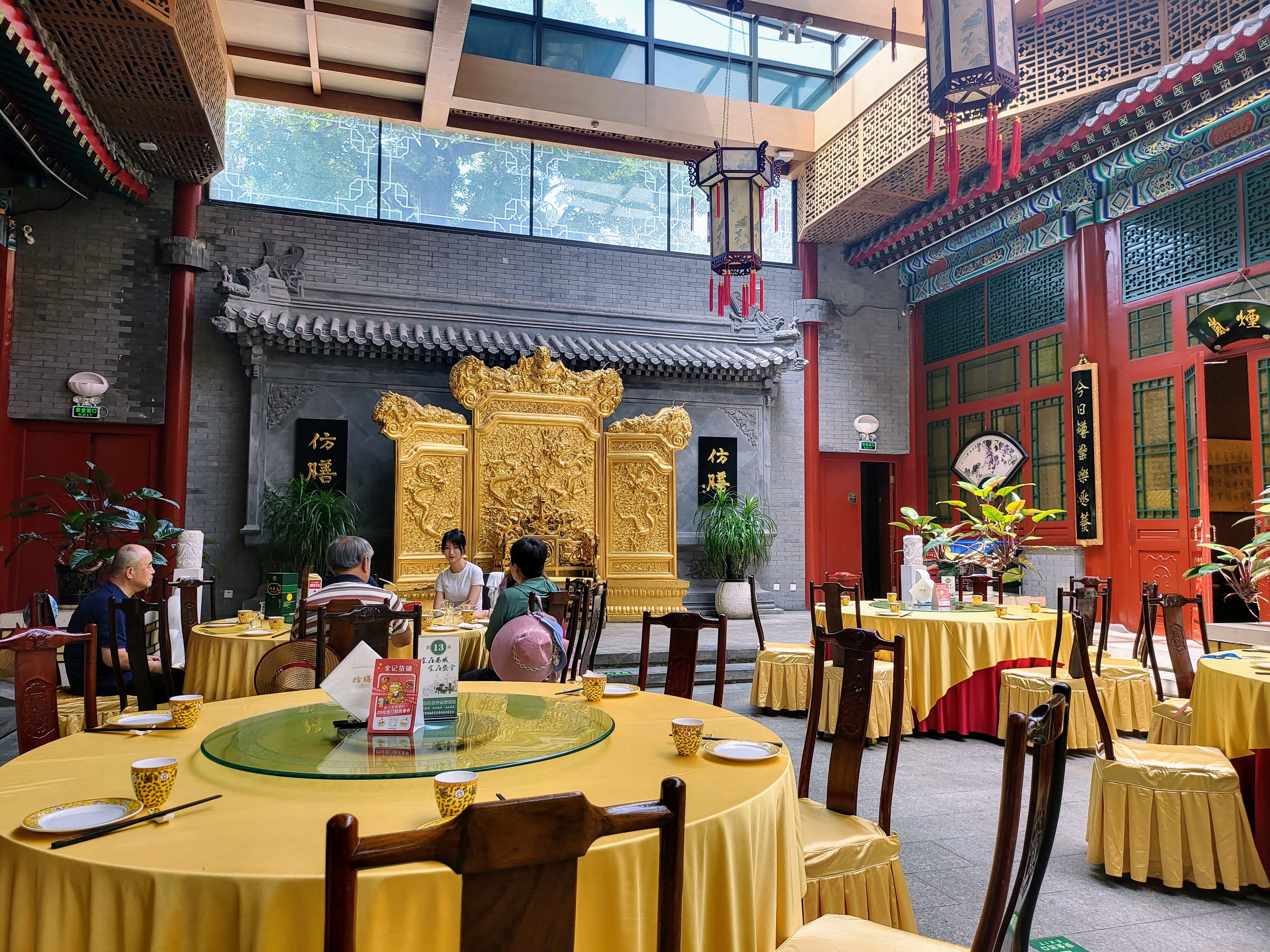
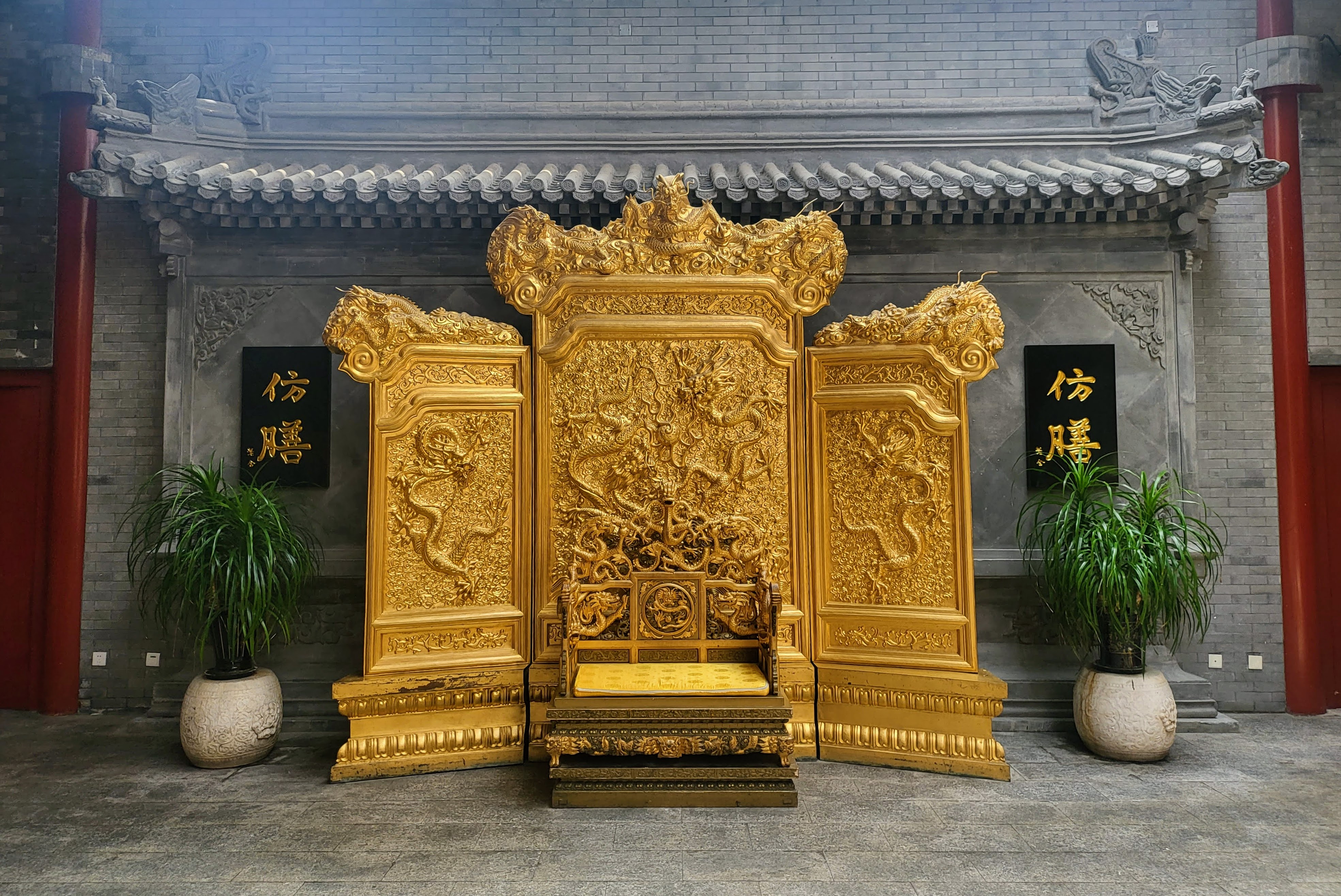
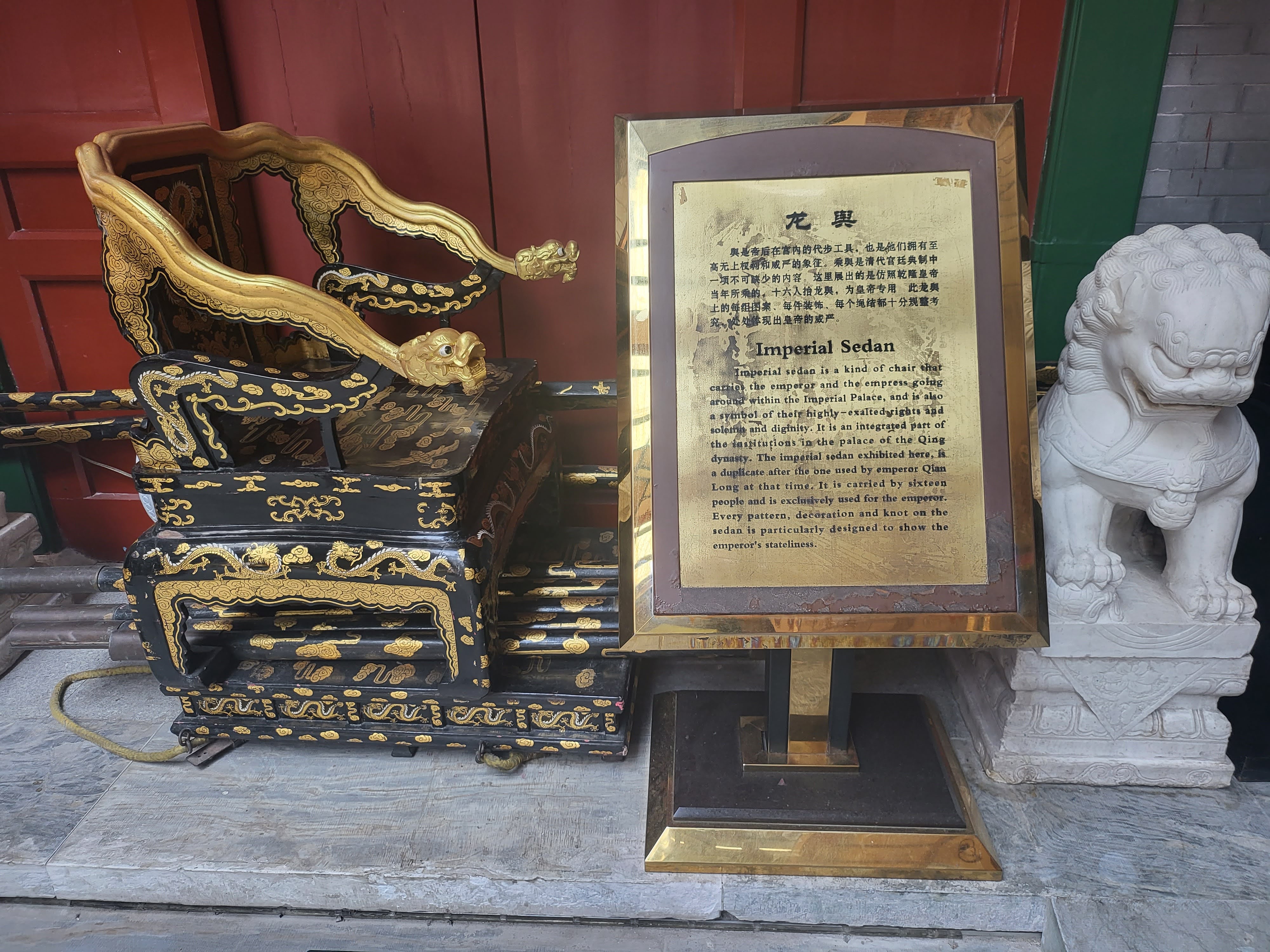
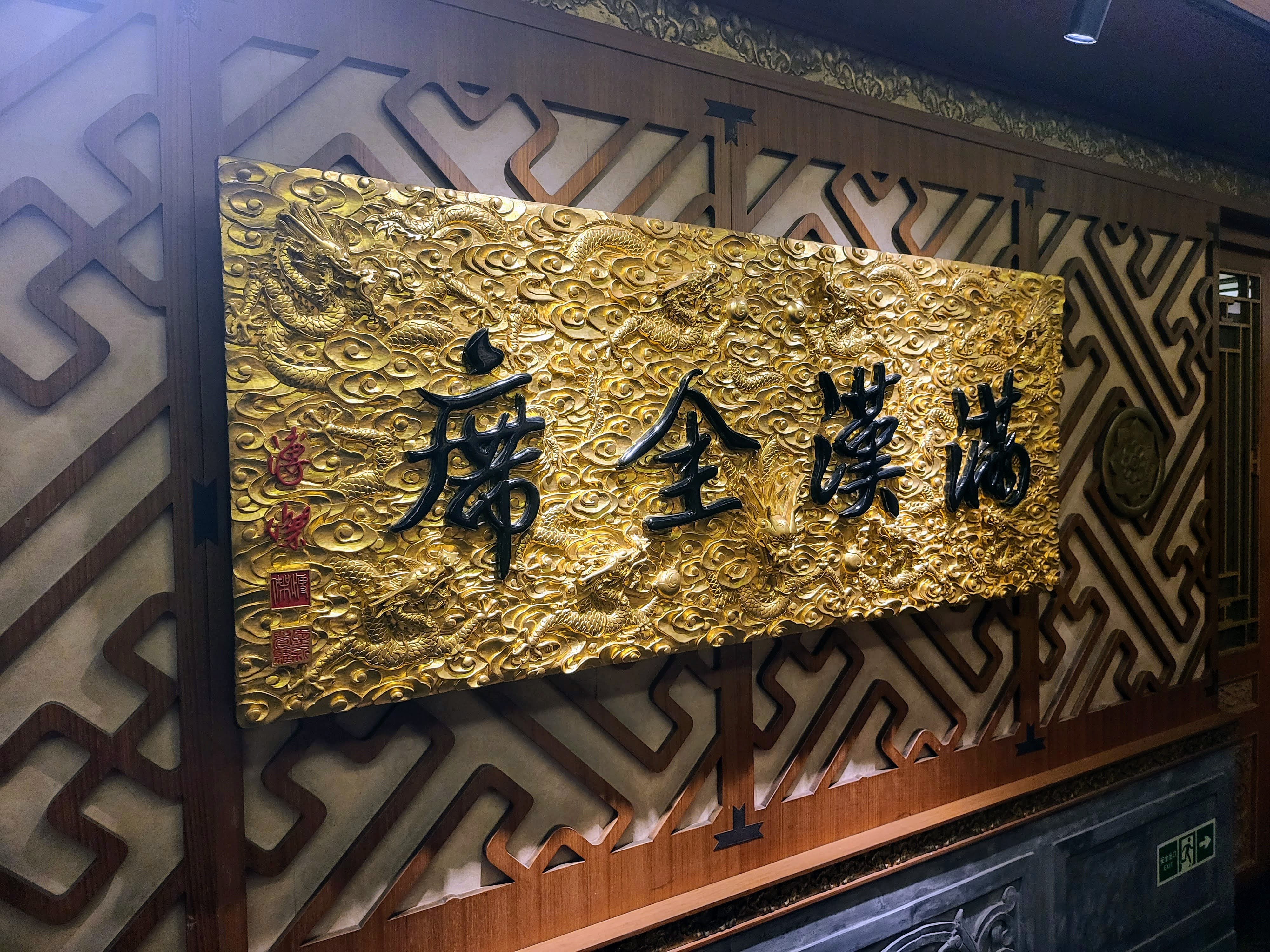
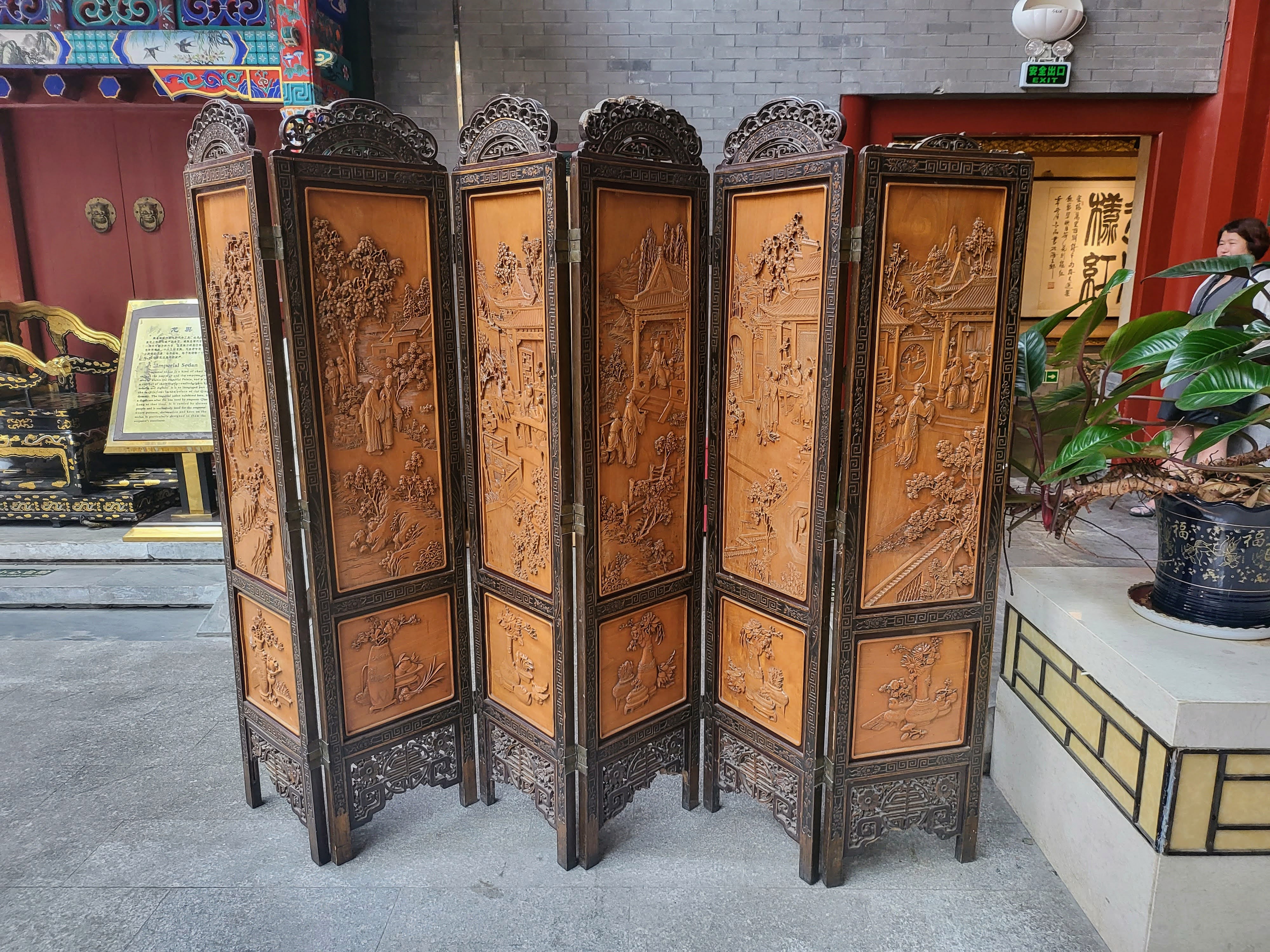


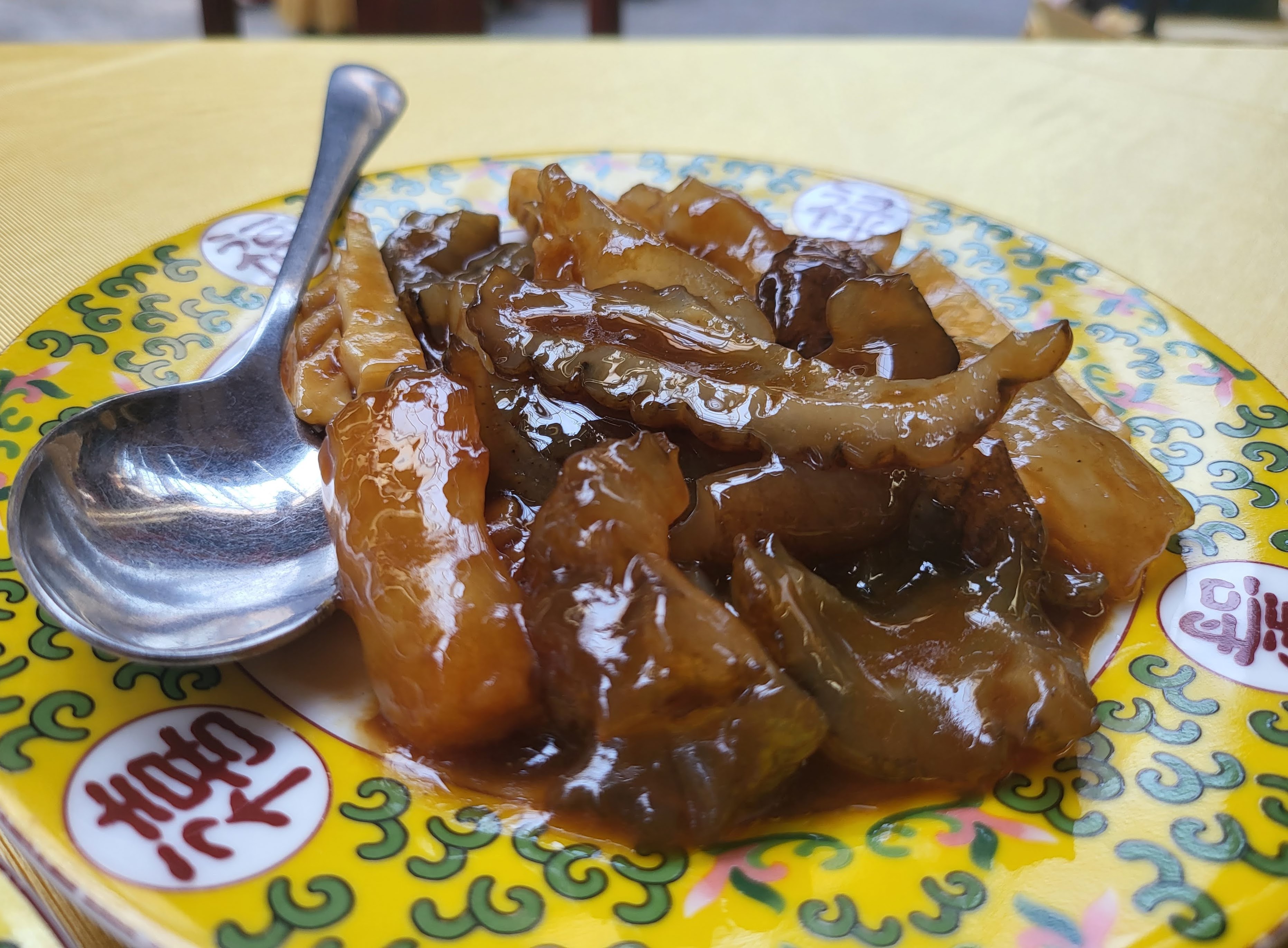

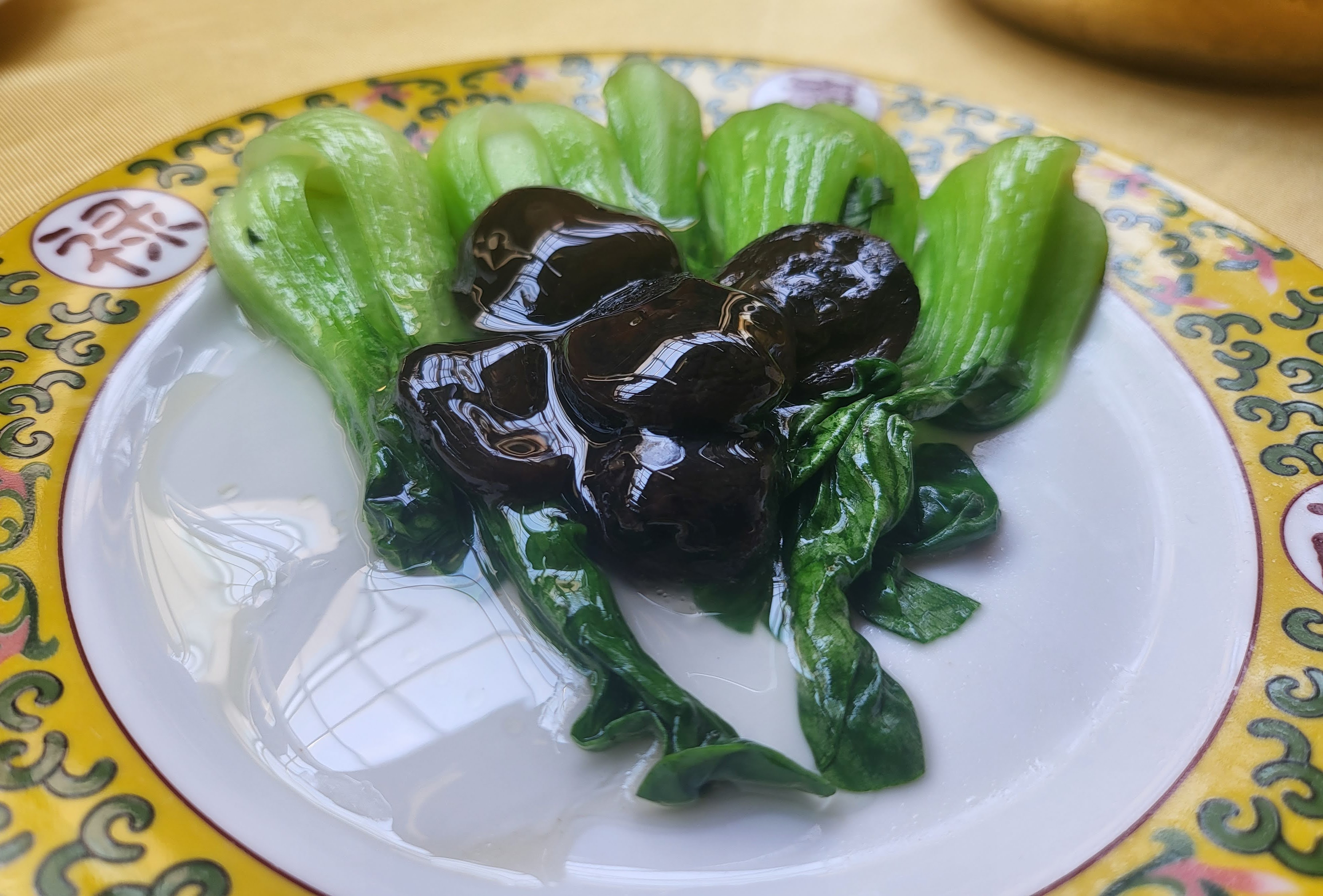
Fangshan · 仿膳
This Beihai Park institution specializes in imperial-style cuisine. Yellow table linens, painted beams, and gilded screens extend the palace references from the menu into the dining room.
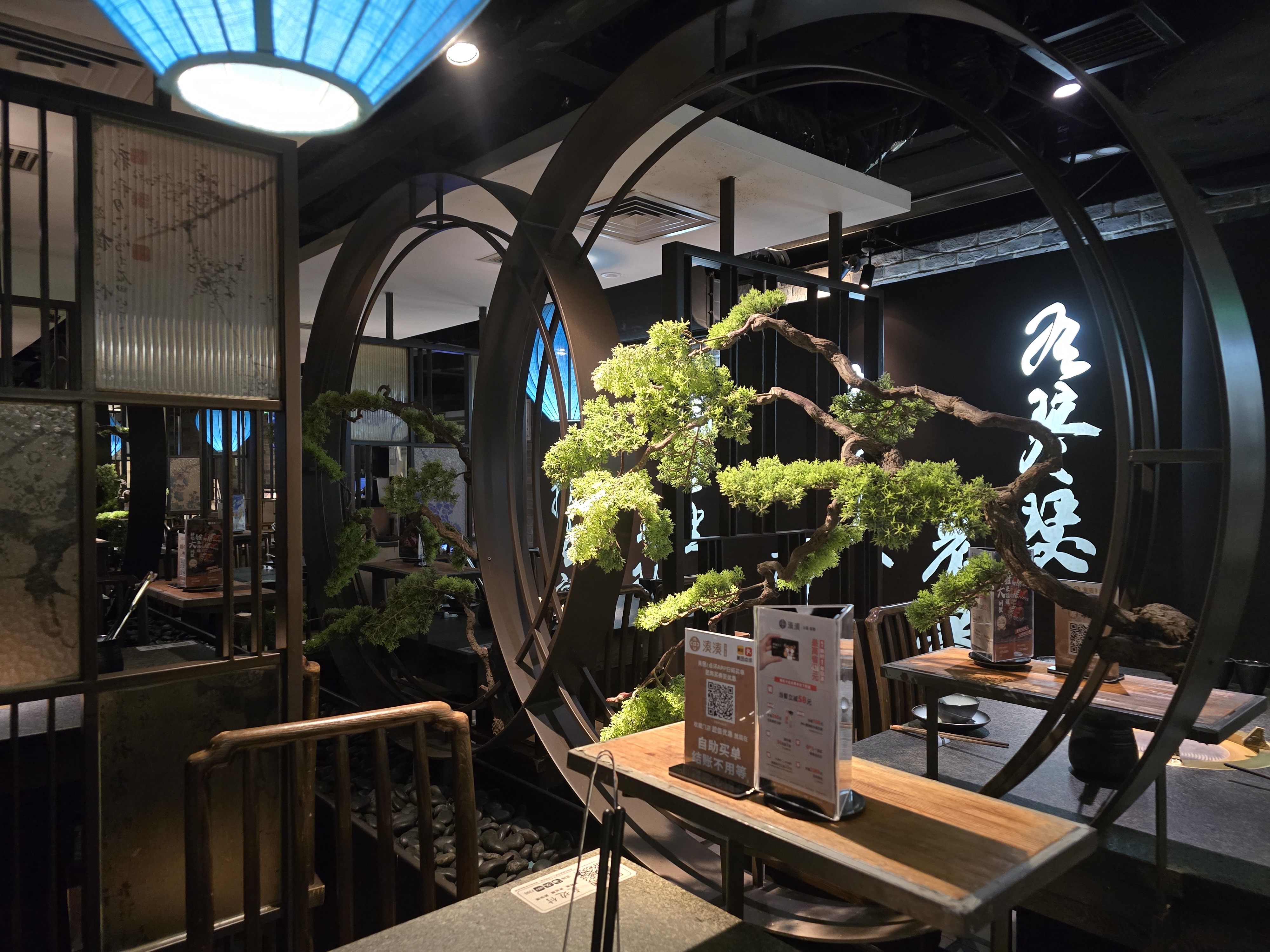
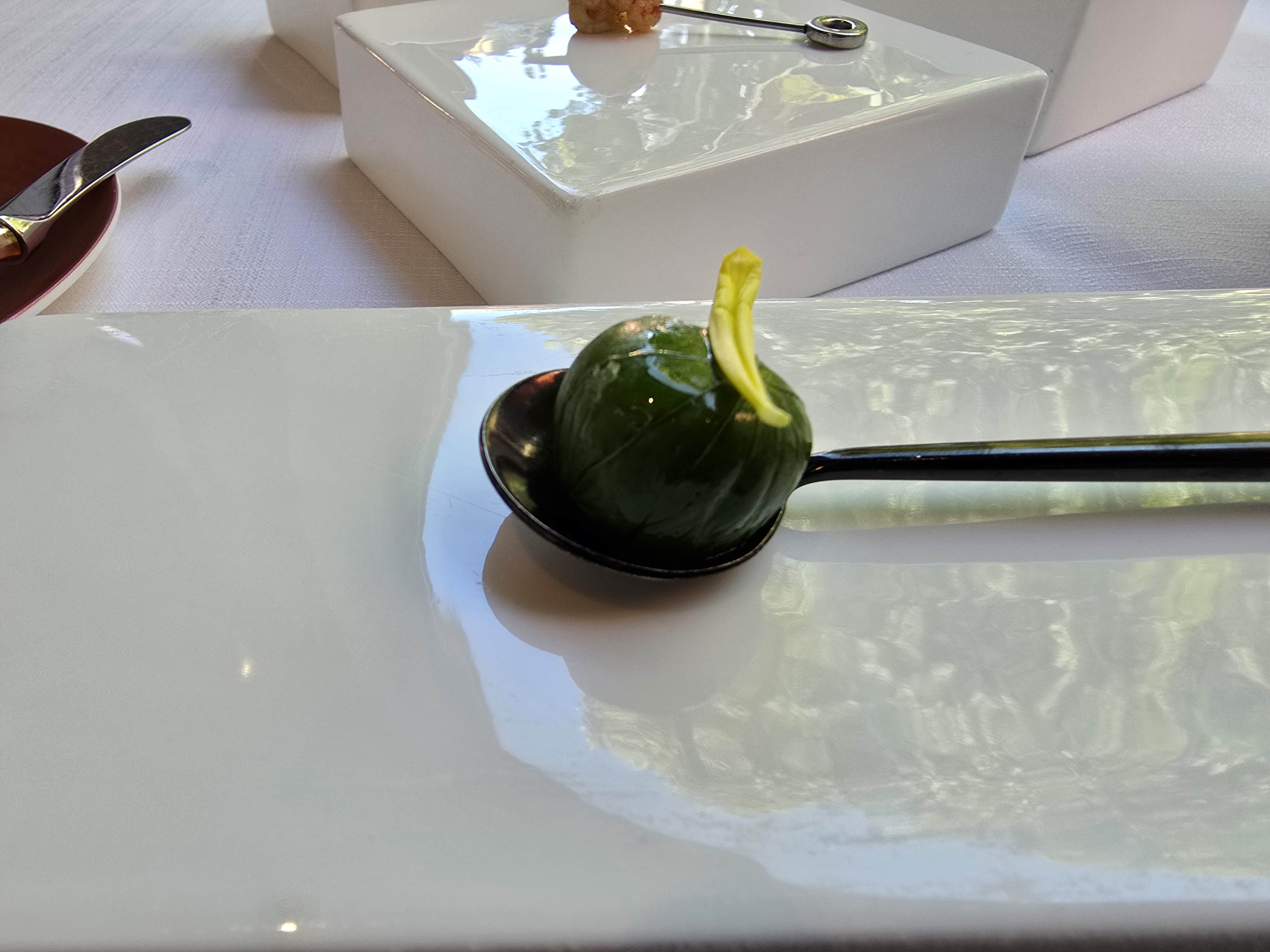

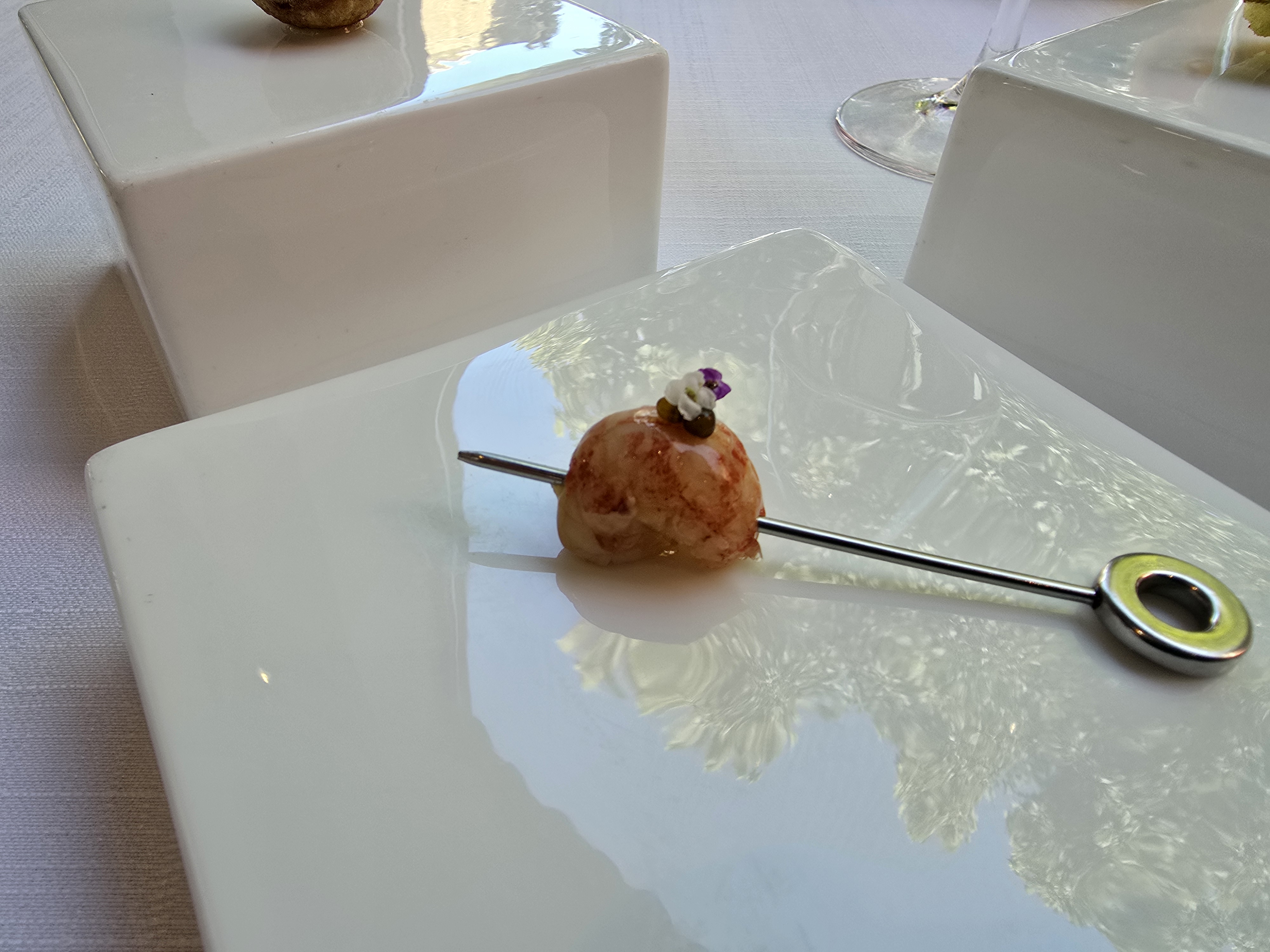
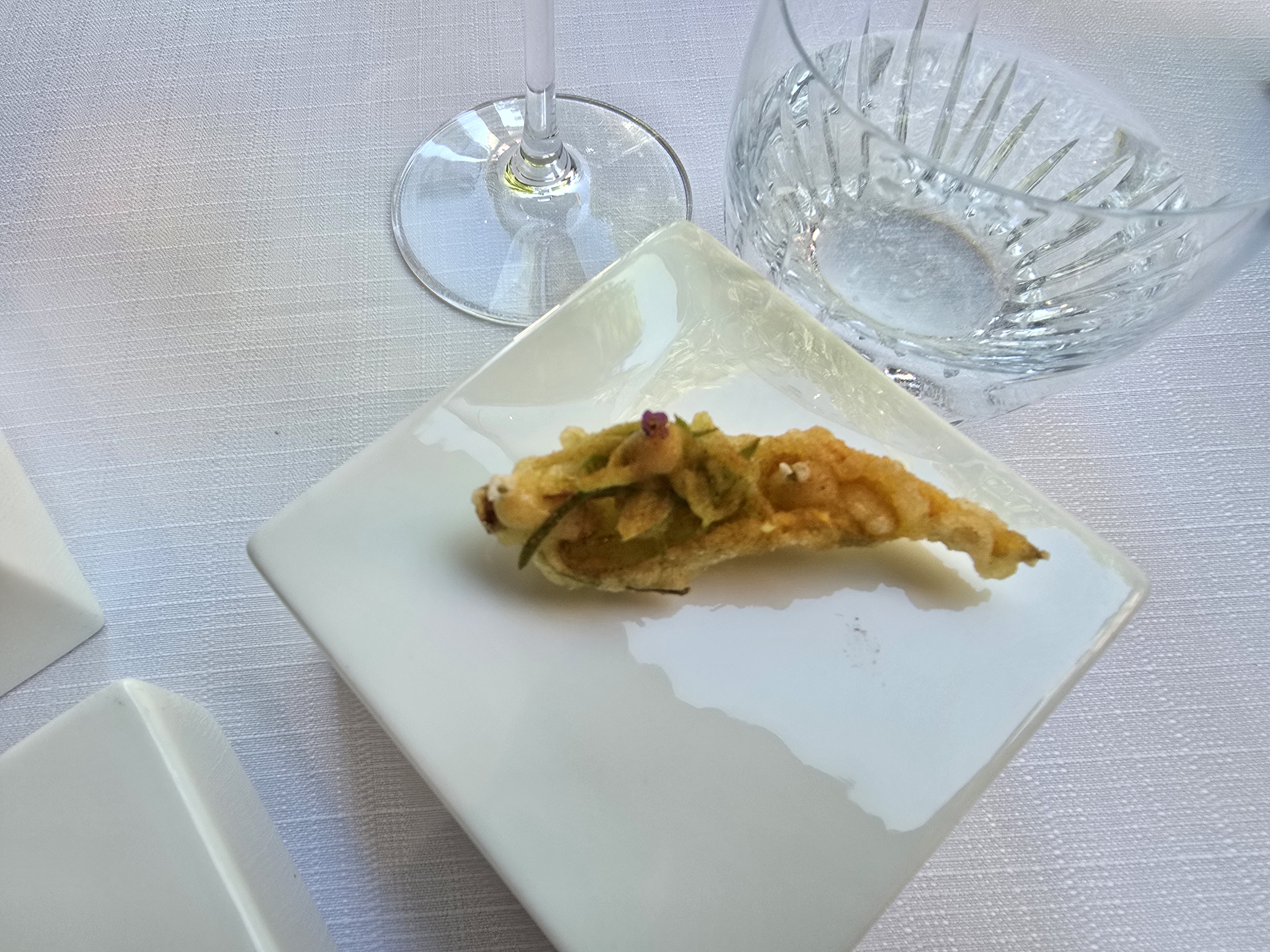

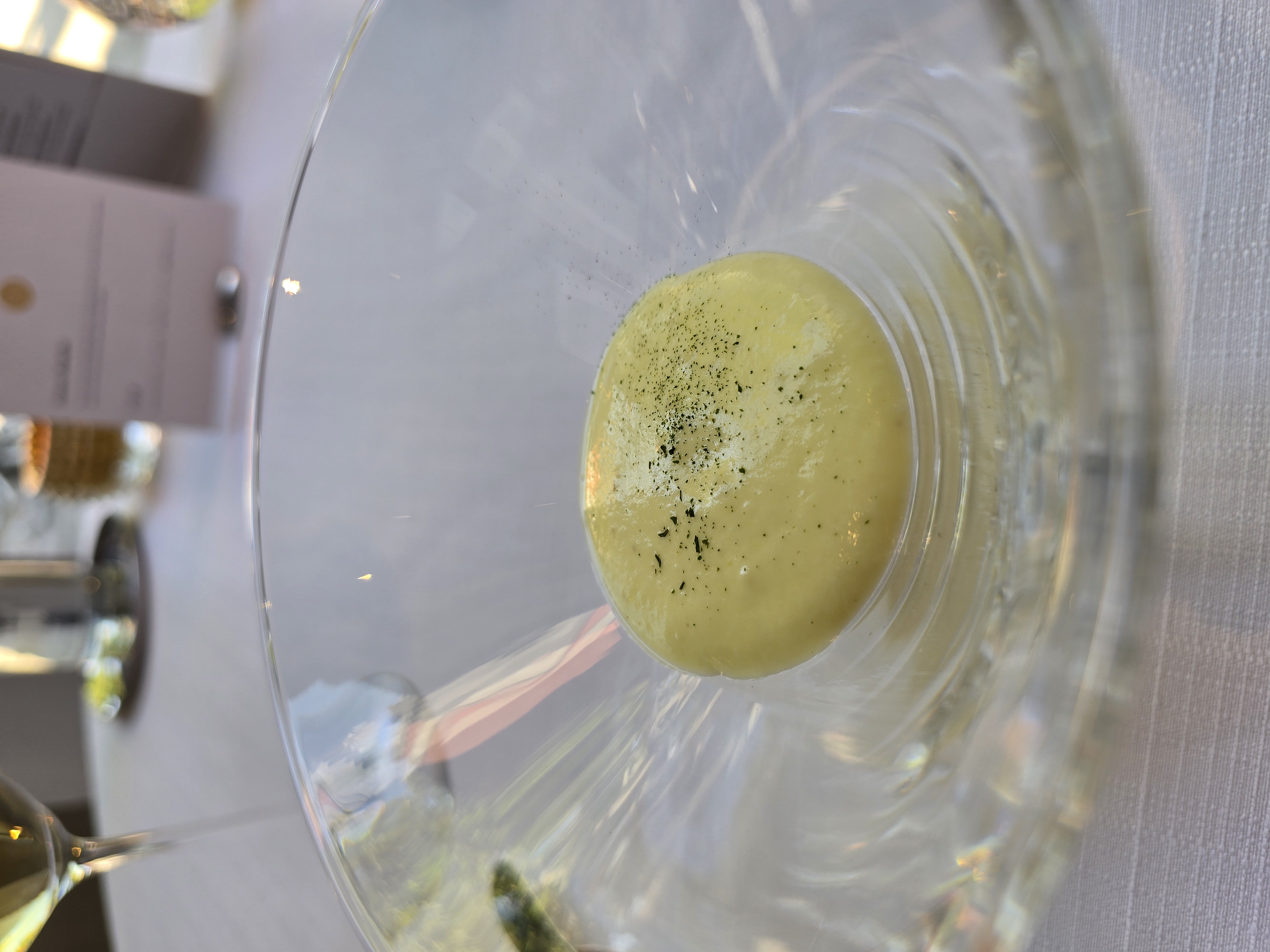
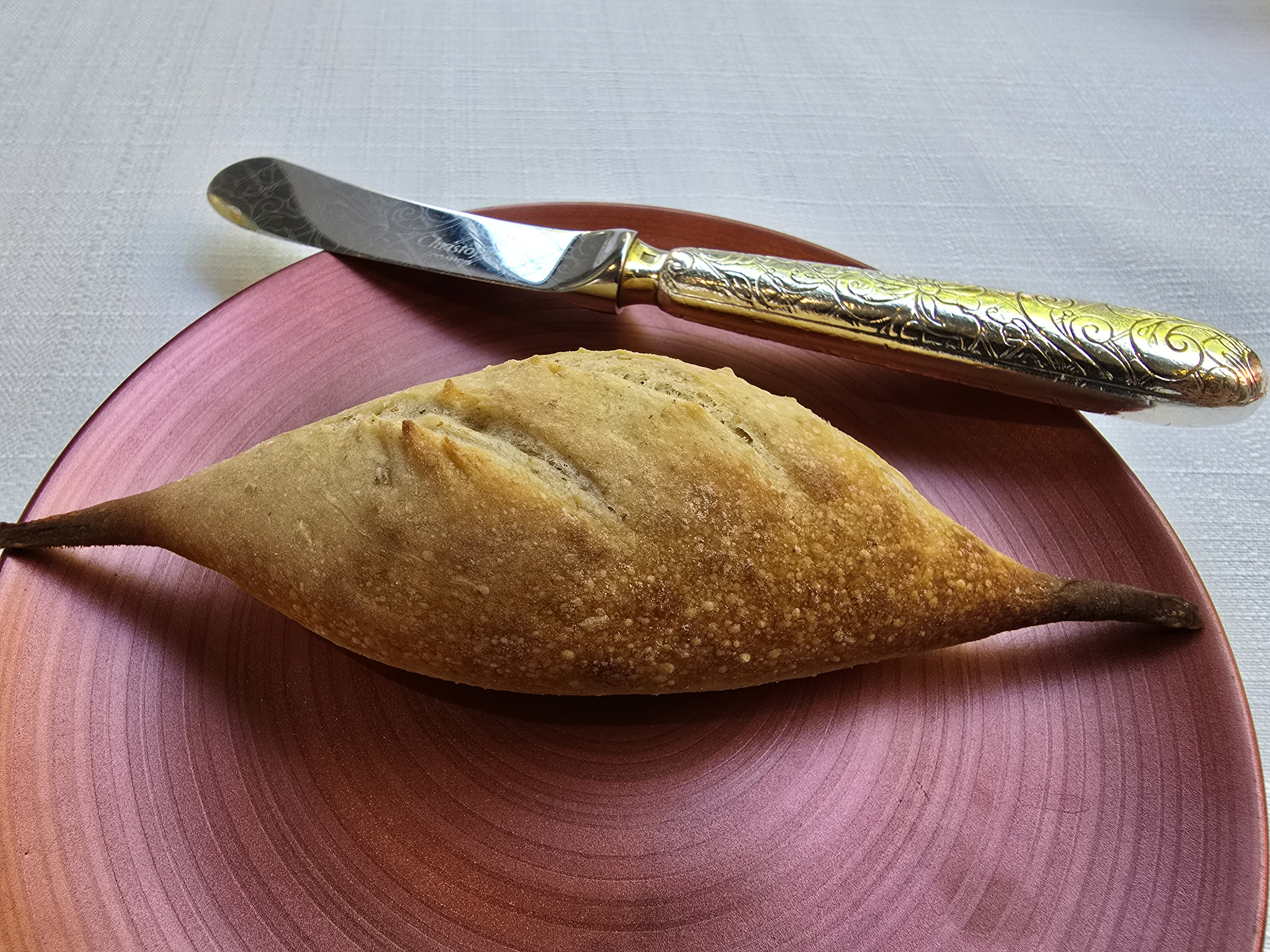

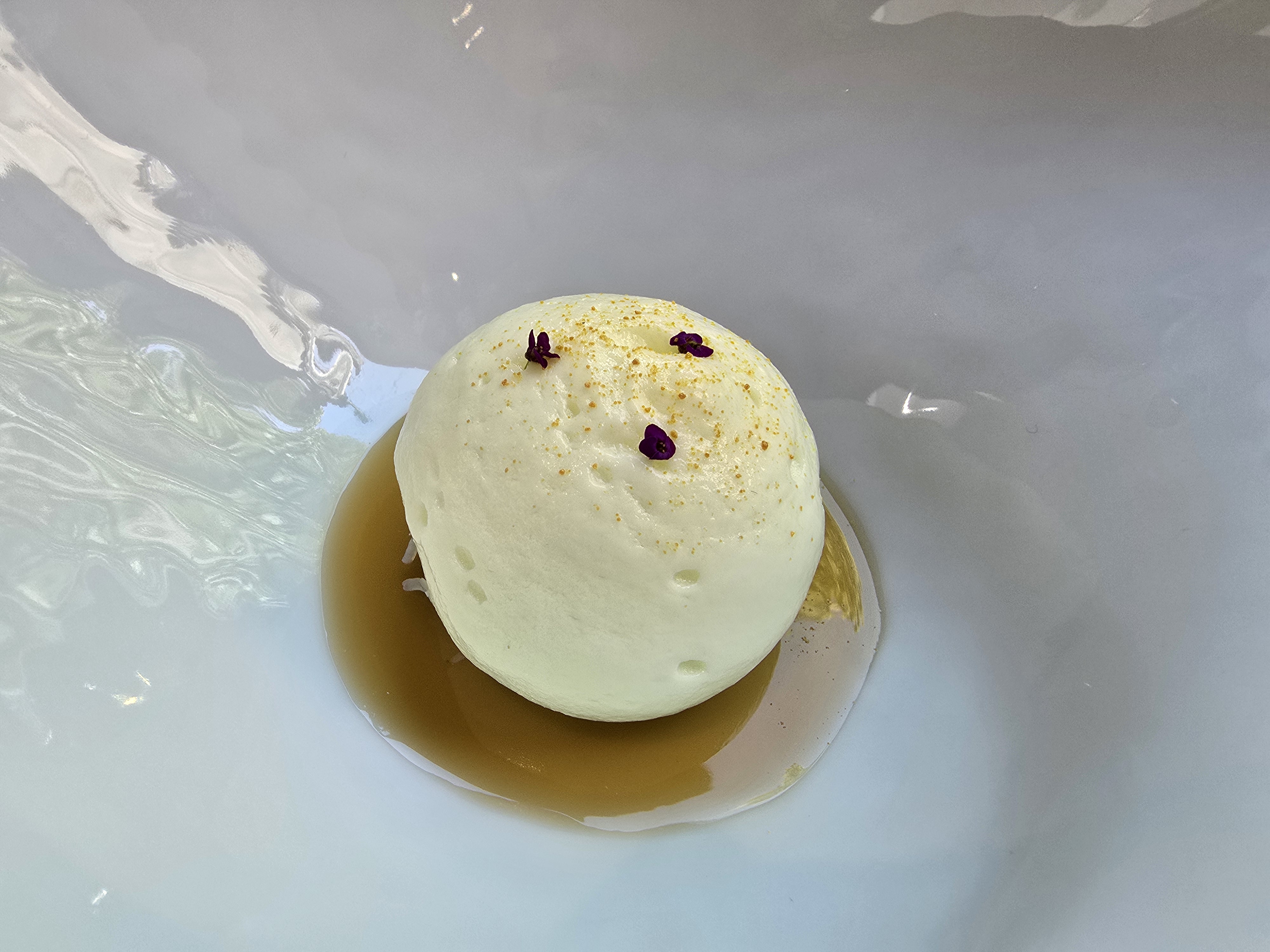

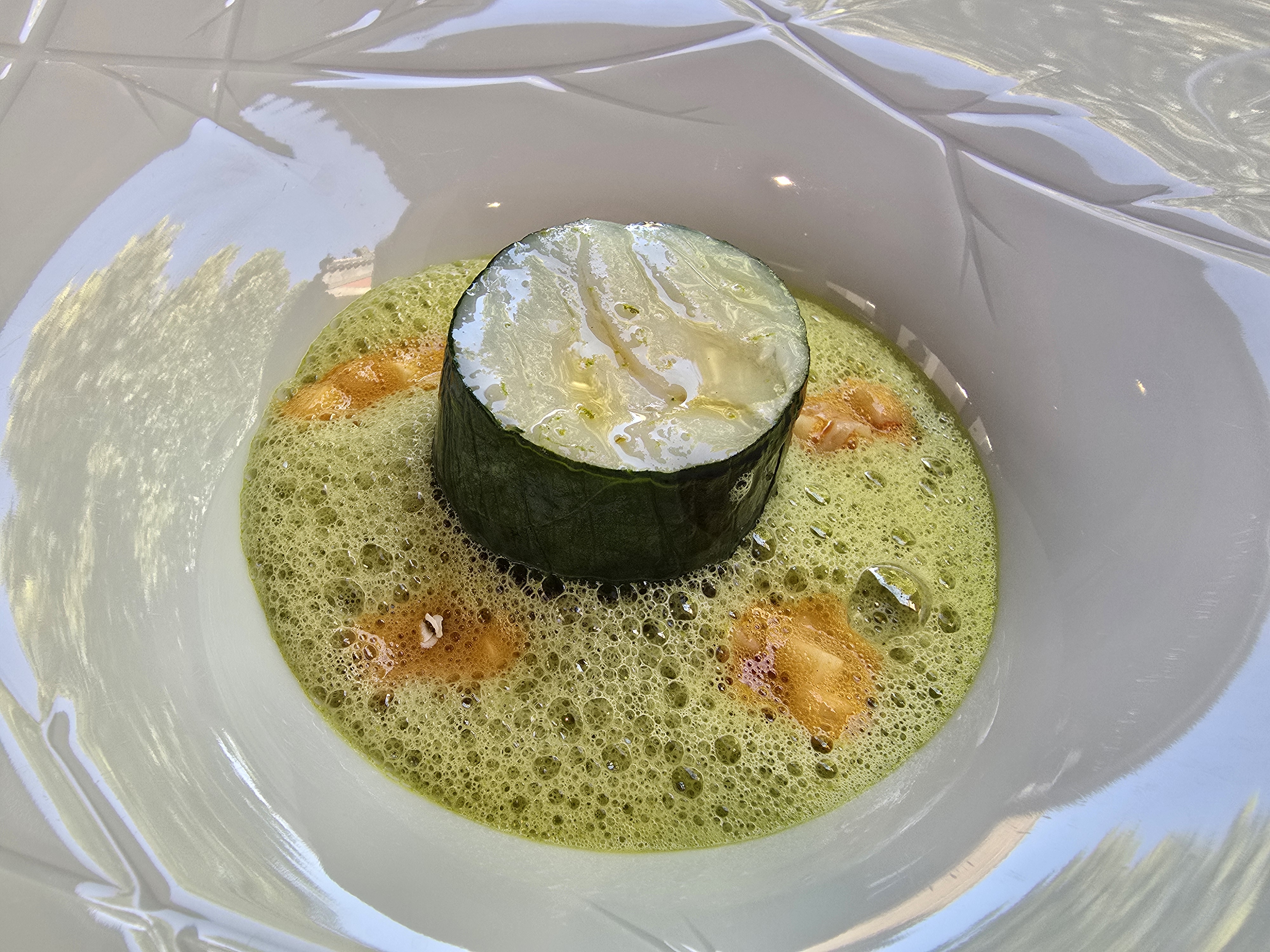
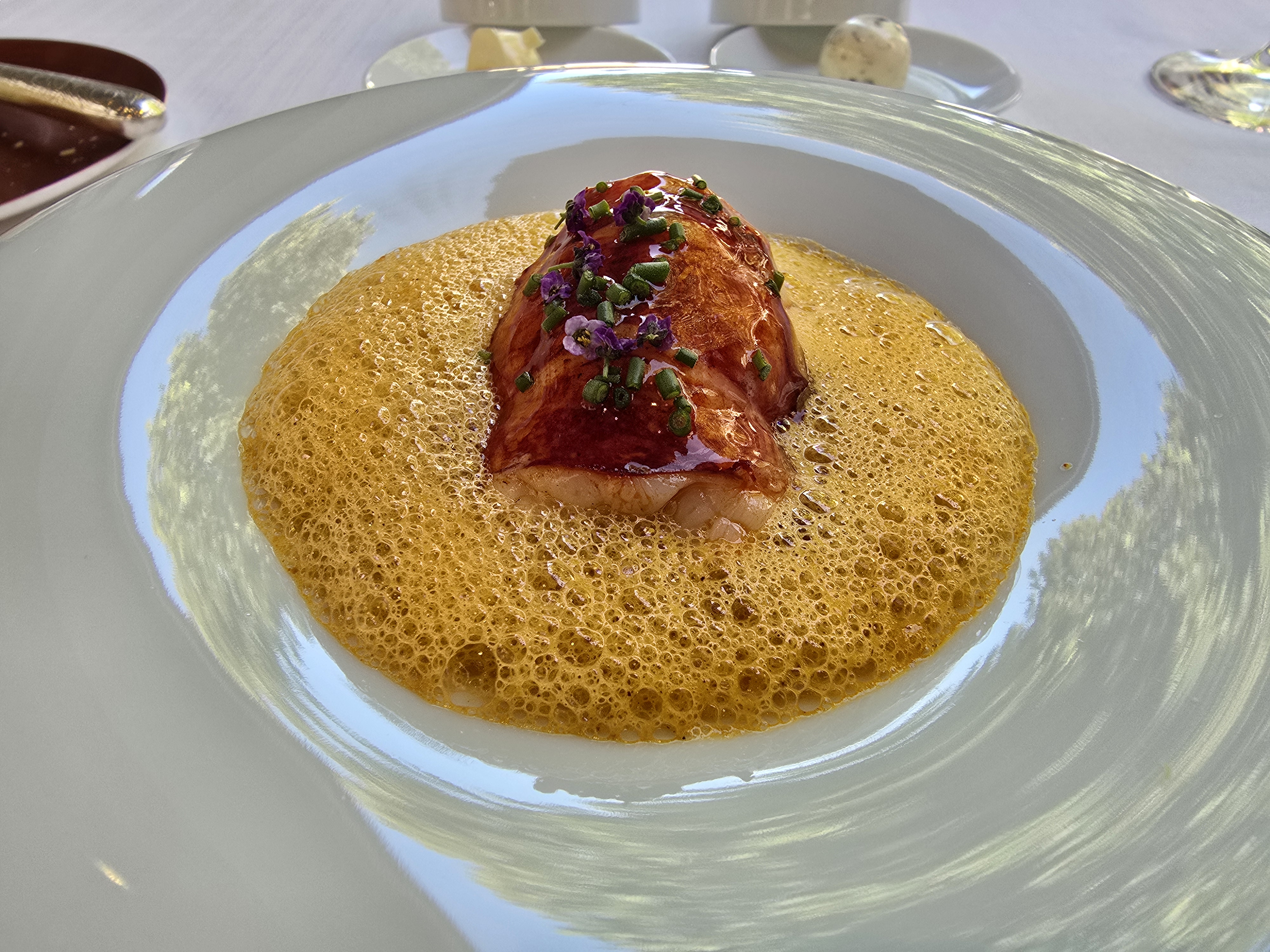


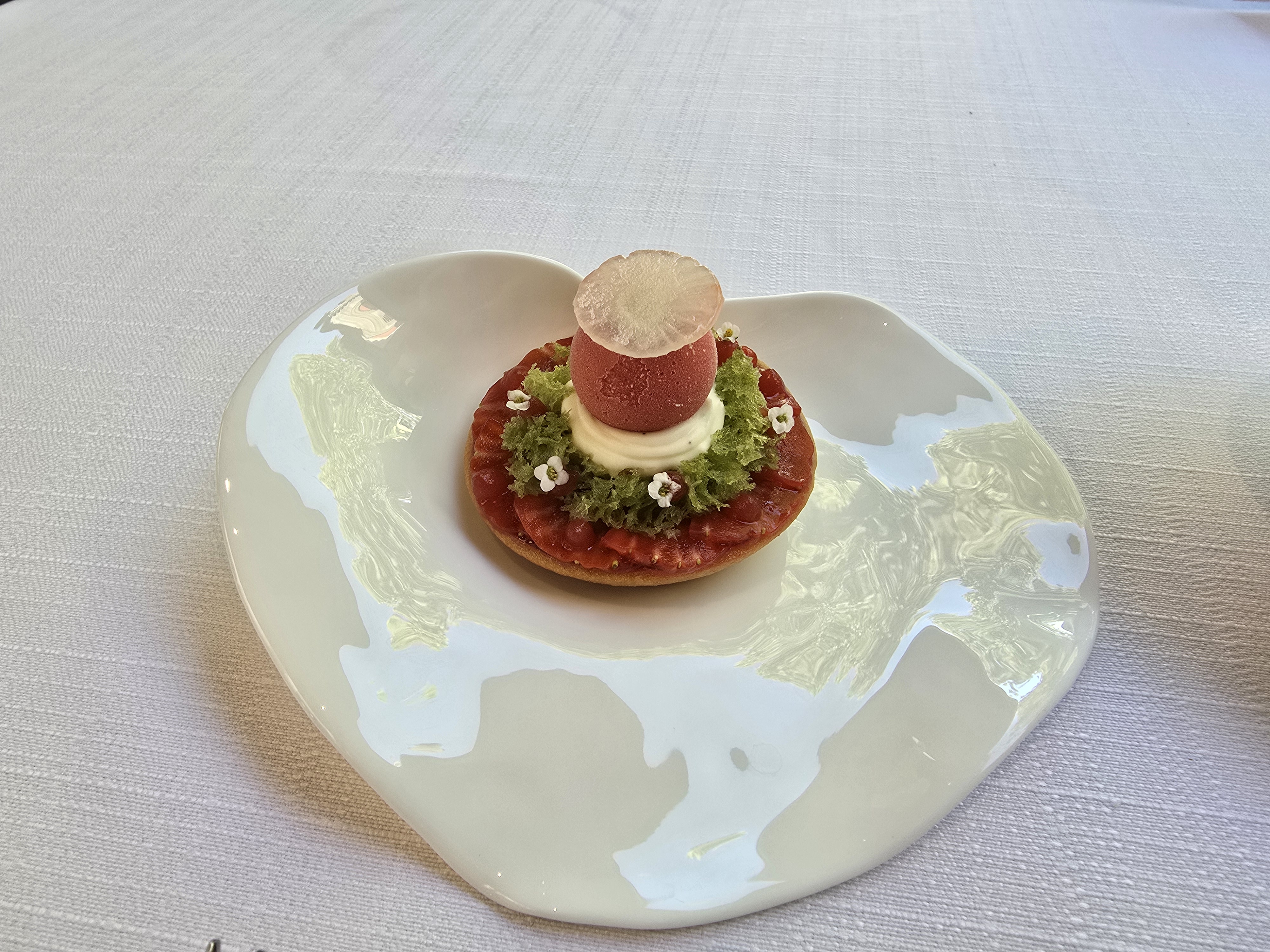

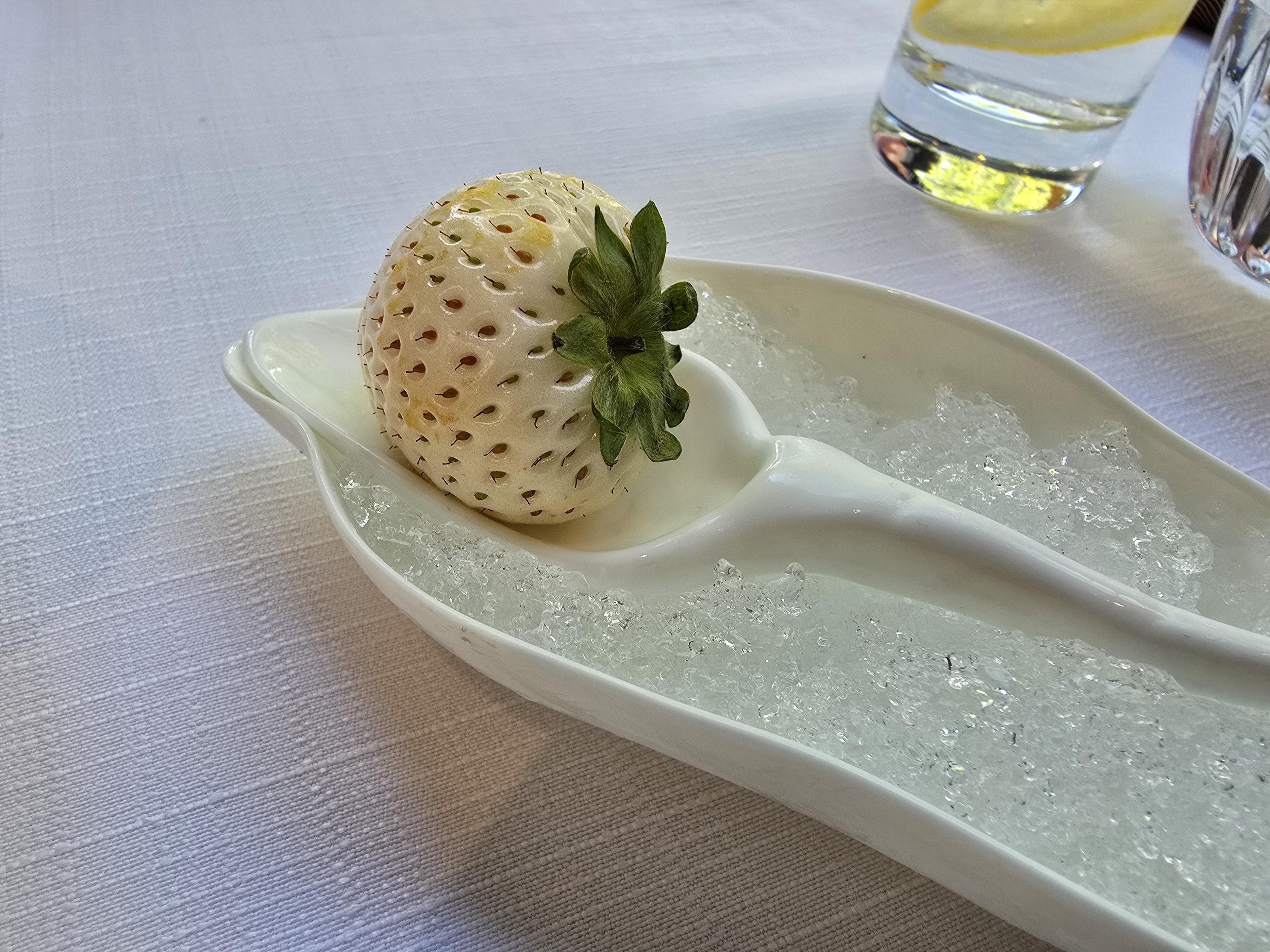

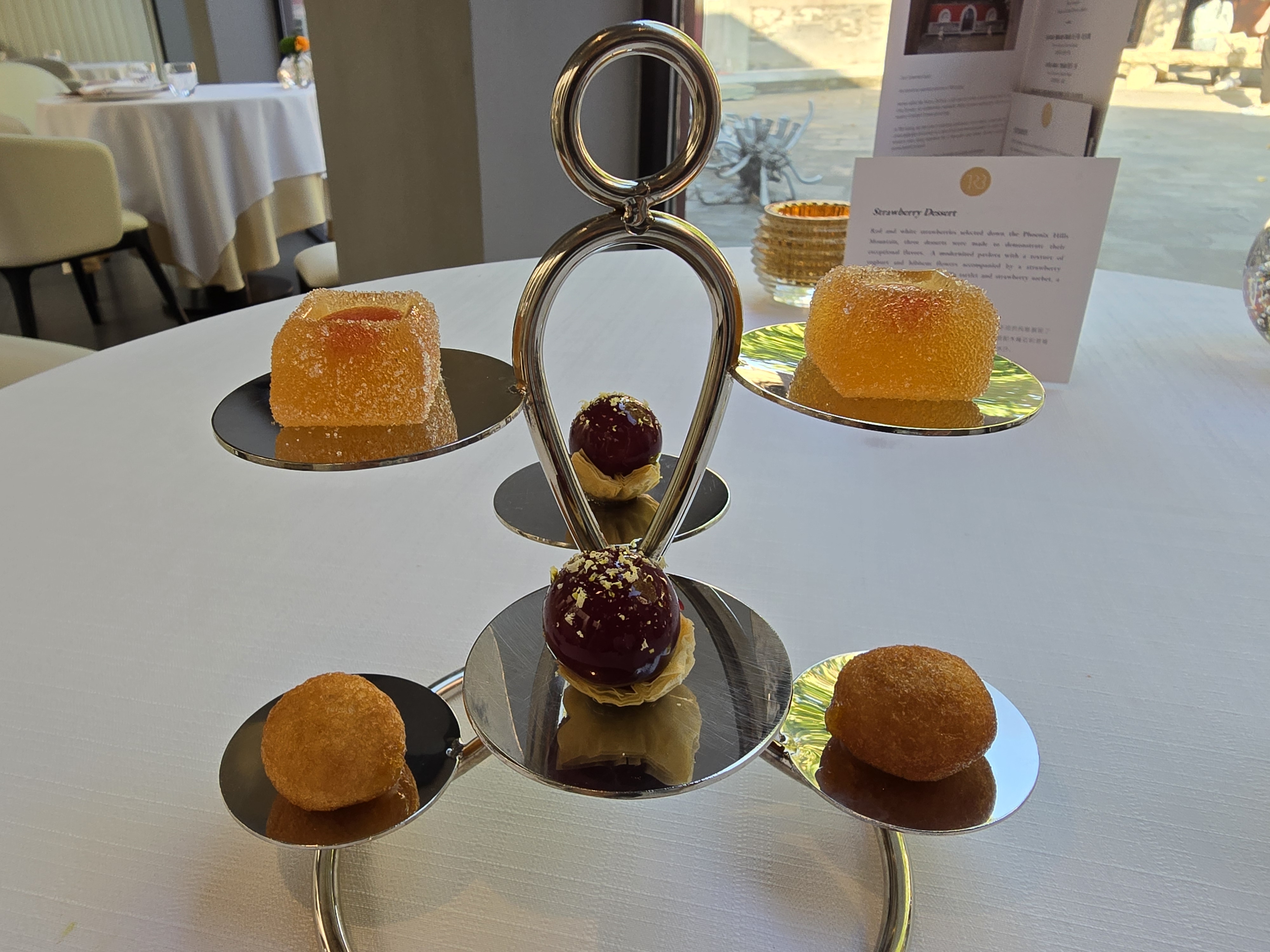
TRB Hutong · 胡同
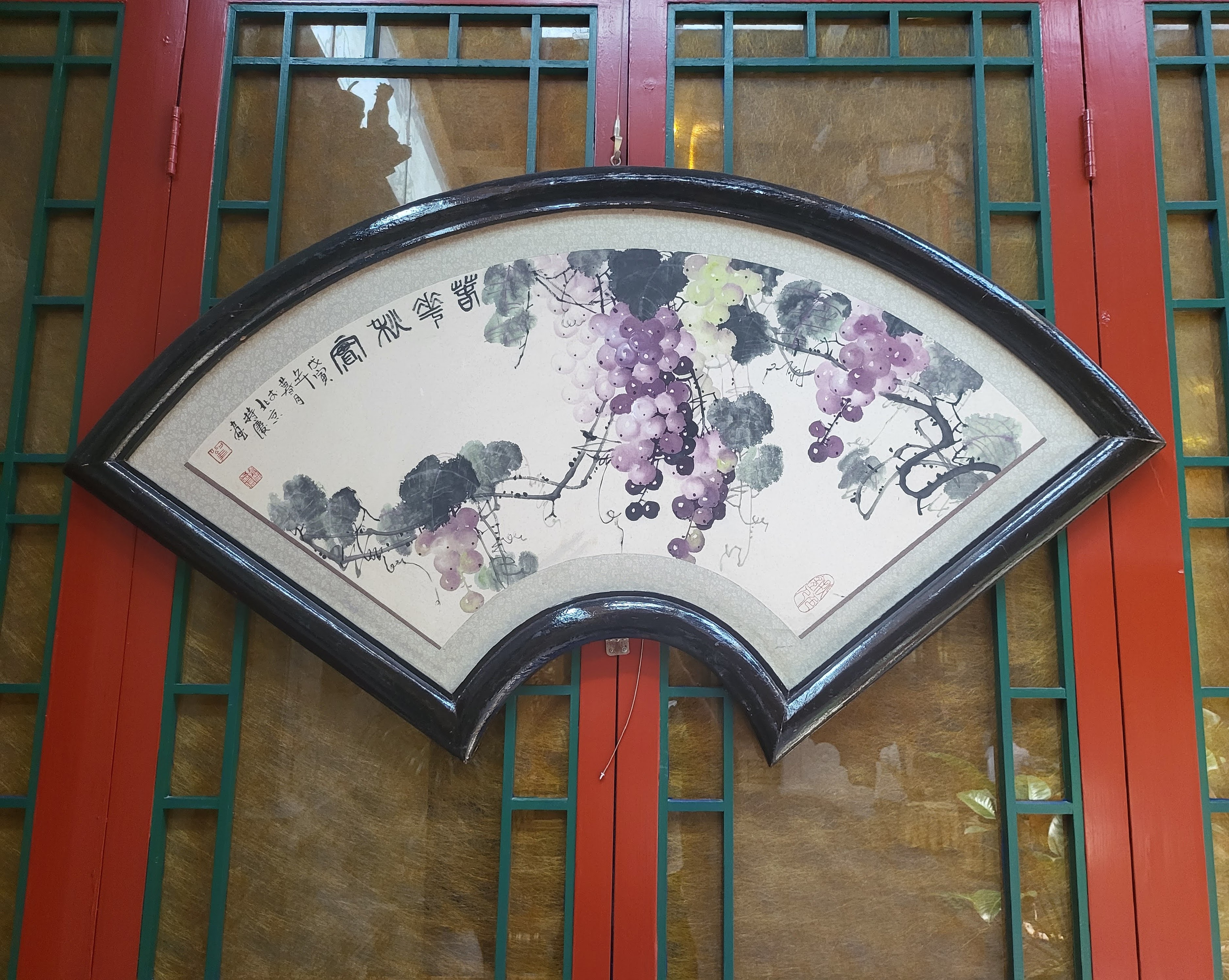
The restaurant occupies part of Beijing’s historic Songzhu Temple complex. Inside, contemporary furniture and circular display frames sit within the courtyard setting.
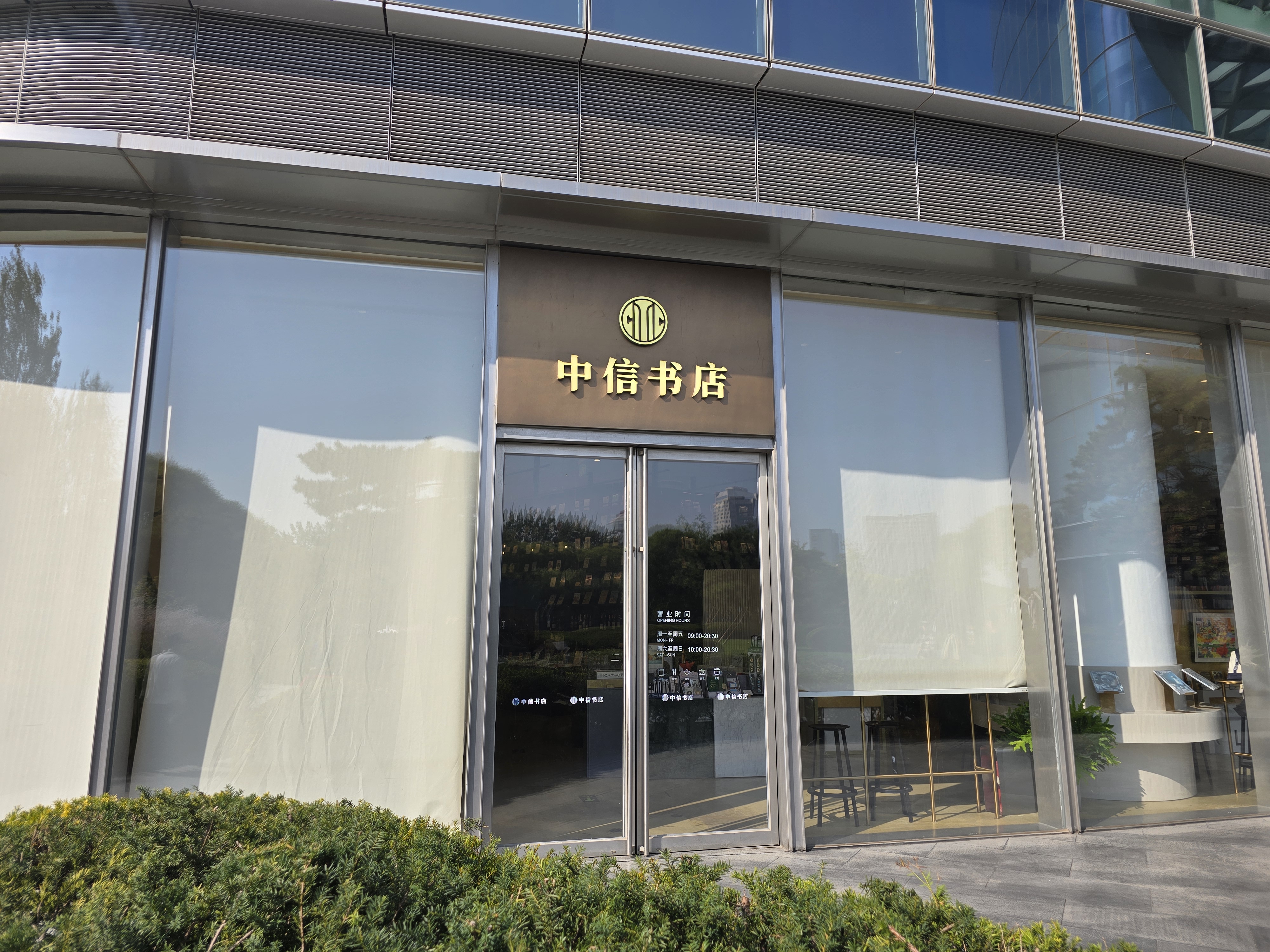
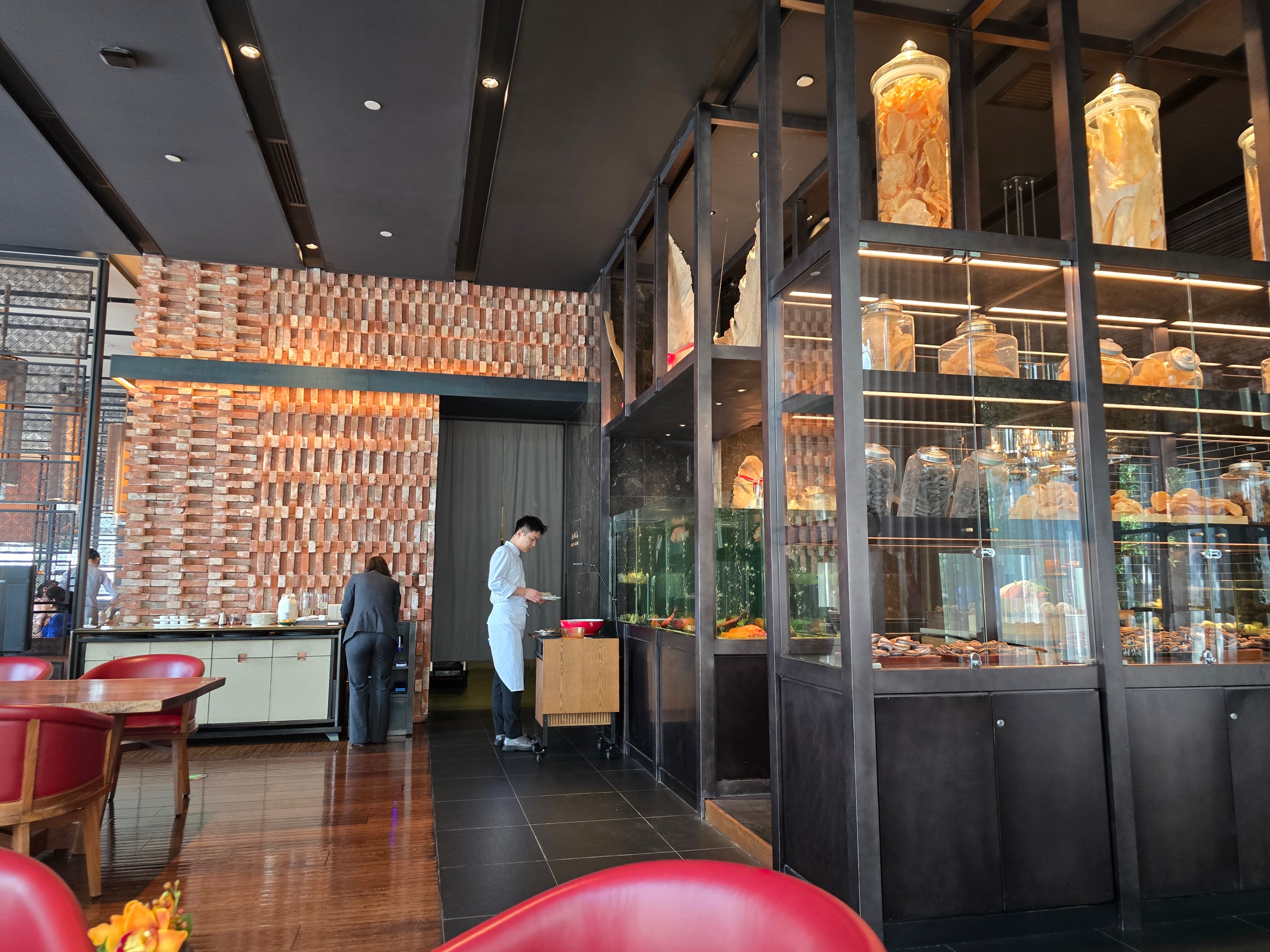

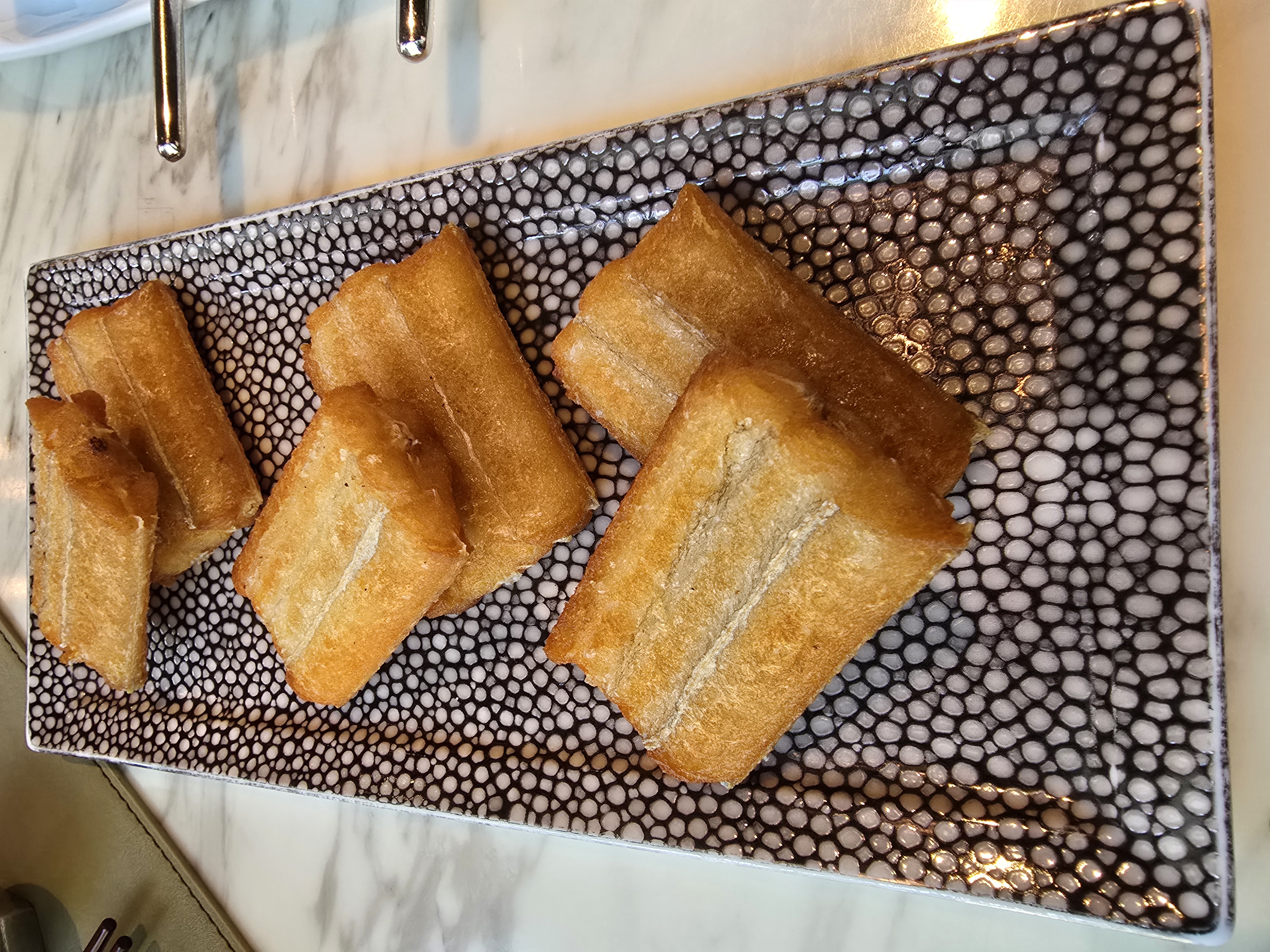
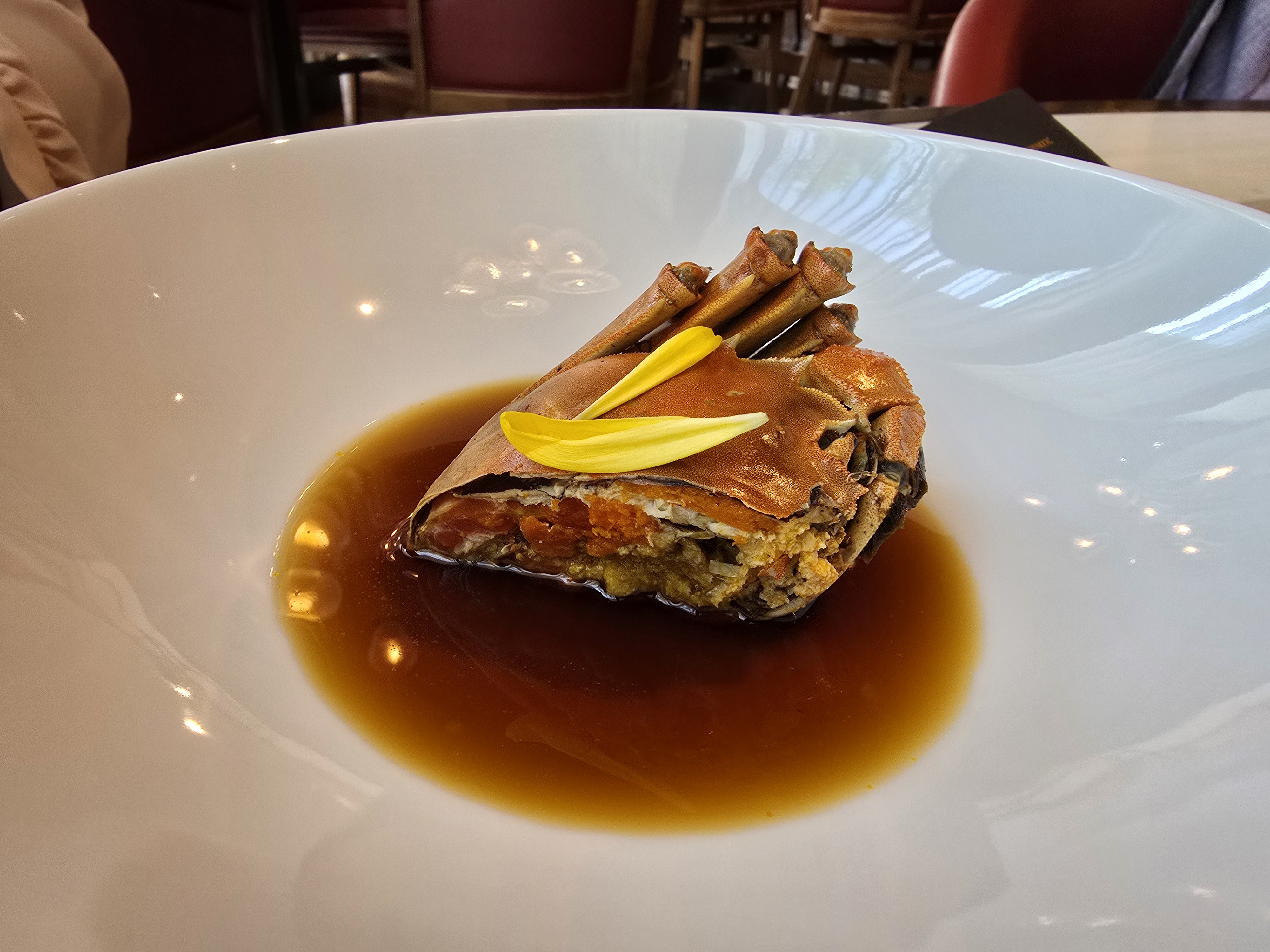
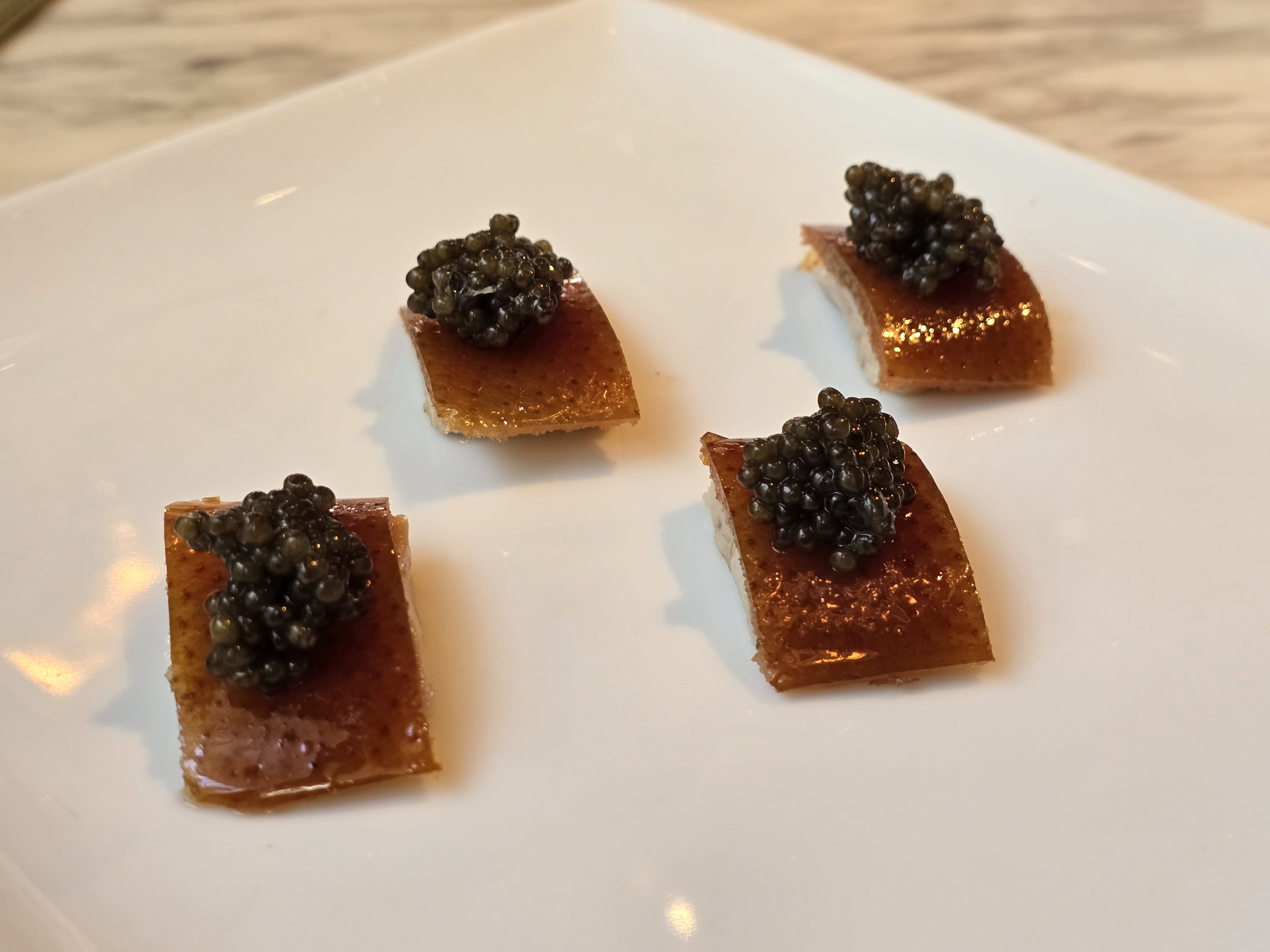

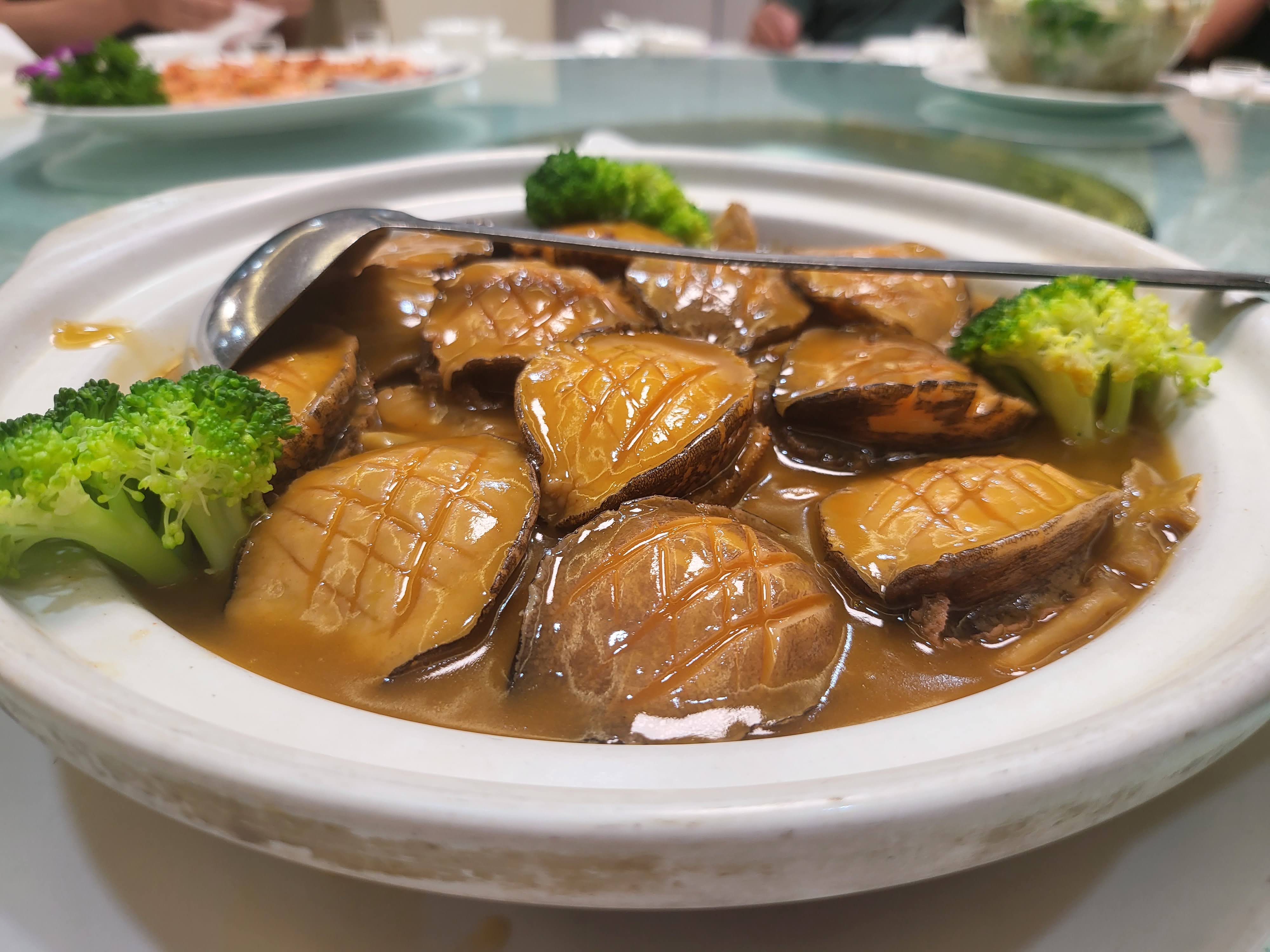
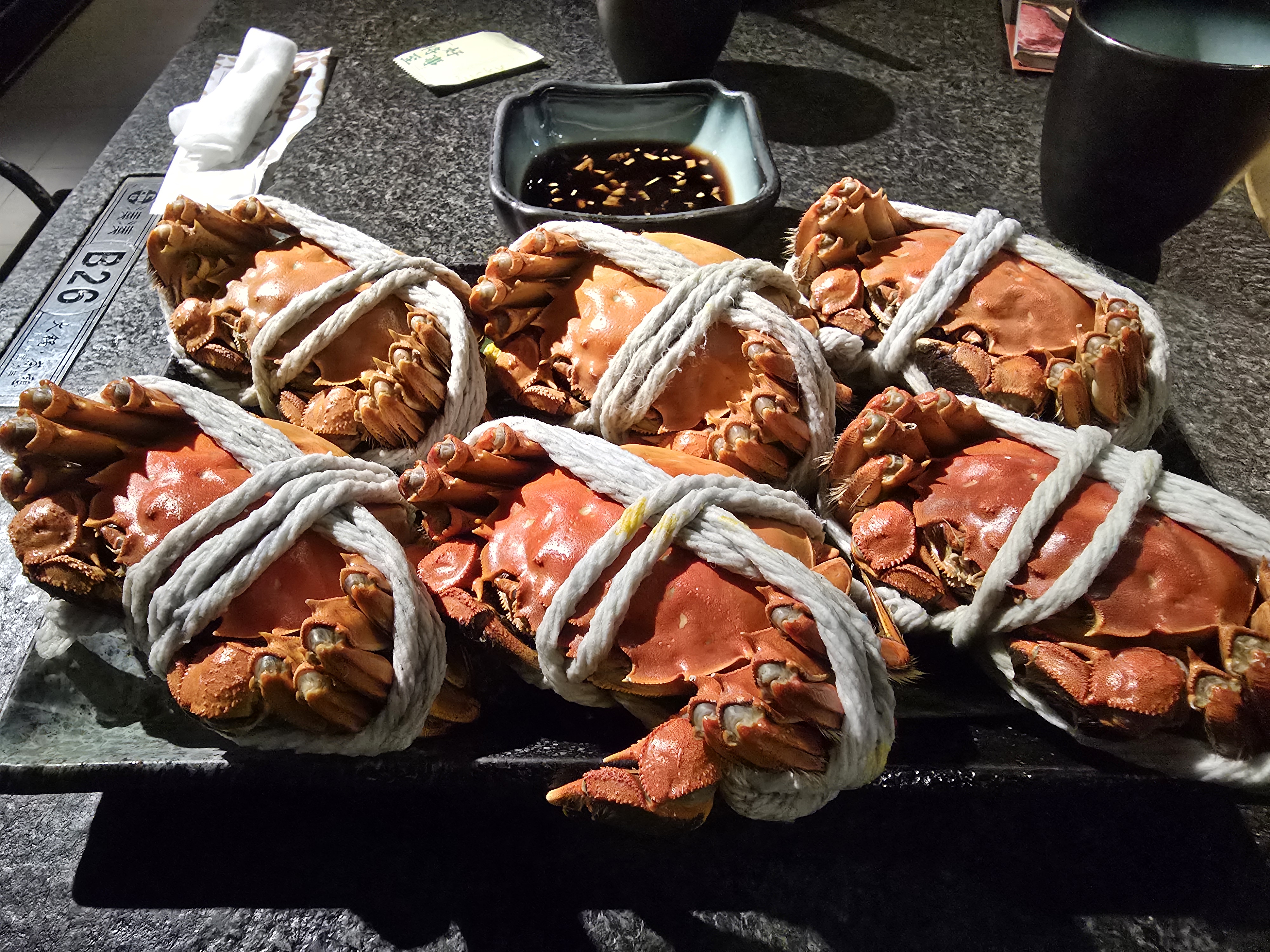
Xin Rong Ji · 新荣记
Taizhou cuisine from Zhejiang is the focus here, with seafood central to the menu. Its gold-lettered entrance leads into a contemporary dining room.
More at the table
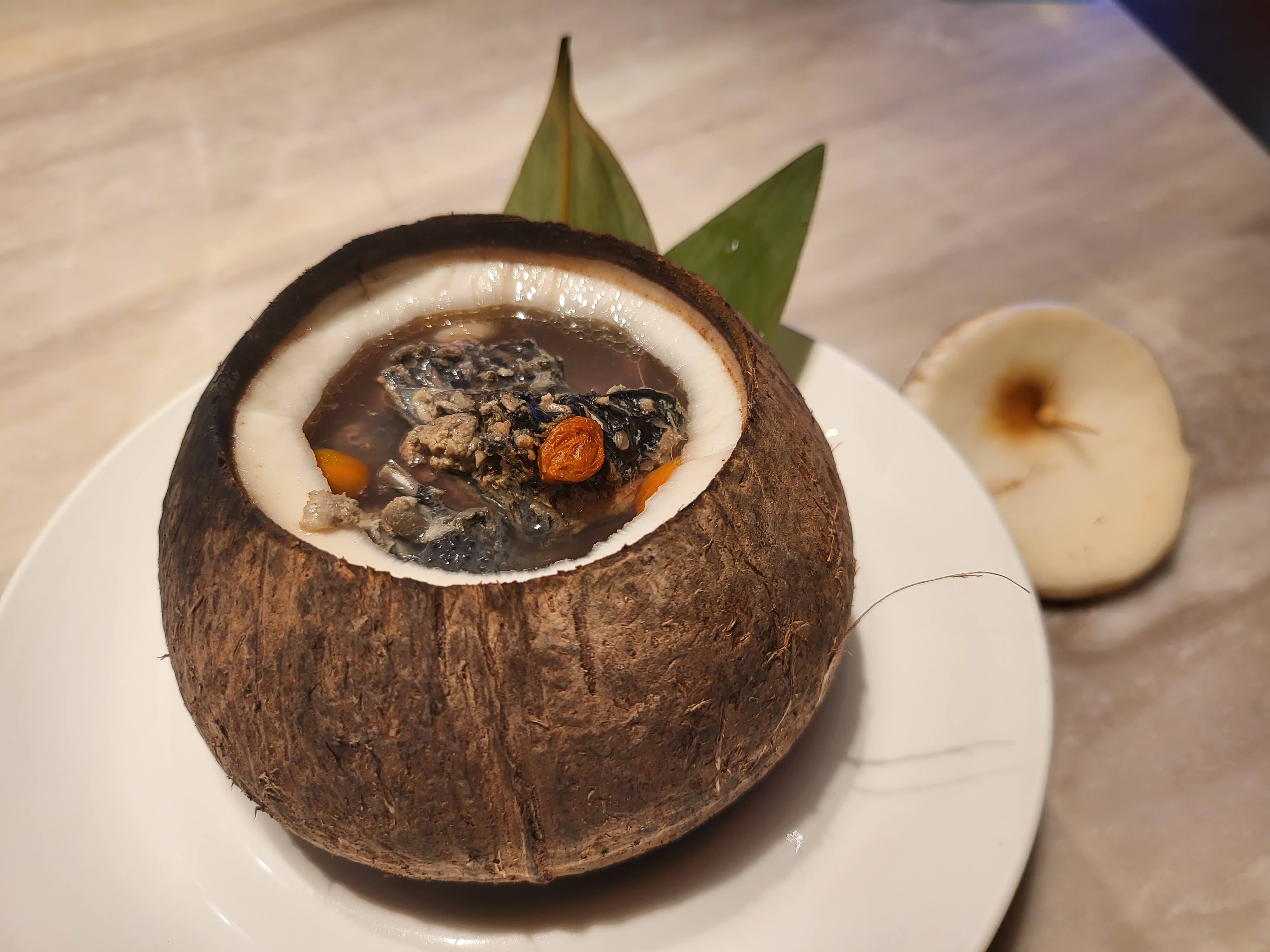
Black silken chicken soup with goji berries, served in a whole coconut. Dark pieces of chicken sit in the broth beneath the red berries, with the cut coconut lid set alongside.


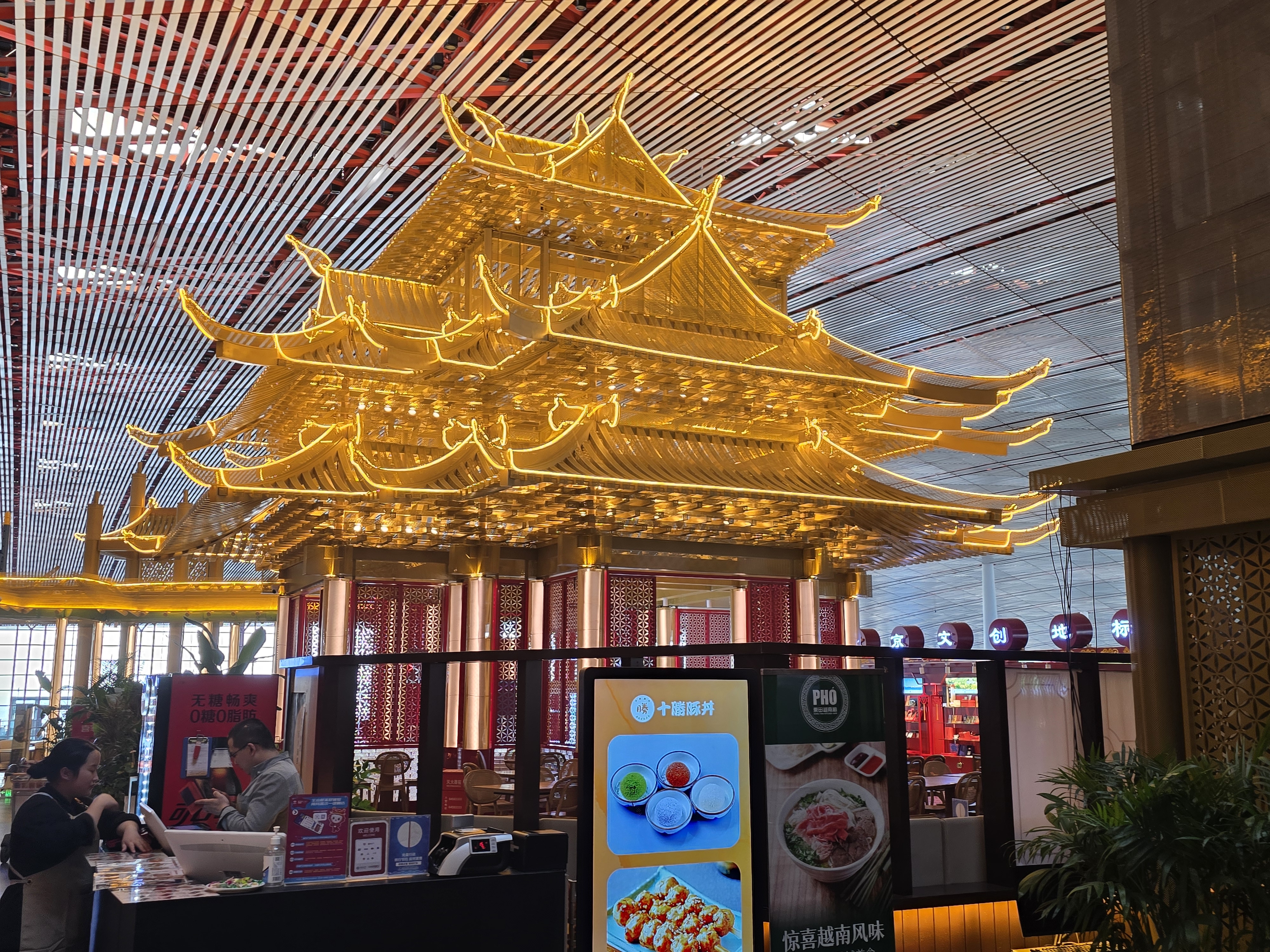
Beijing Airport
A Beijing welcome sign inside the airport terminal. The illuminated city graphic introduces the destination through its skyline and landmarks.
A capital in layers
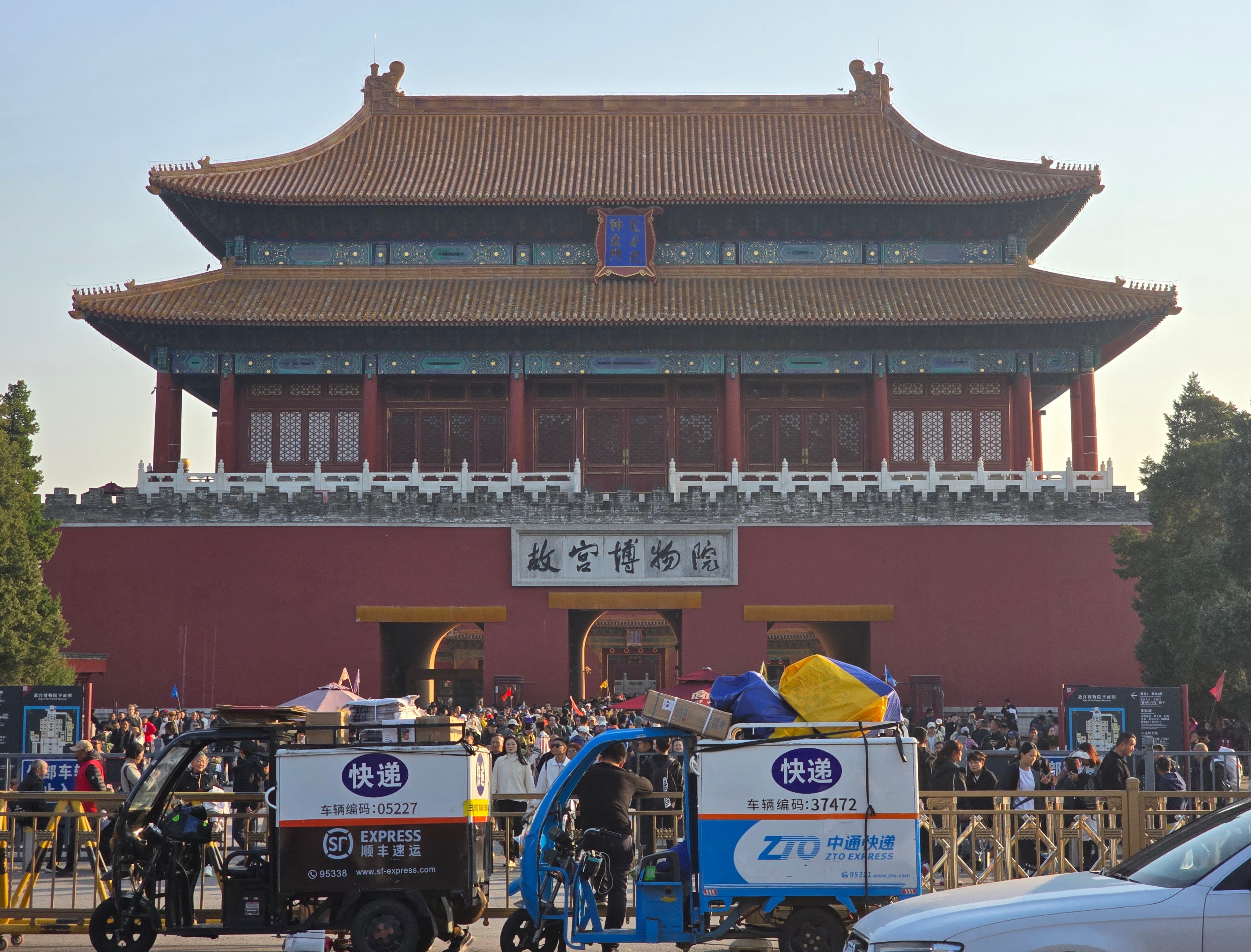
The Forbidden City was the imperial palace of the Ming and Qing dynasties. Its halls, courtyards, and ceremonial axis remain central to the city’s historic landscape.
At the Temple of Heaven, imperial ceremonies linked the emperor’s duties with prayers for harvests. The circular Hall of Prayer for Good Harvests and the Imperial Vault of Heaven belong to this larger ritual complex.
The Great Wall carries the journey beyond the city into the mountains, where watchtowers and stone parapets trace the ridgelines.
Background: UNESCO: Imperial Palaces, Temple of Heaven, and The Great Wall. Dining notes: TRB Hutong and Fangshan Restaurant.

Animator, designer, and illustrator
Sharing is caring
If you found value in this blog post, please take a moment to share it.