between gardens and glass
April 11, 2023
The Merlion and Marina Bay make an unmistakable introduction to Singapore. Beyond the waterfront, the city opens into temple courtyards, colorful shophouse streets, indoor gardens, and restaurants.
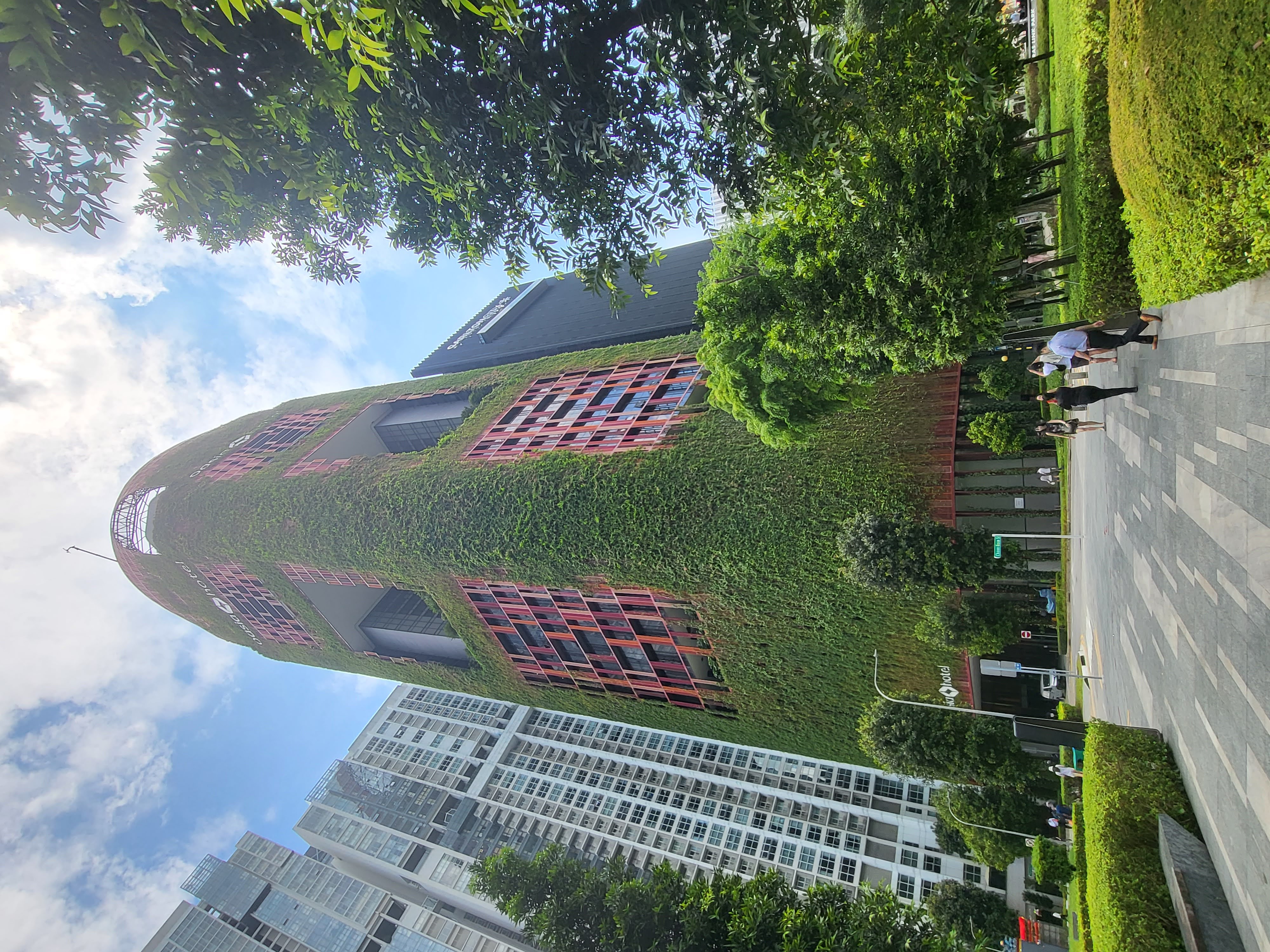
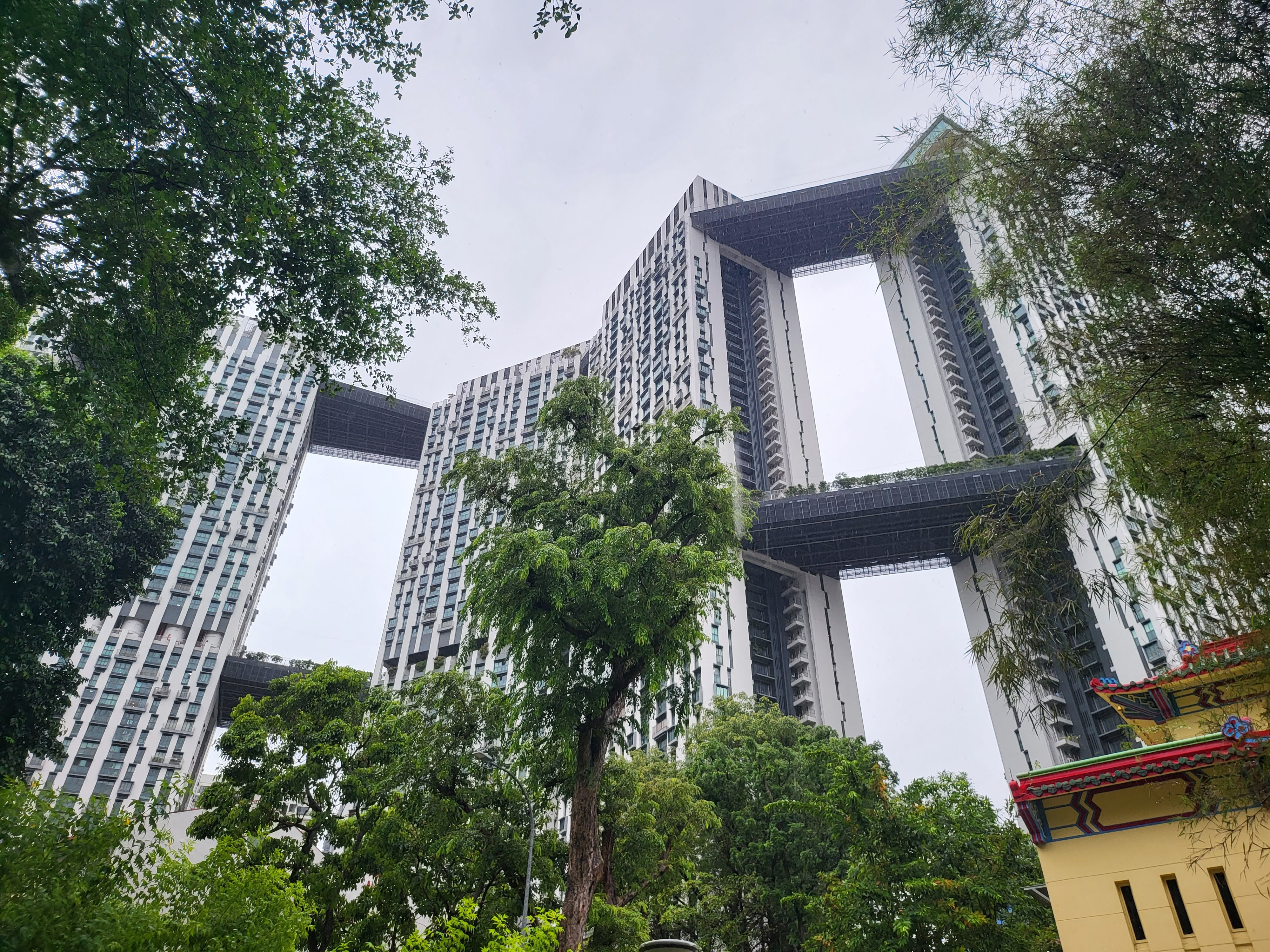
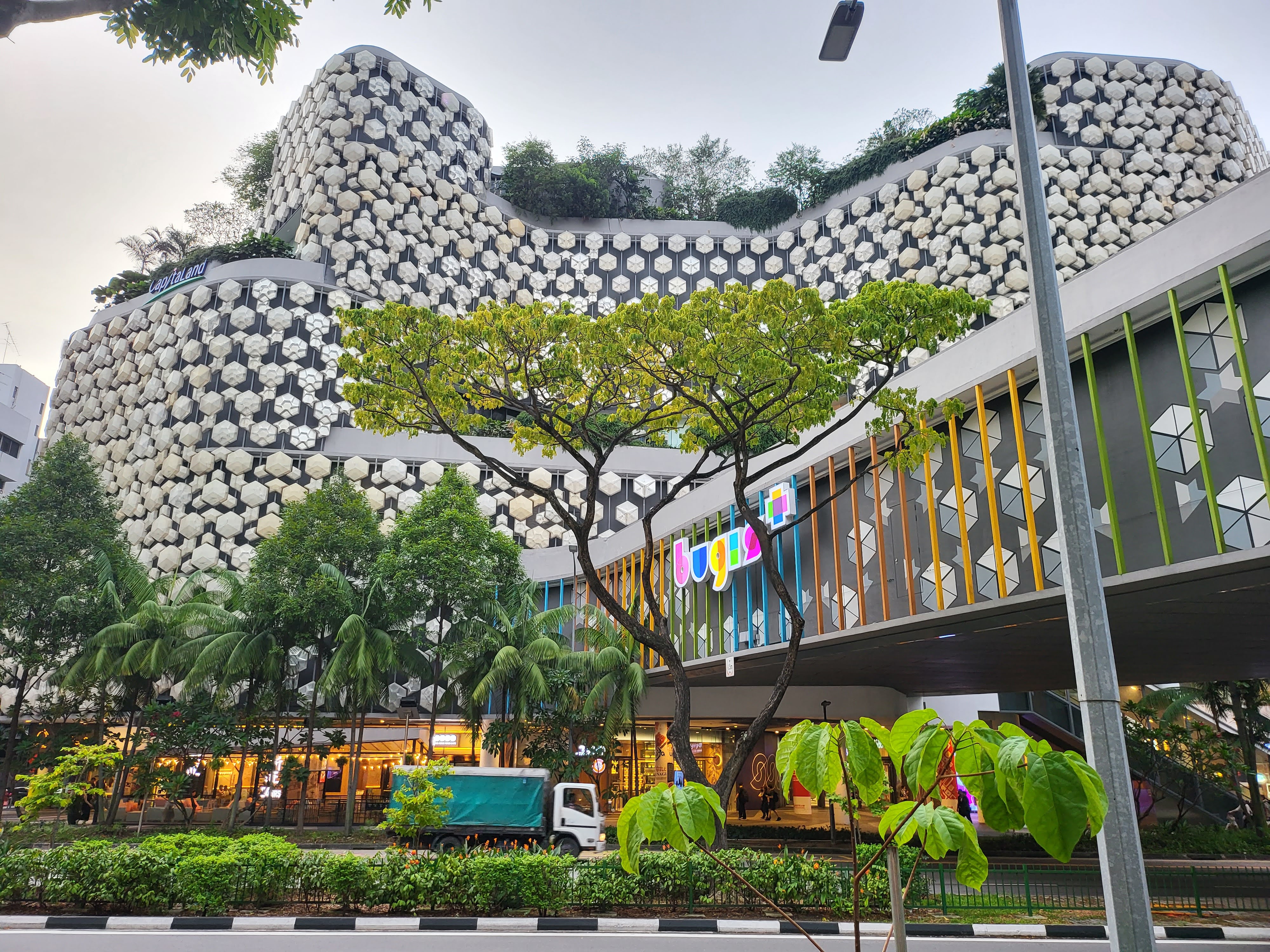
What stayed with me was how much greenery belongs to the buildings themselves—trees on elevated terraces, vines over concrete edges, and entire façades covered in plants. Those everyday encounters were as memorable as the landmarks.
φ
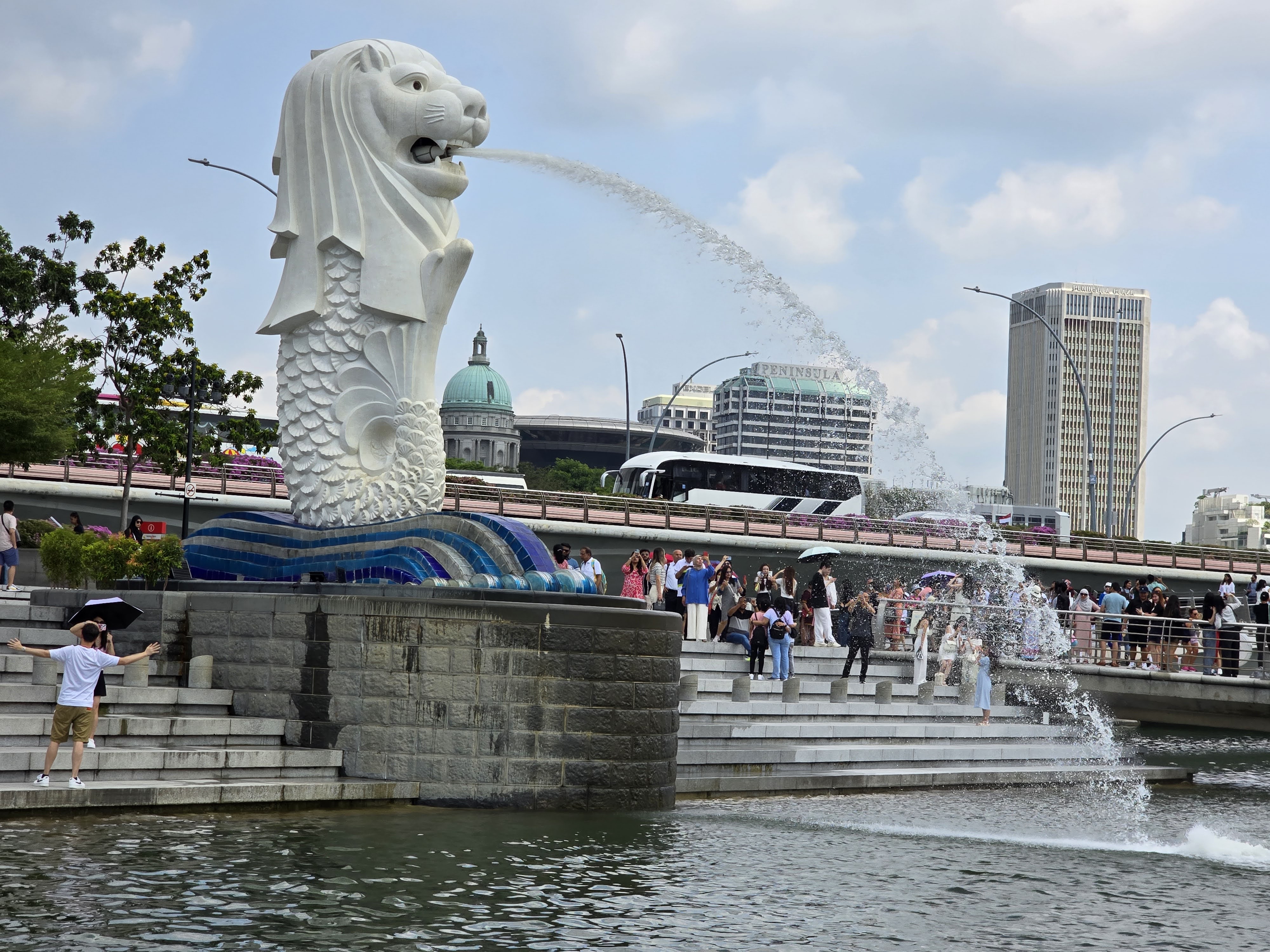
The Merlion
Half lion and half fish, this emblem combines Singapura’s “Lion City” name with the island’s fishing-village origins. Water arcs from its mouth above the wave-shaped base at Merlion Park.
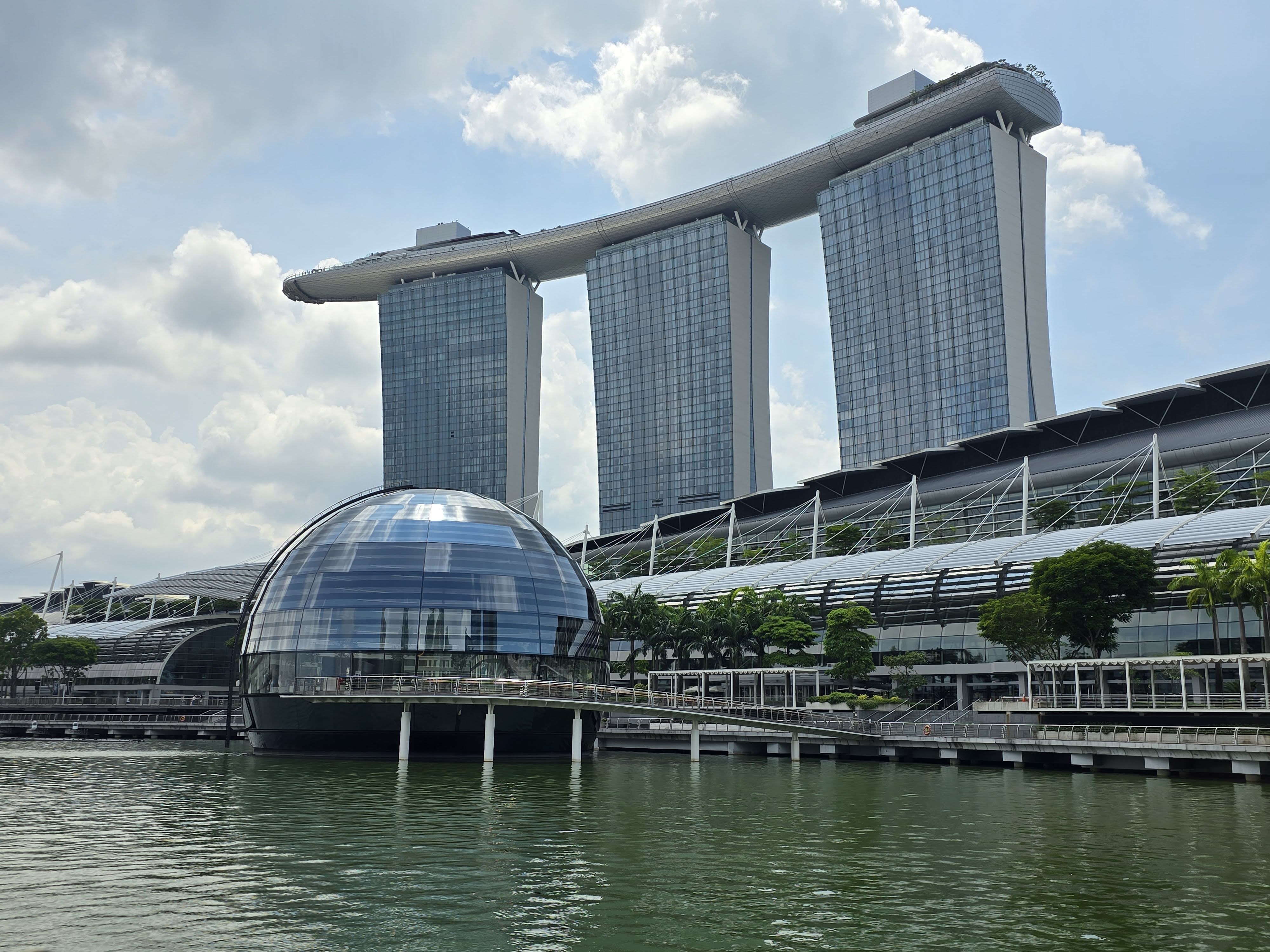


Marina Bay
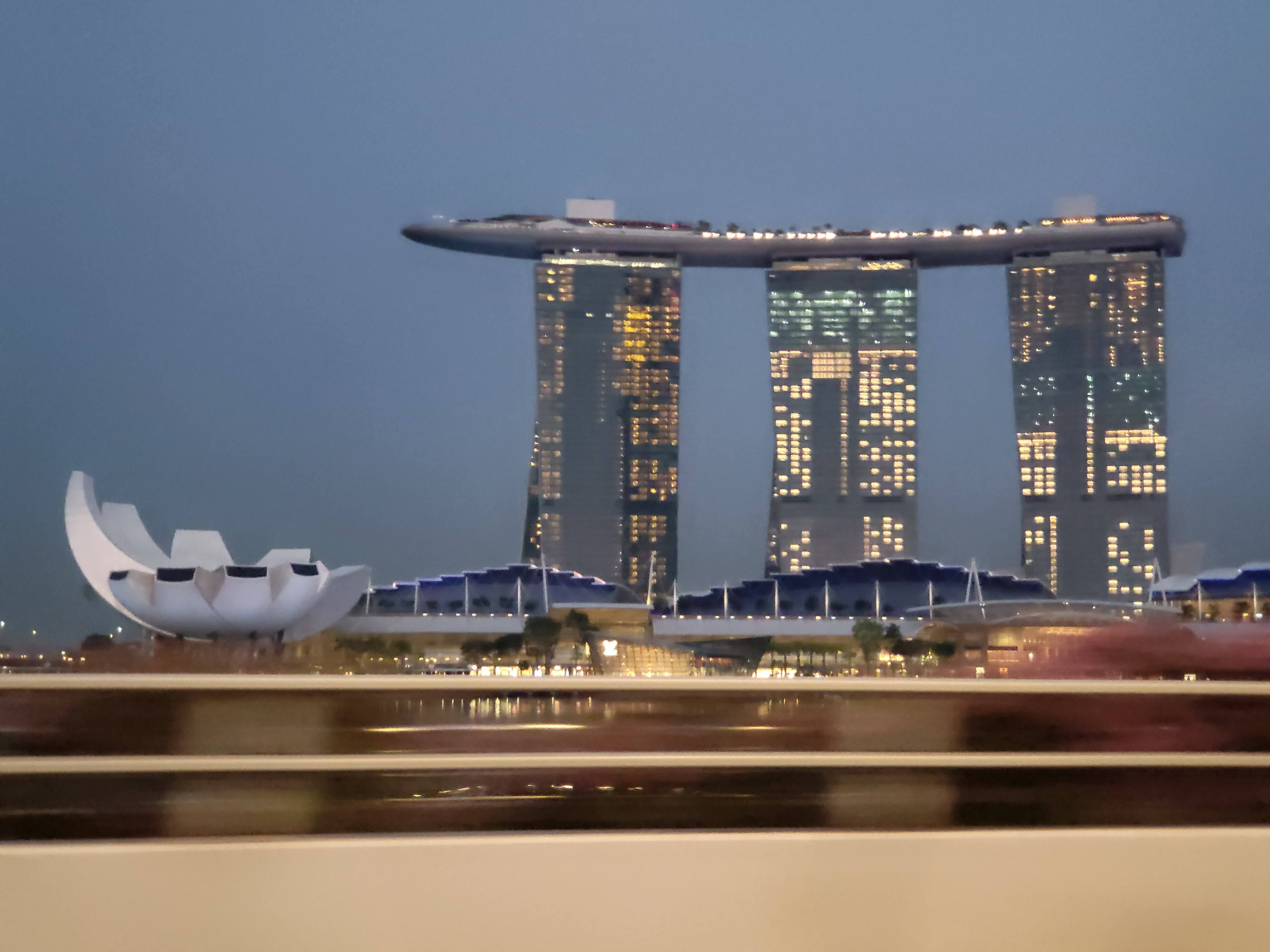
The three Marina Bay Sands towers carry the rooftop SkyPark above the waterfront. The glass sphere in front is Apple Marina Bay Sands, a store built directly on the water.


Green architecture
PARKROYAL COLLECTION Pickering, designed by WOHA, incorporates 15,000 square metres of greenery—roughly twice its site area. Palms, shrubs, and trailing plants fill terraces between the glass blocks.
Temples
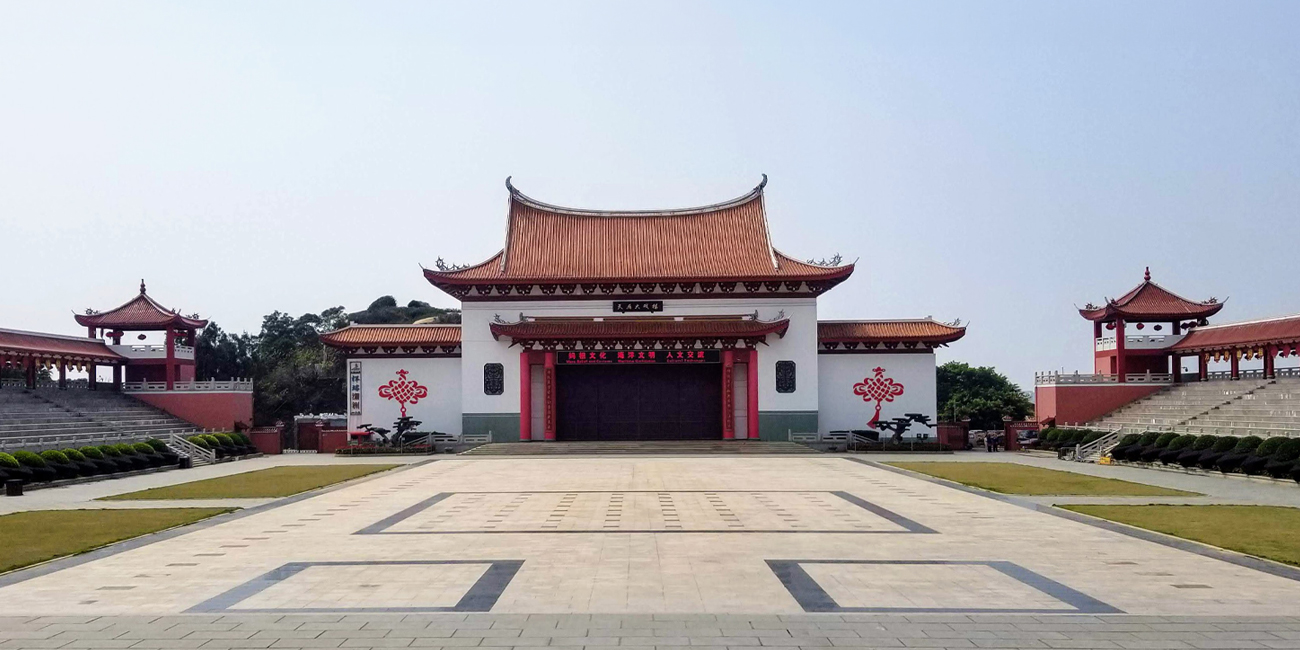
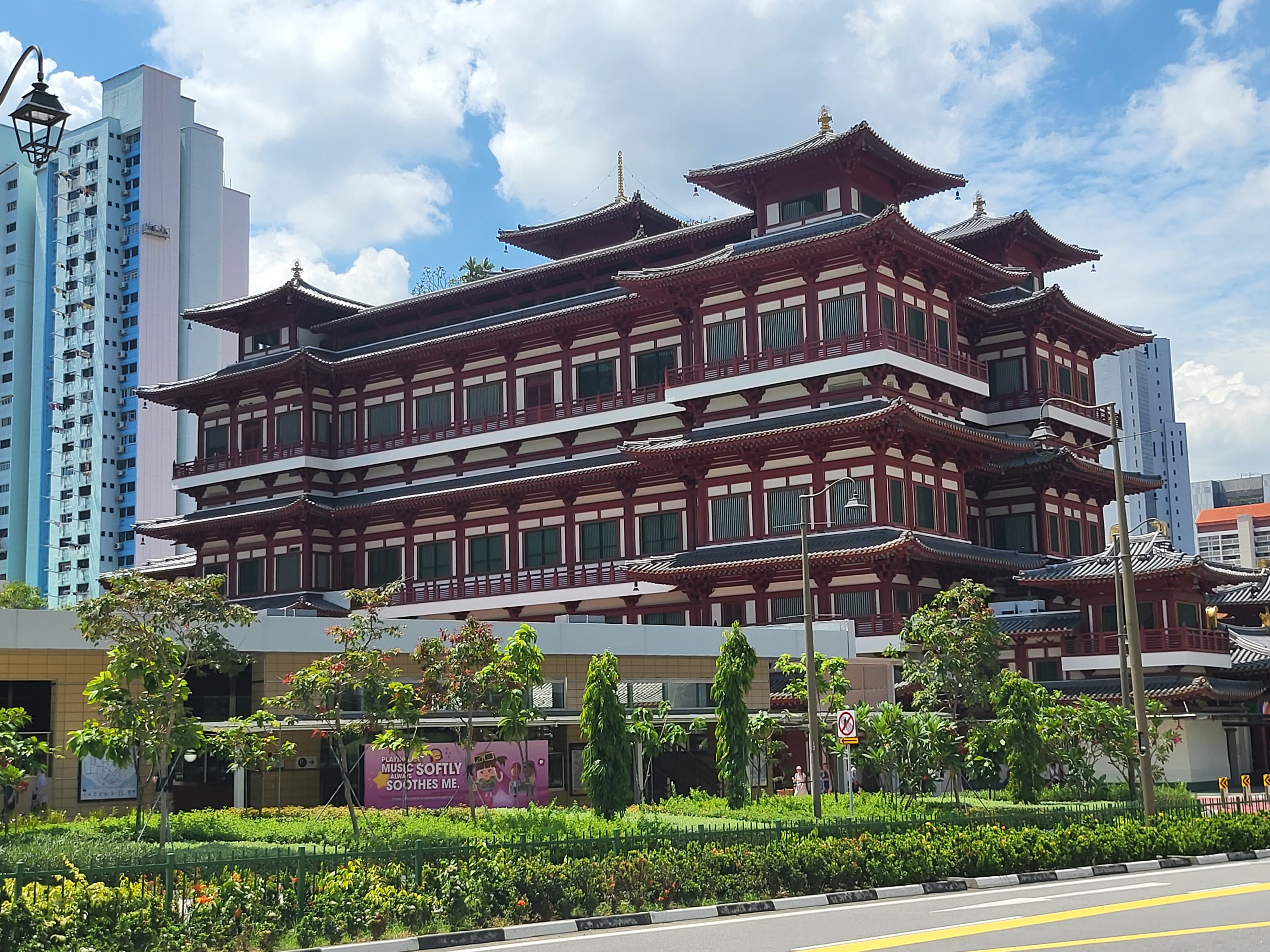
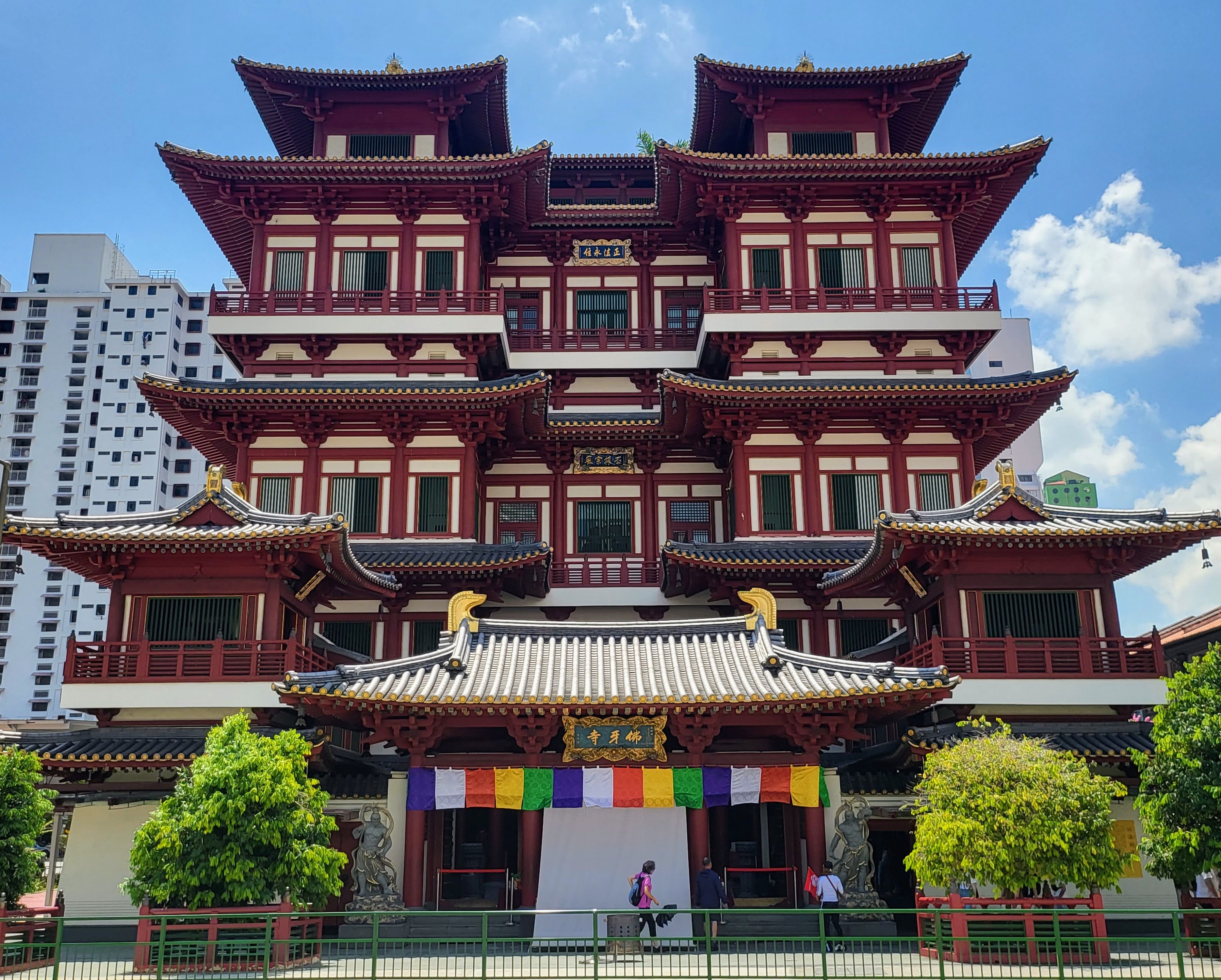
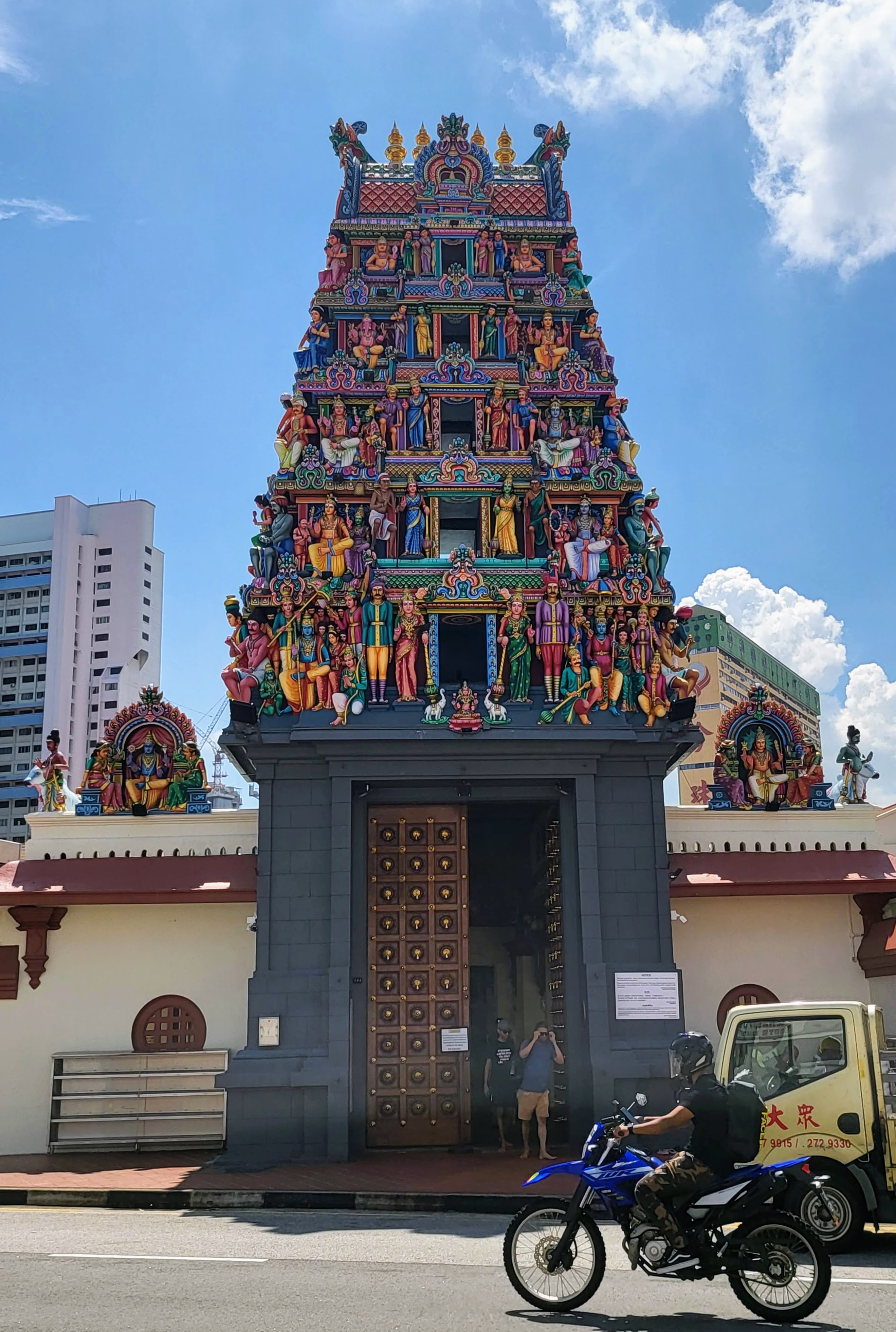
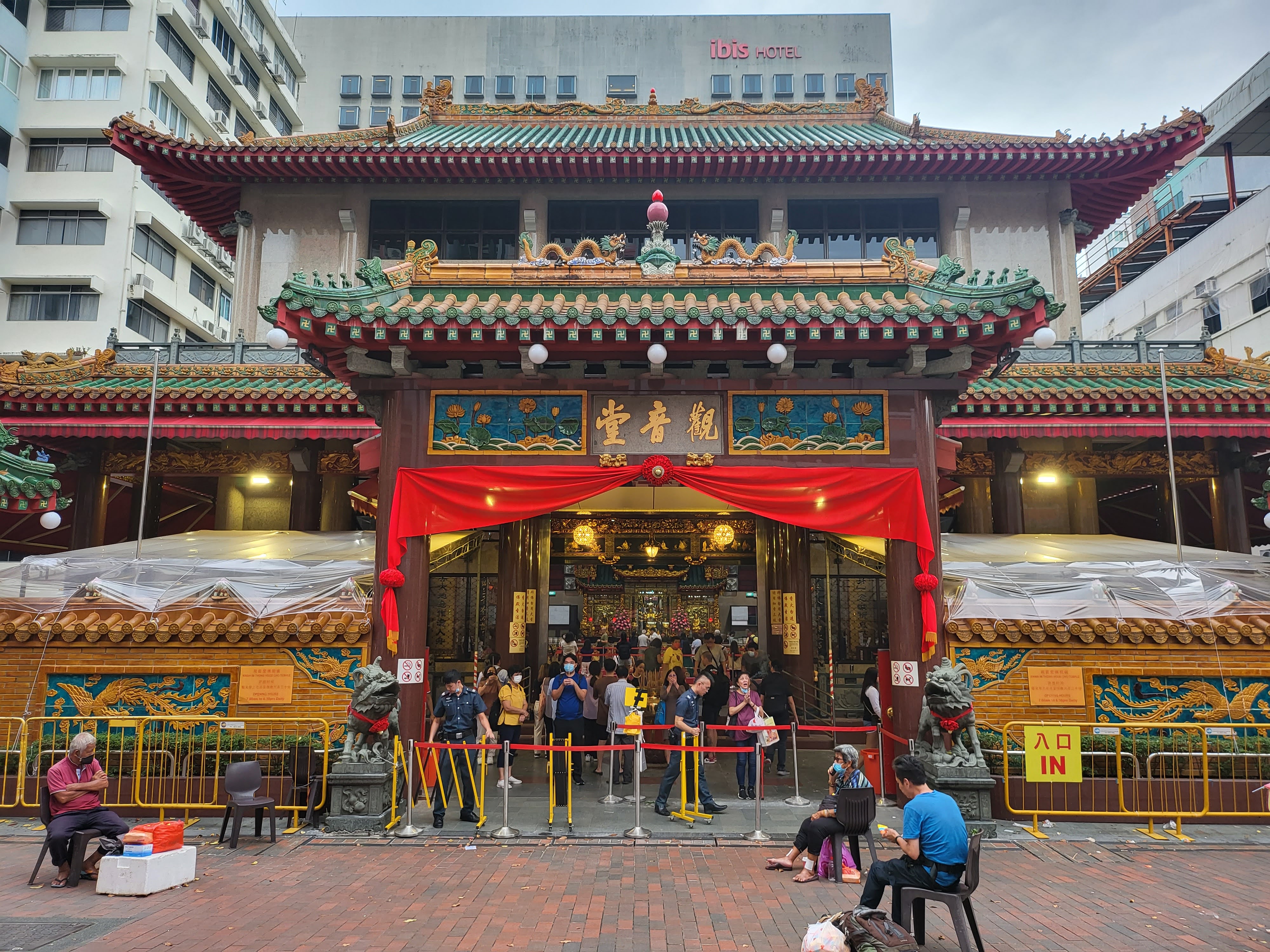
Buddha Tooth Relic Temple and Museum draws on Tang-dynasty architecture and the Buddhist mandala. Its stacked red-and-white roofs rise over South Bridge Road in Chinatown.
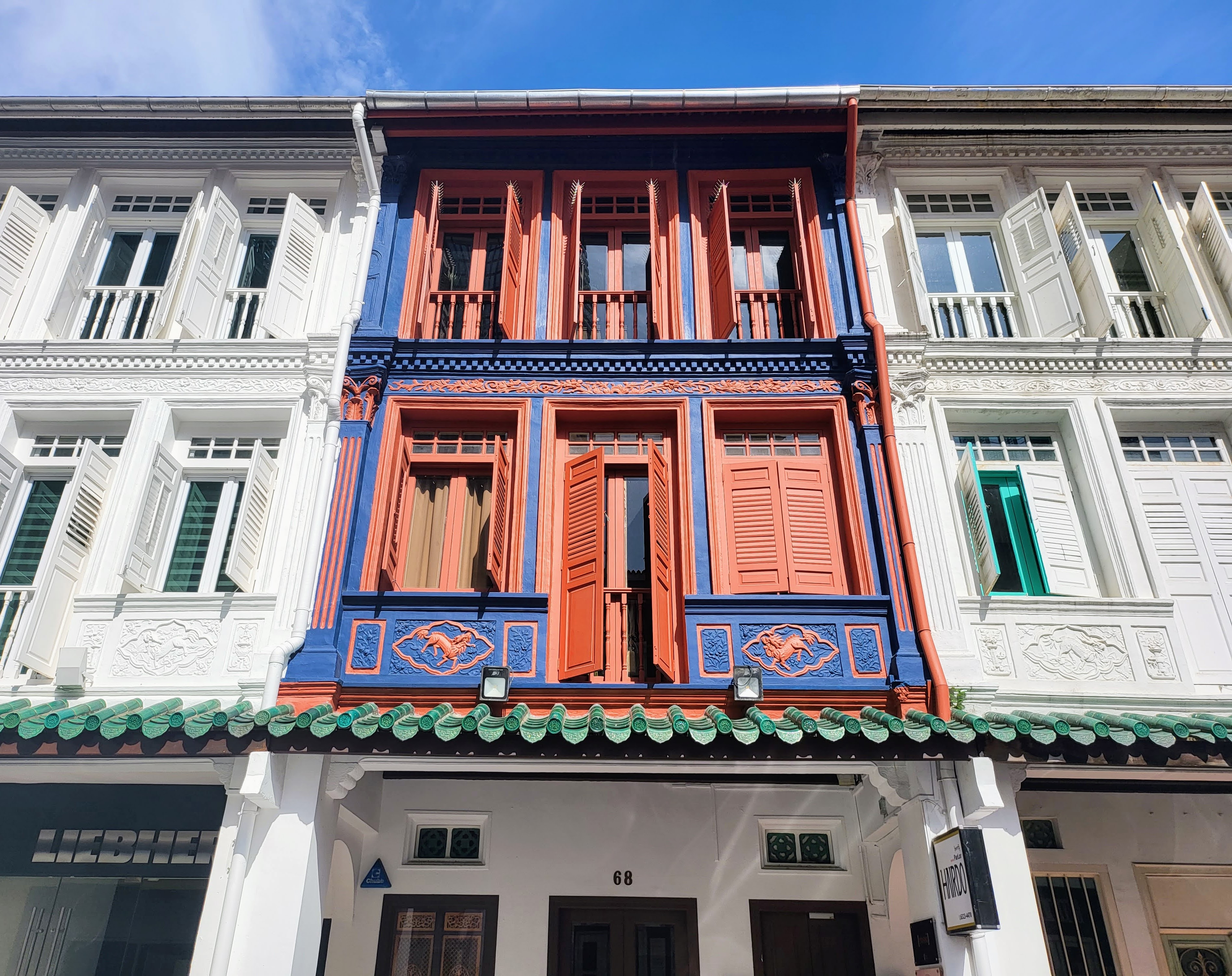
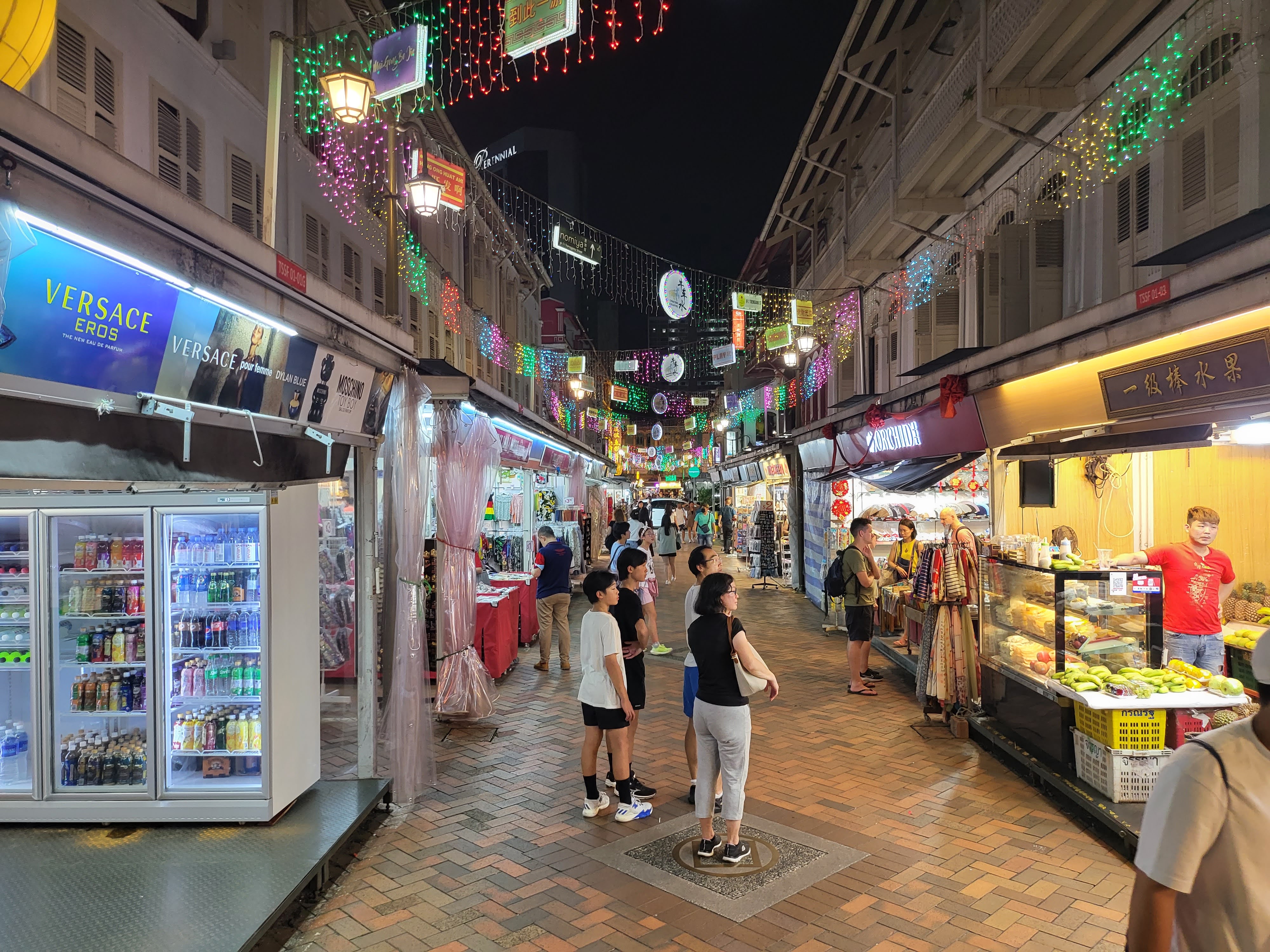
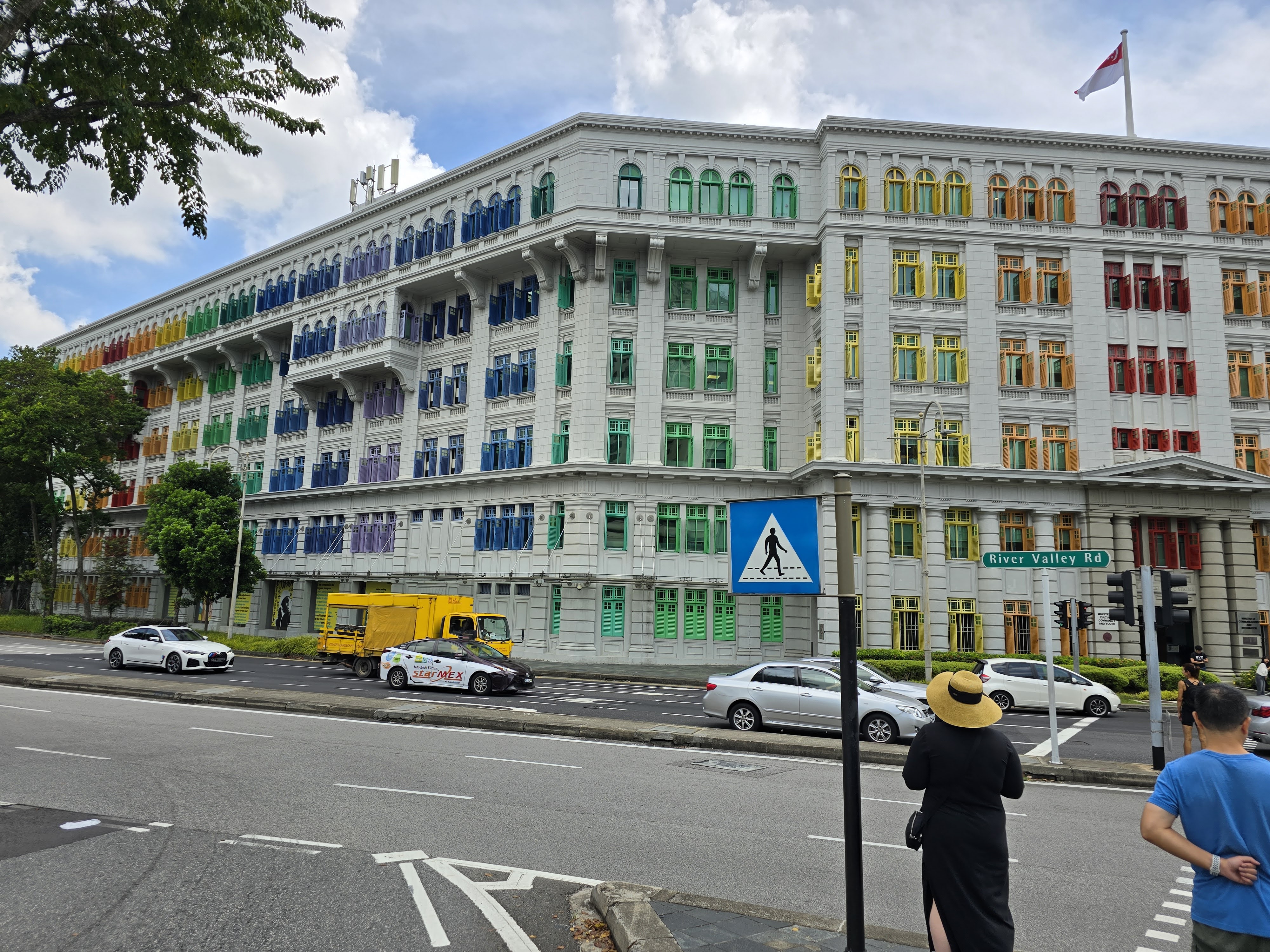
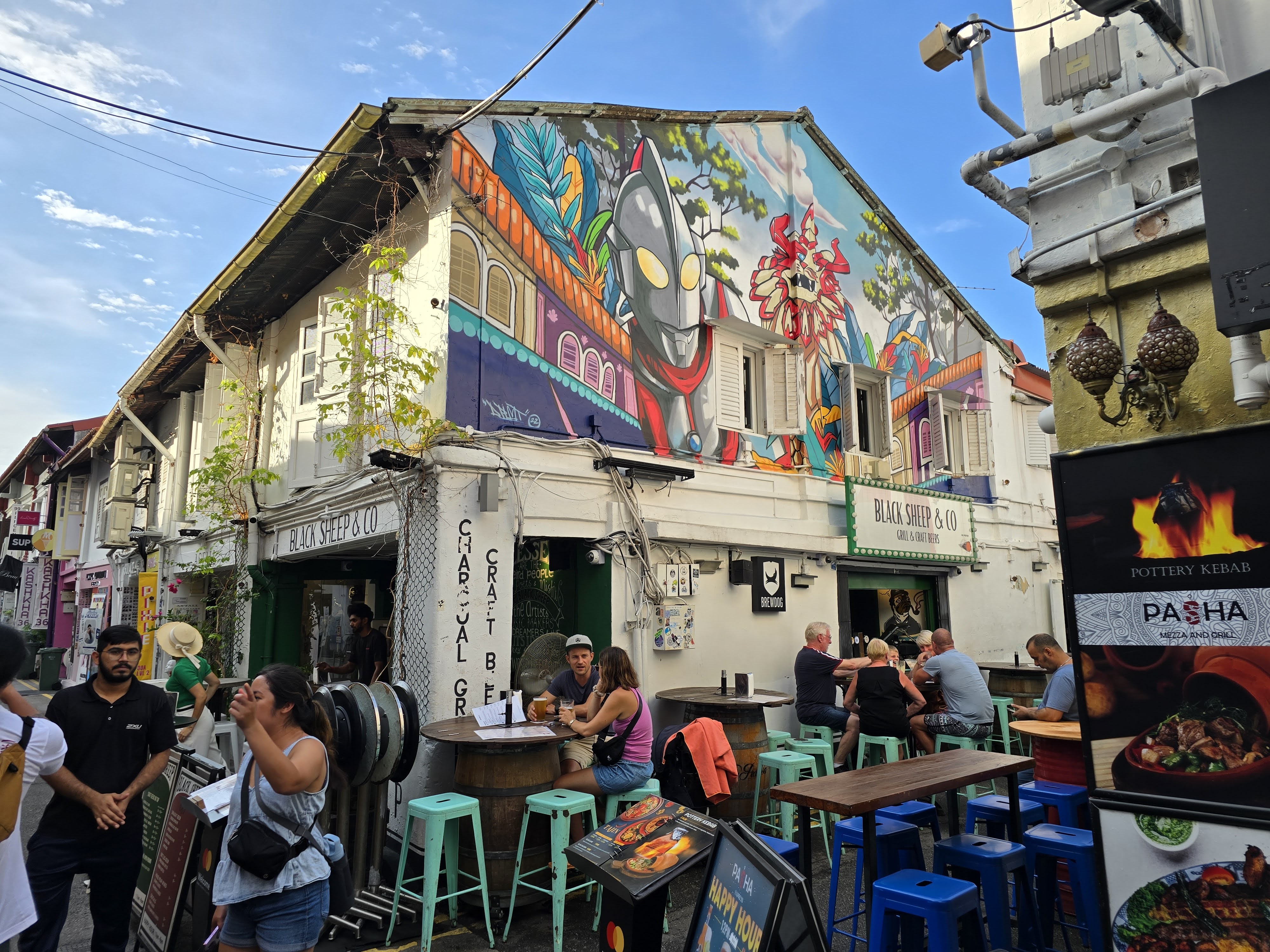
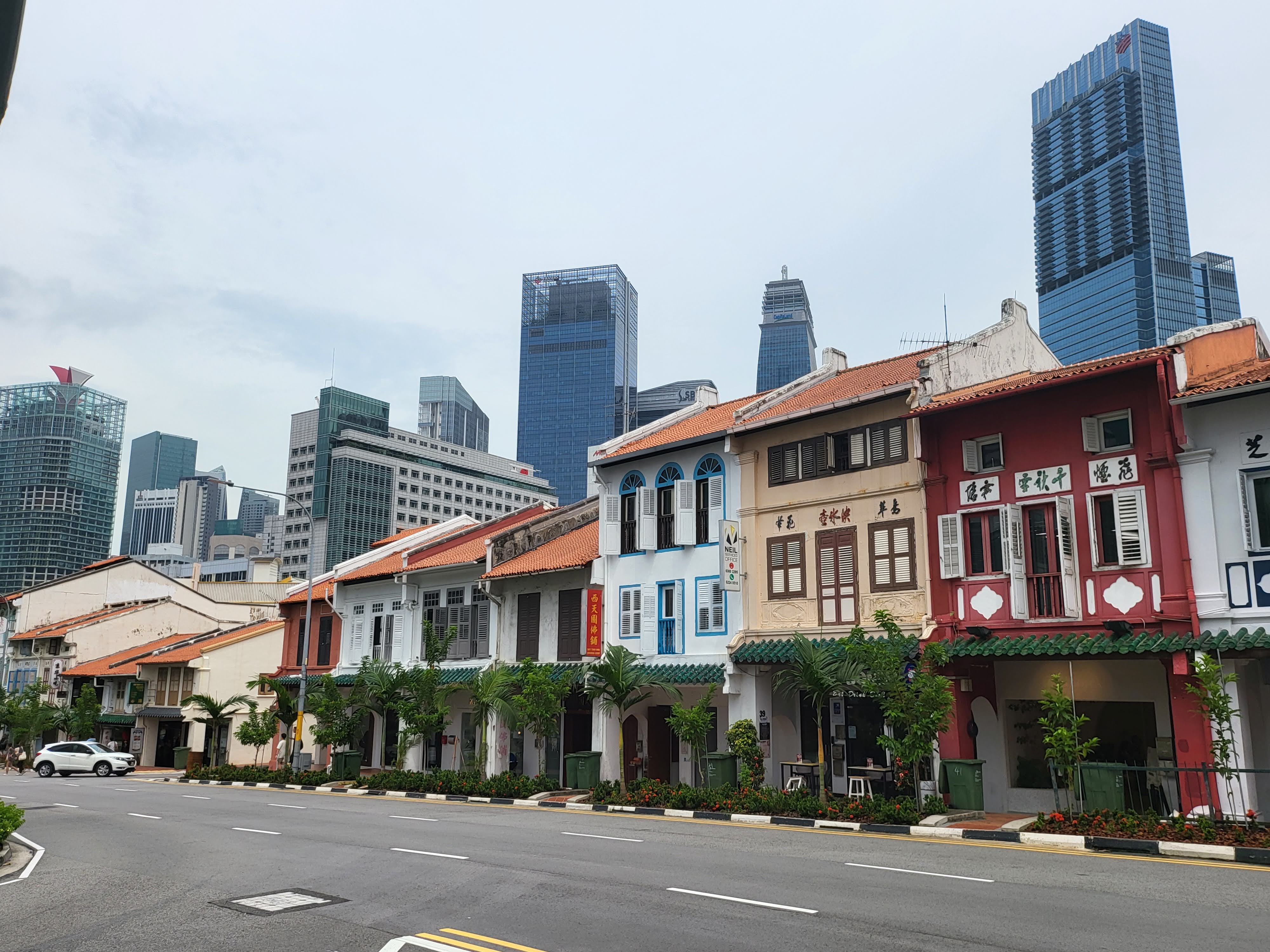
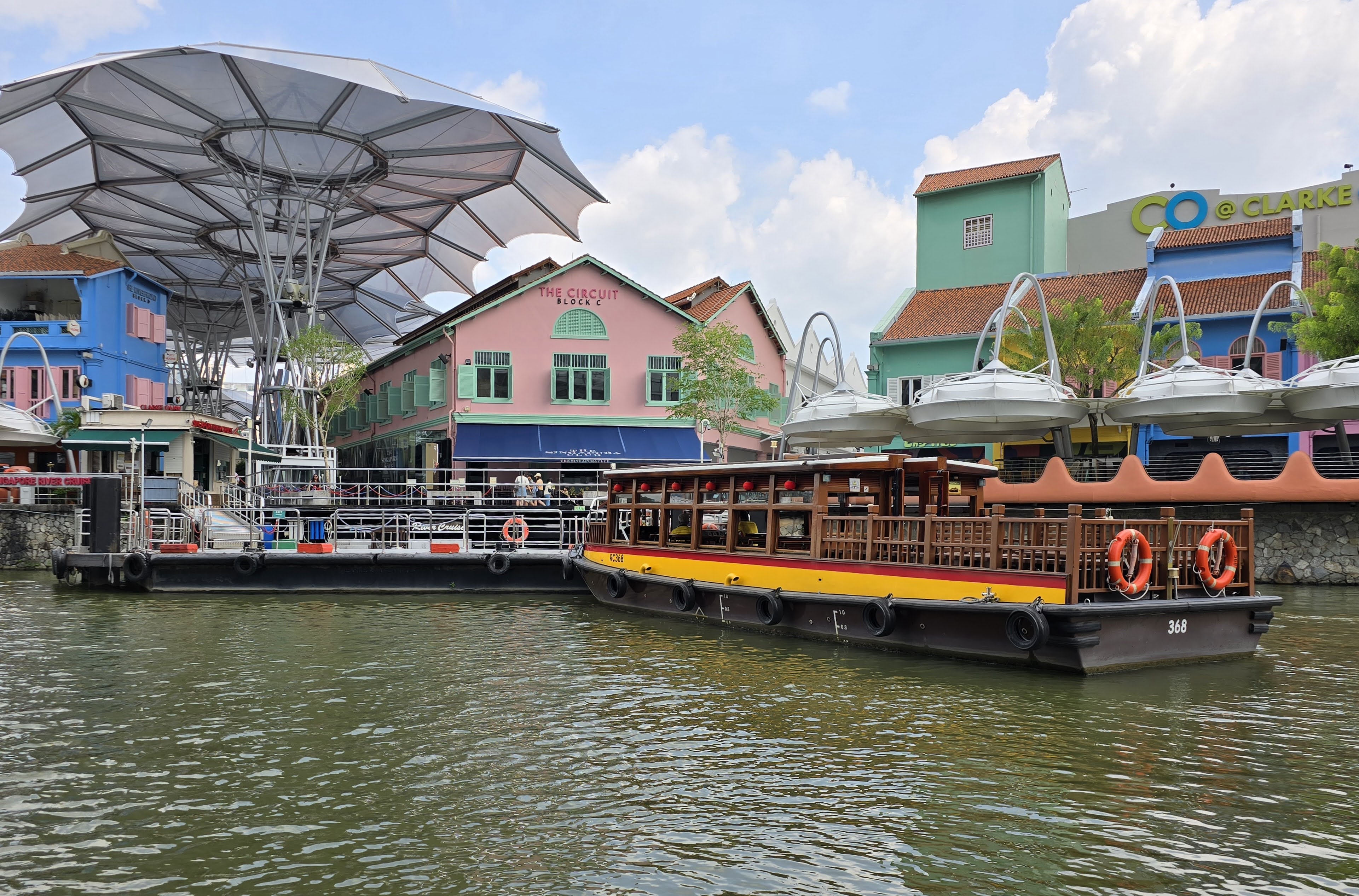
Streets and riverfront
Orange panels and blue trim distinguish the narrow central façade from its pale neighbors.
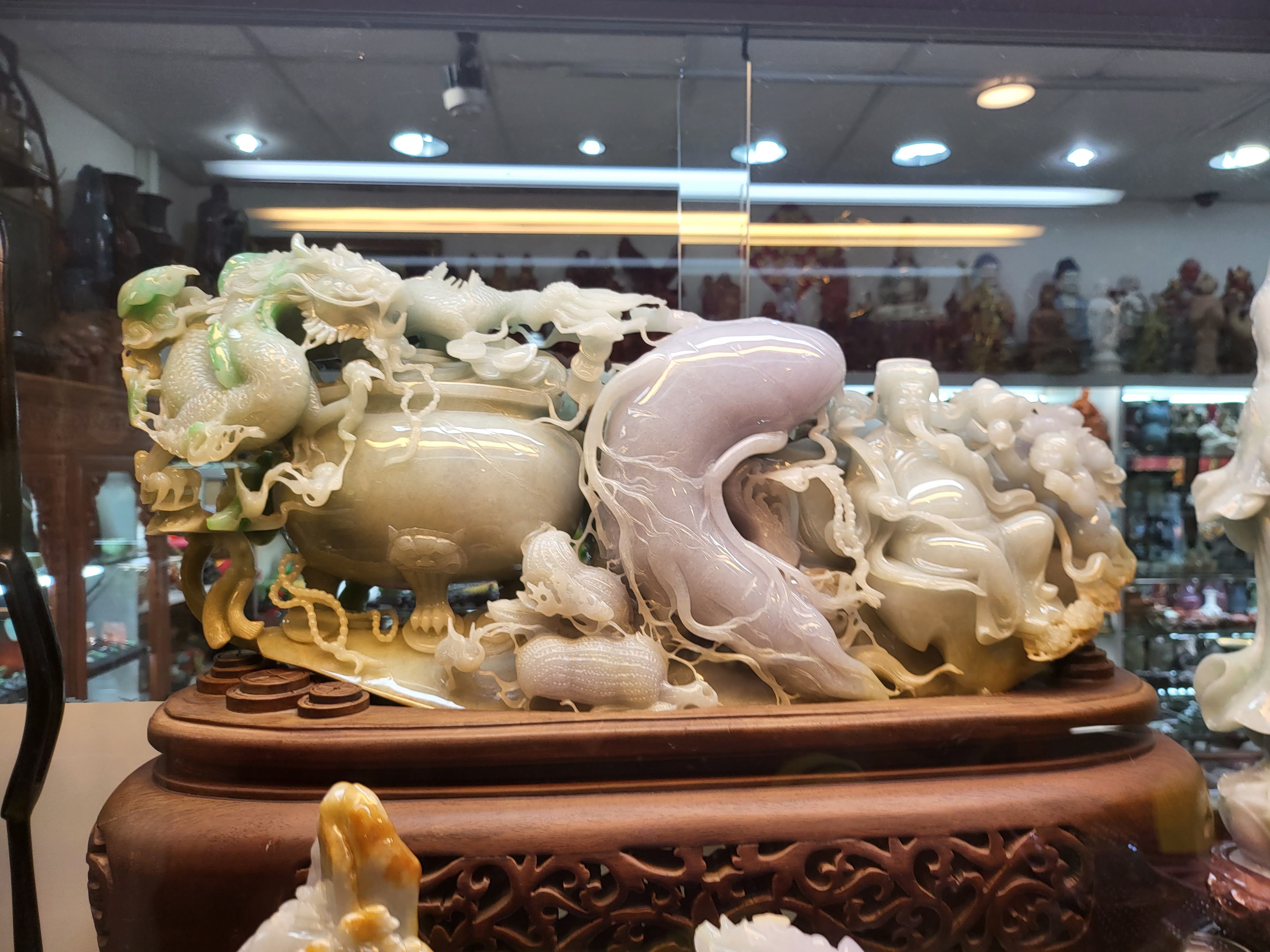


Carvings and ornaments
Interlocking curves and tiny figures crowd the pale ornamental piece on its dark wooden stand.
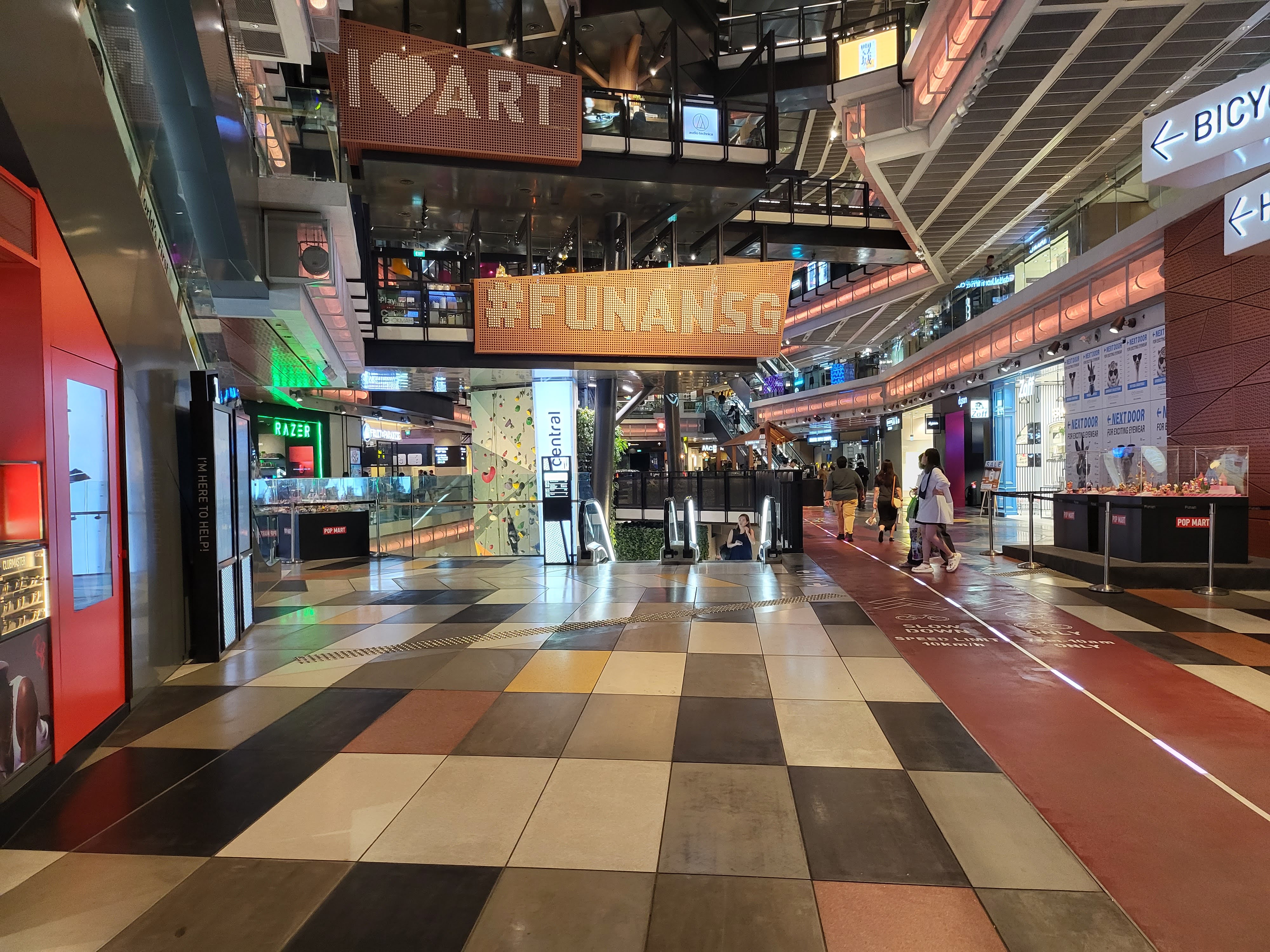


Funan
Funan combines shopping with activities such as indoor climbing and cycling. Colored floor tiles, suspended walkways, and open levels give this mall a very different layout from a conventional shopping corridor.




Food and dining
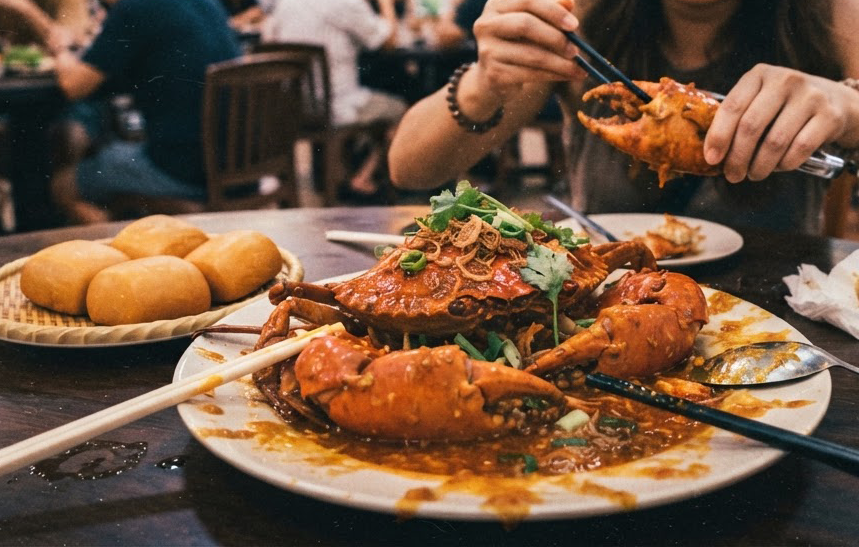
Chilli crab, one of Singapore’s signature dishes: shell-on crab coated in a thick sauce balancing sweetness, savouriness, and chilli heat. The golden buns are fried mantou, used to soak up the gravy.
Cocktails
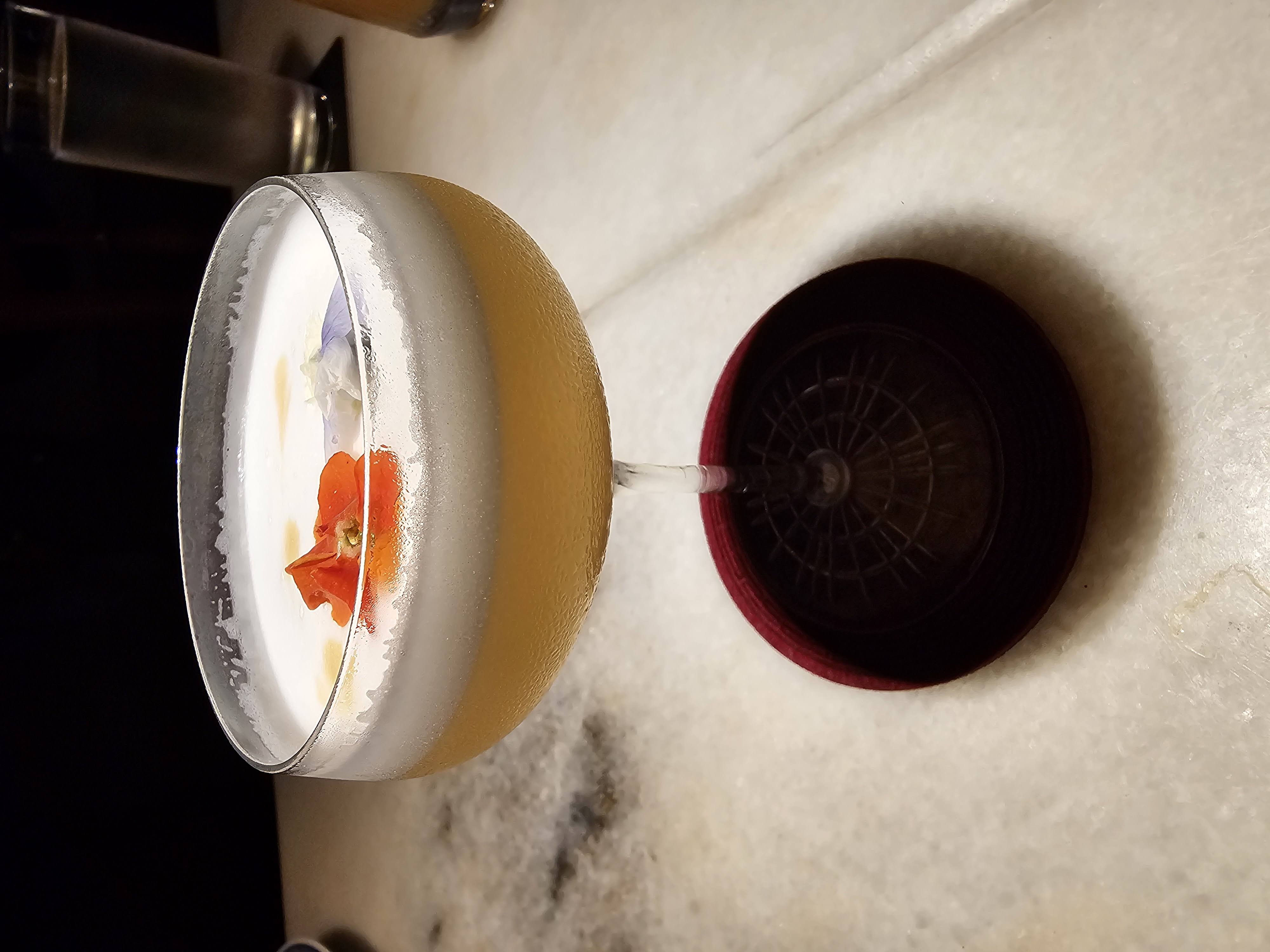
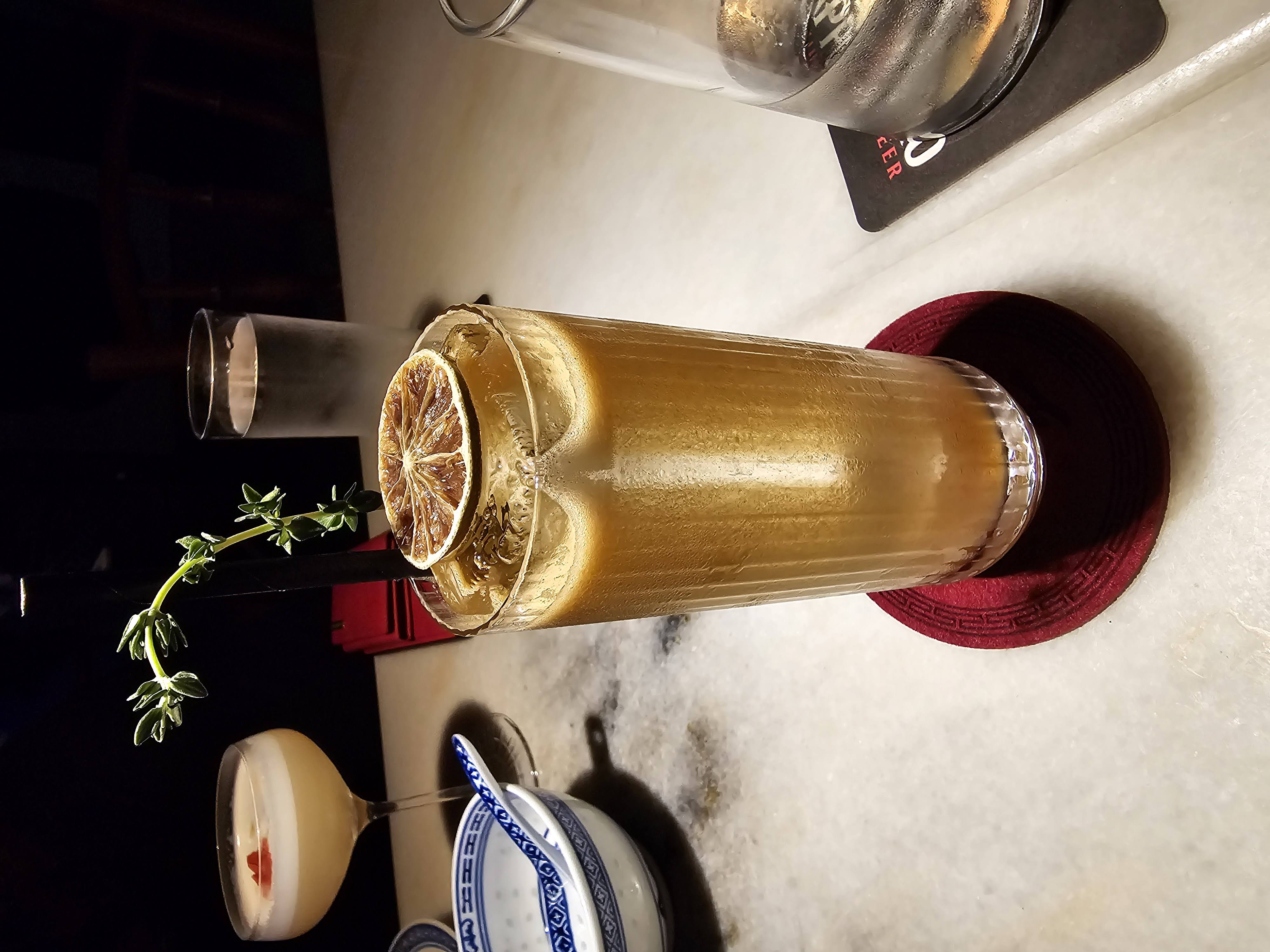
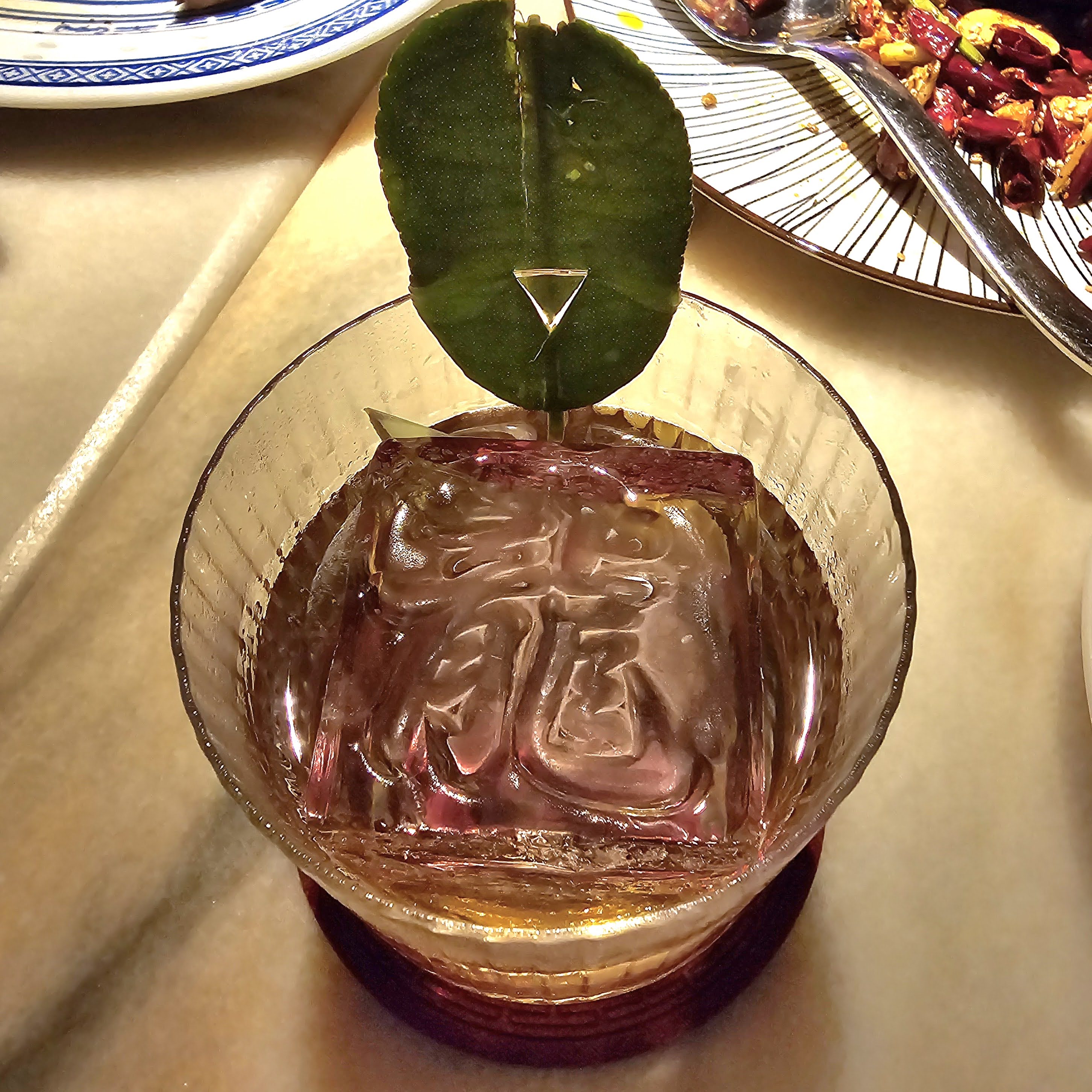
Served up in a coupe, this sour-style cocktail has a fine foam cap finished with orange and pale violet flowers. The absence of ice in the glass leaves the smooth surface and floral garnish undisturbed.
Gardens by the Bay
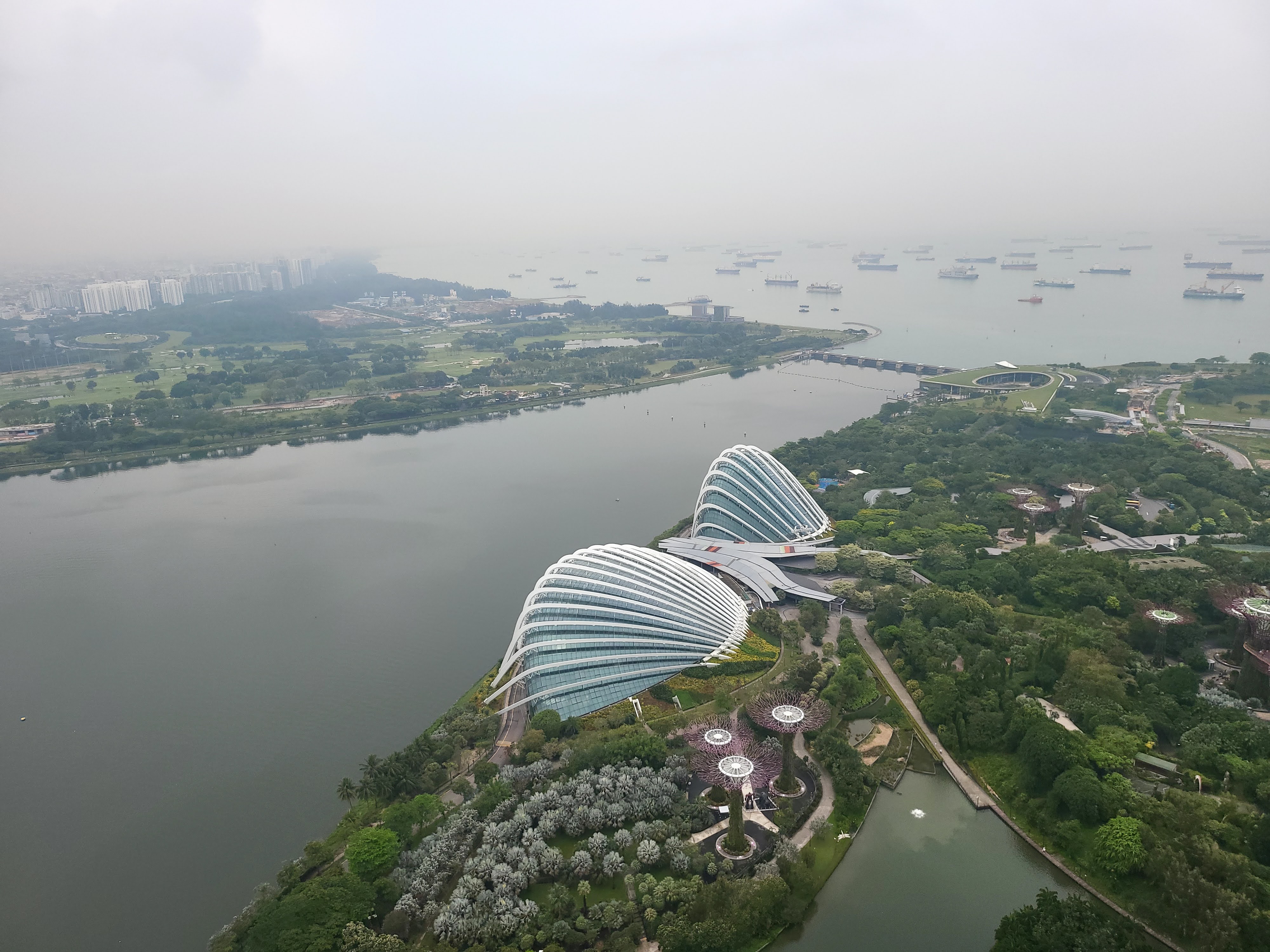
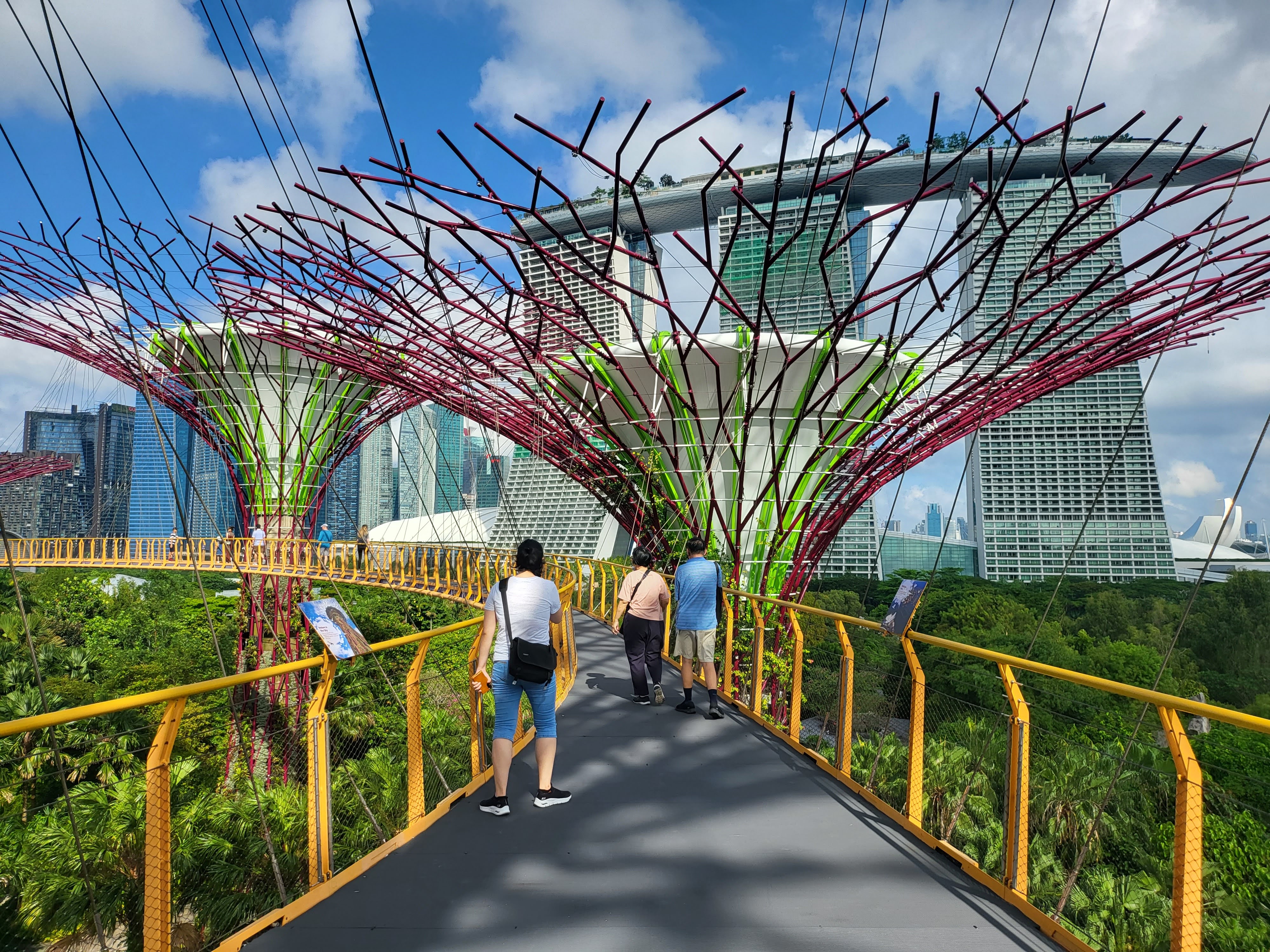
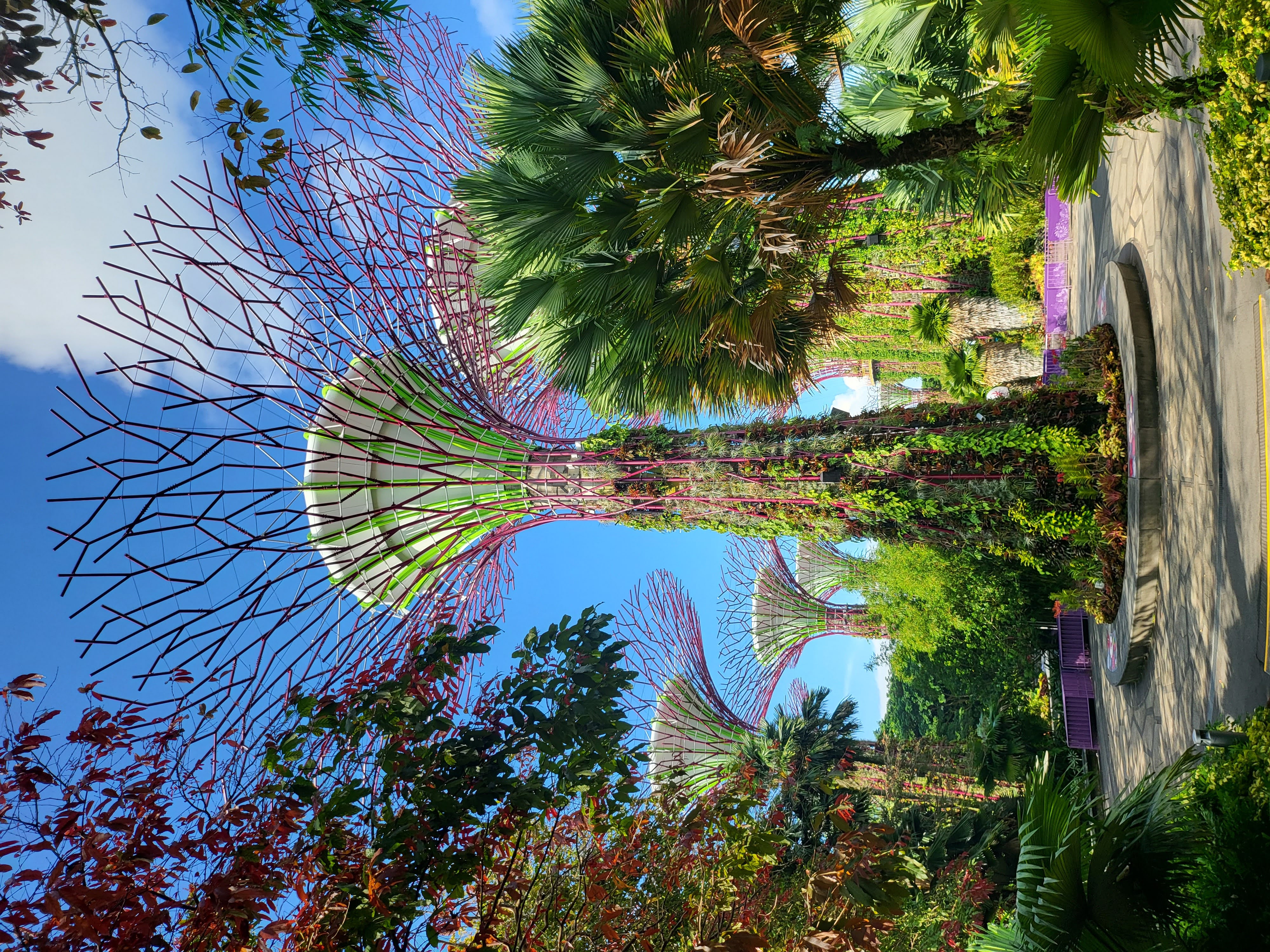
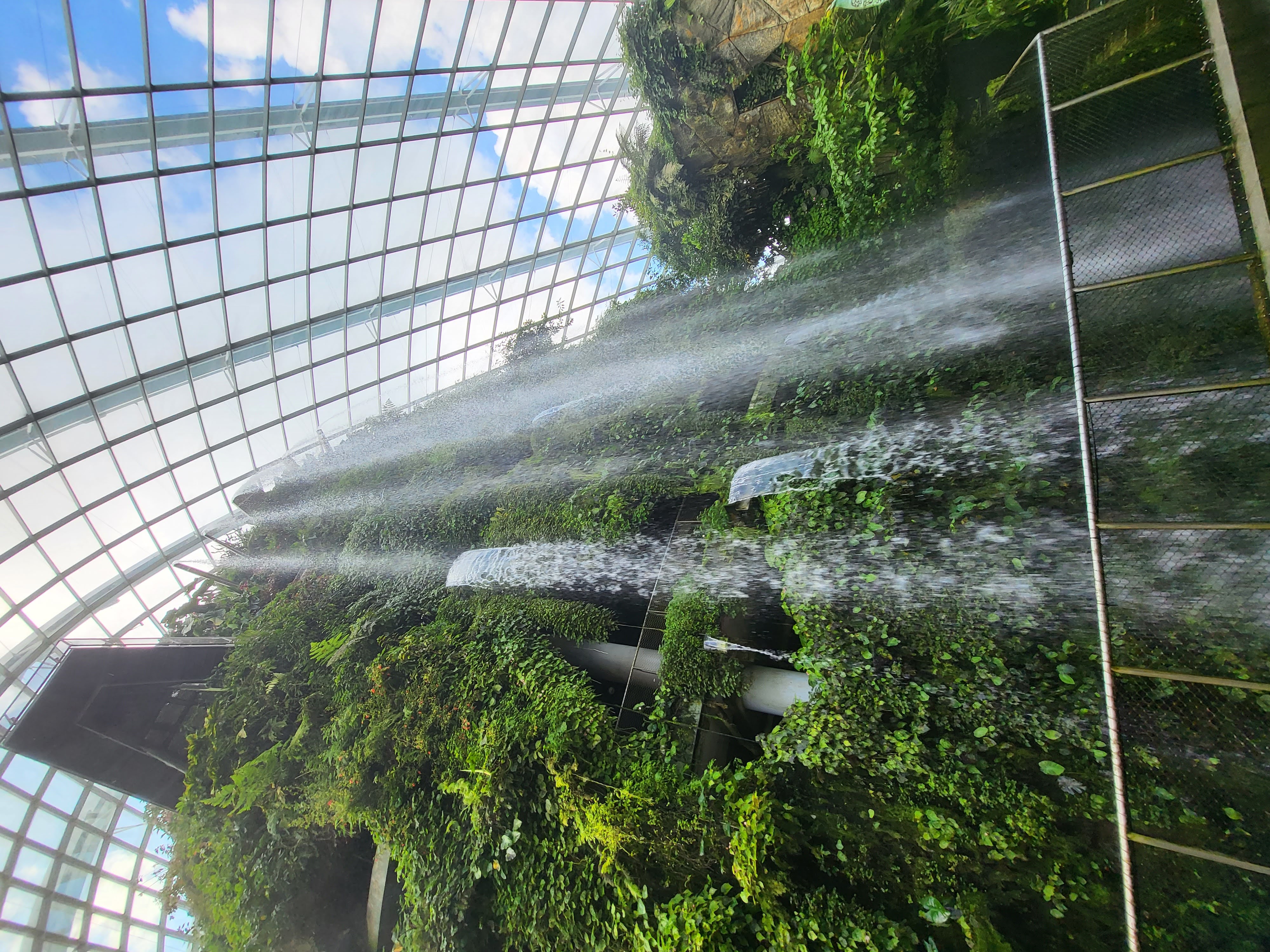
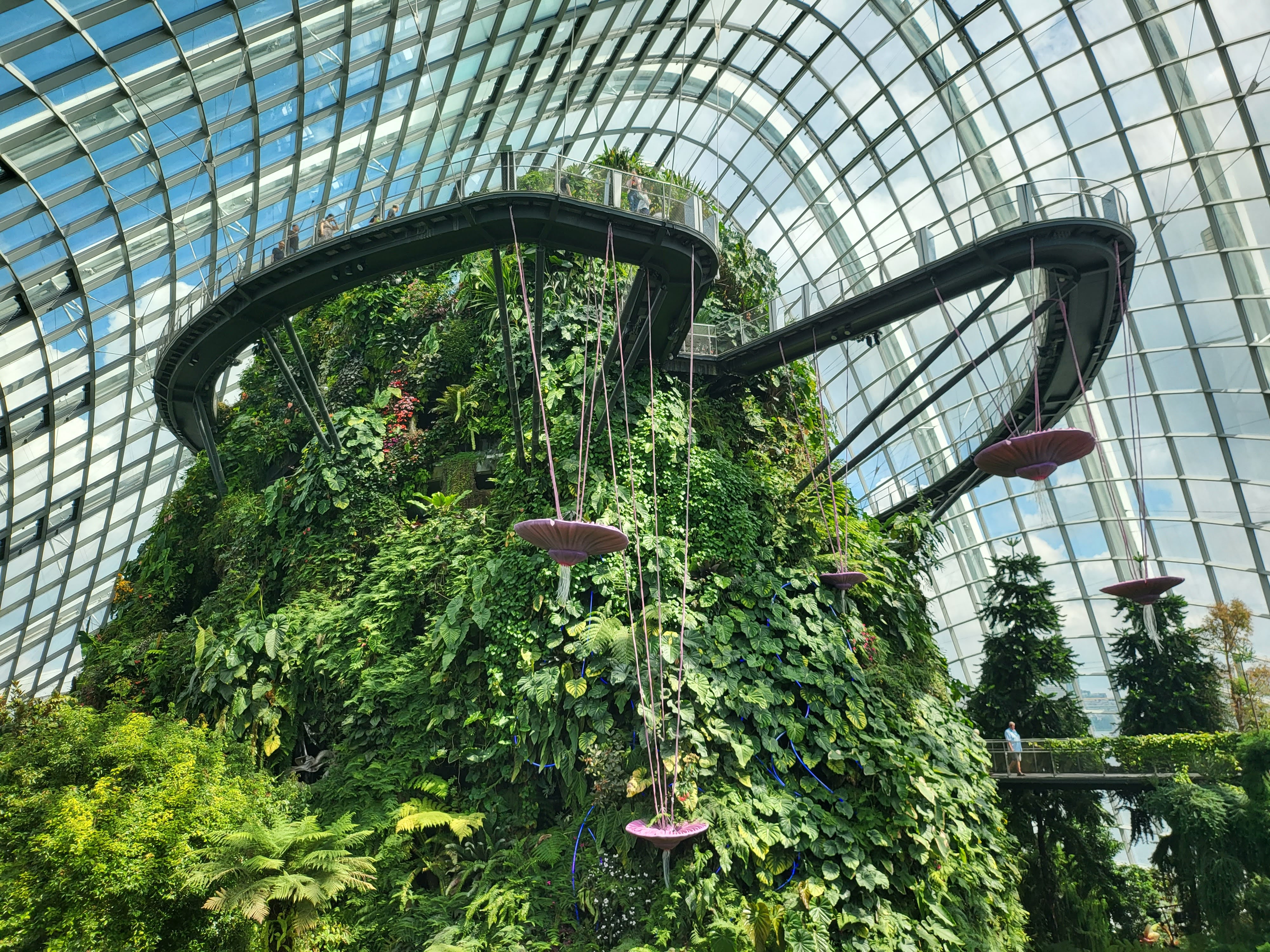
The two waterfront conservatories are Flower Dome and Cloud Forest. One recreates cool, dry growing conditions; the other houses plants associated with cool, moist tropical mountain environments.

Cloud Forest
Cloud Forest’s 35-metre waterfall drops beside a mountain covered in vegetation. The cooled conservatory recreates the moist conditions of tropical highlands beneath its sweeping glass roof.



Flowers and garden details
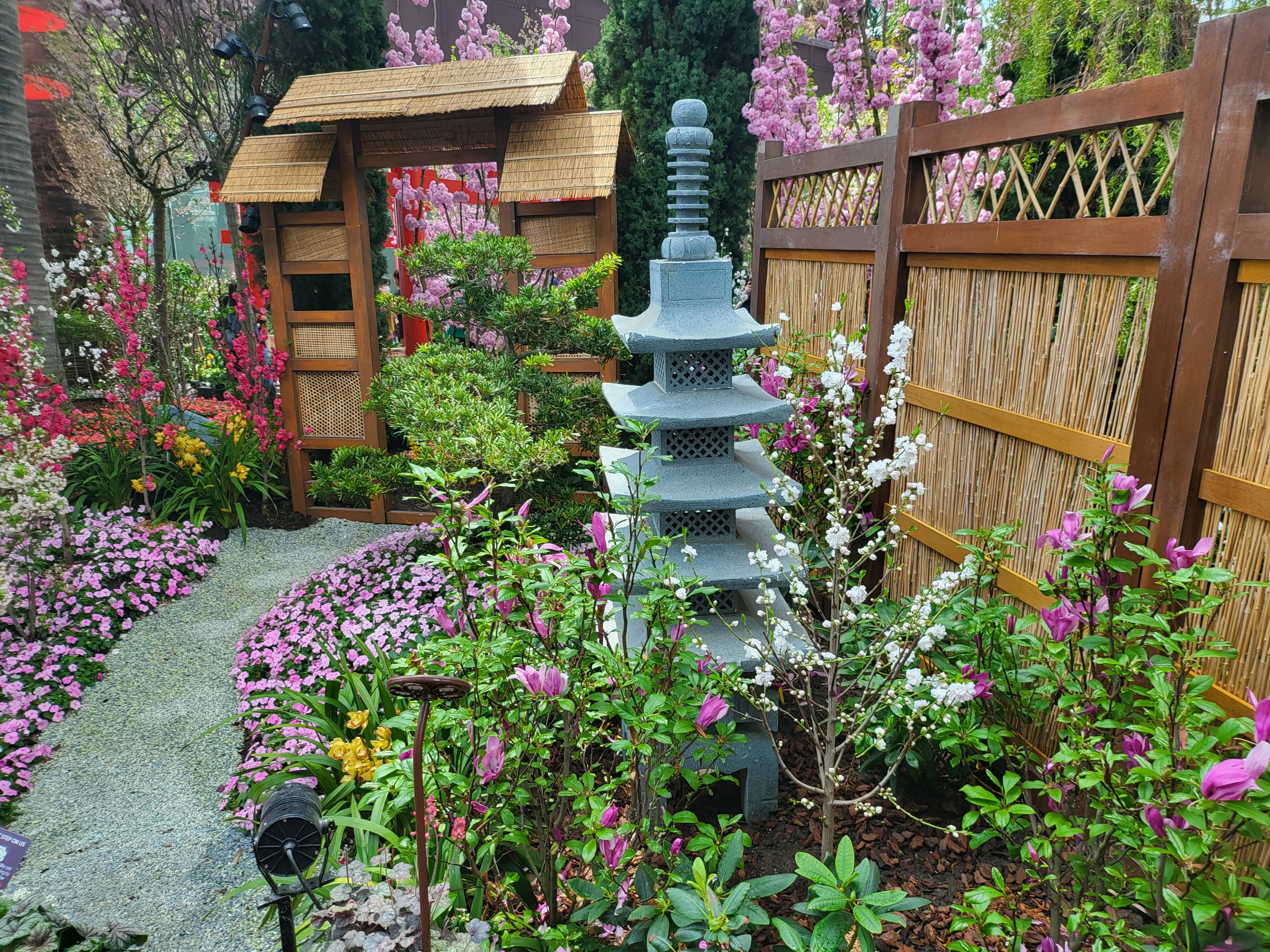
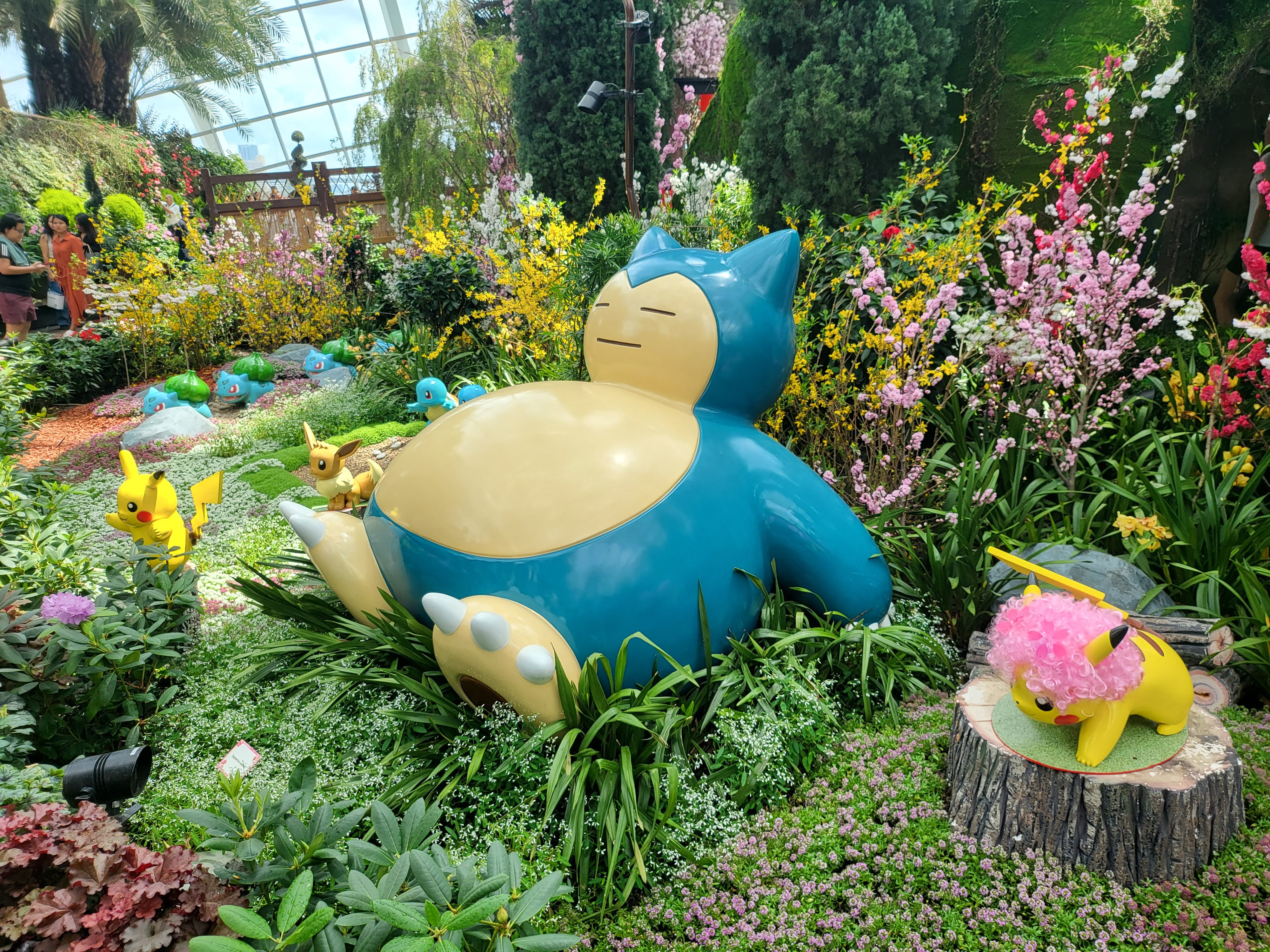
Pink, purple, and white blooms surround a stone pagoda, wooden fence, and narrow path.

Jewel Changi
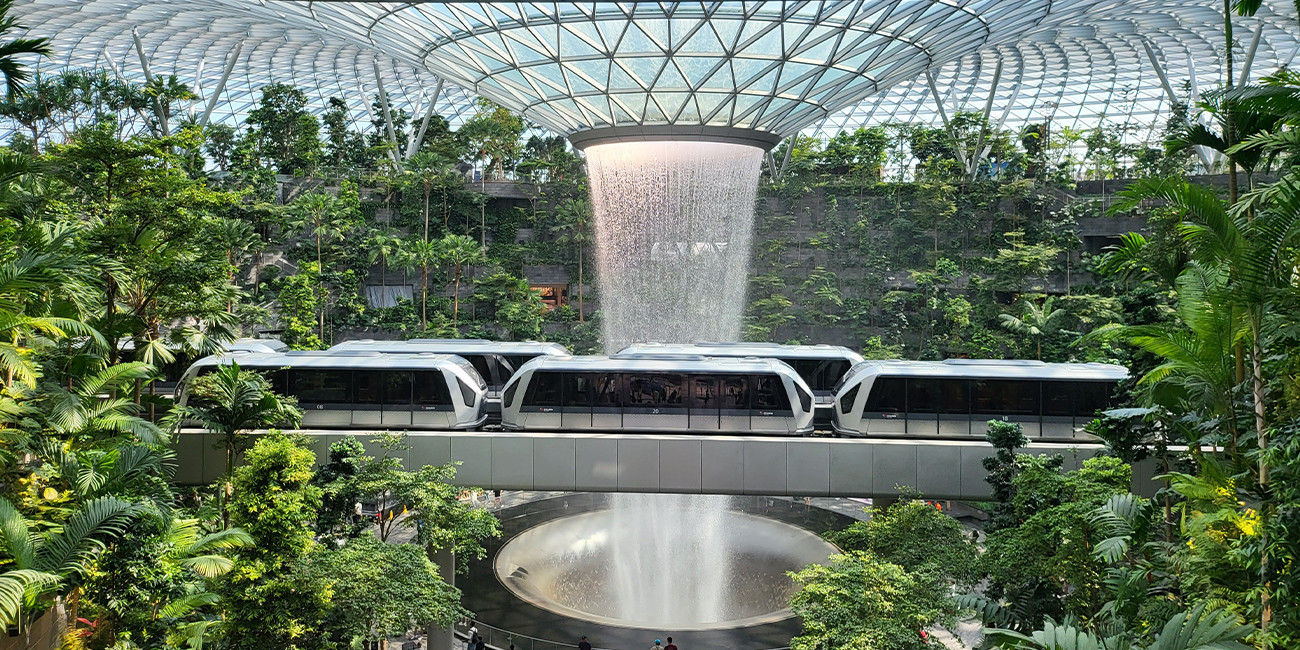
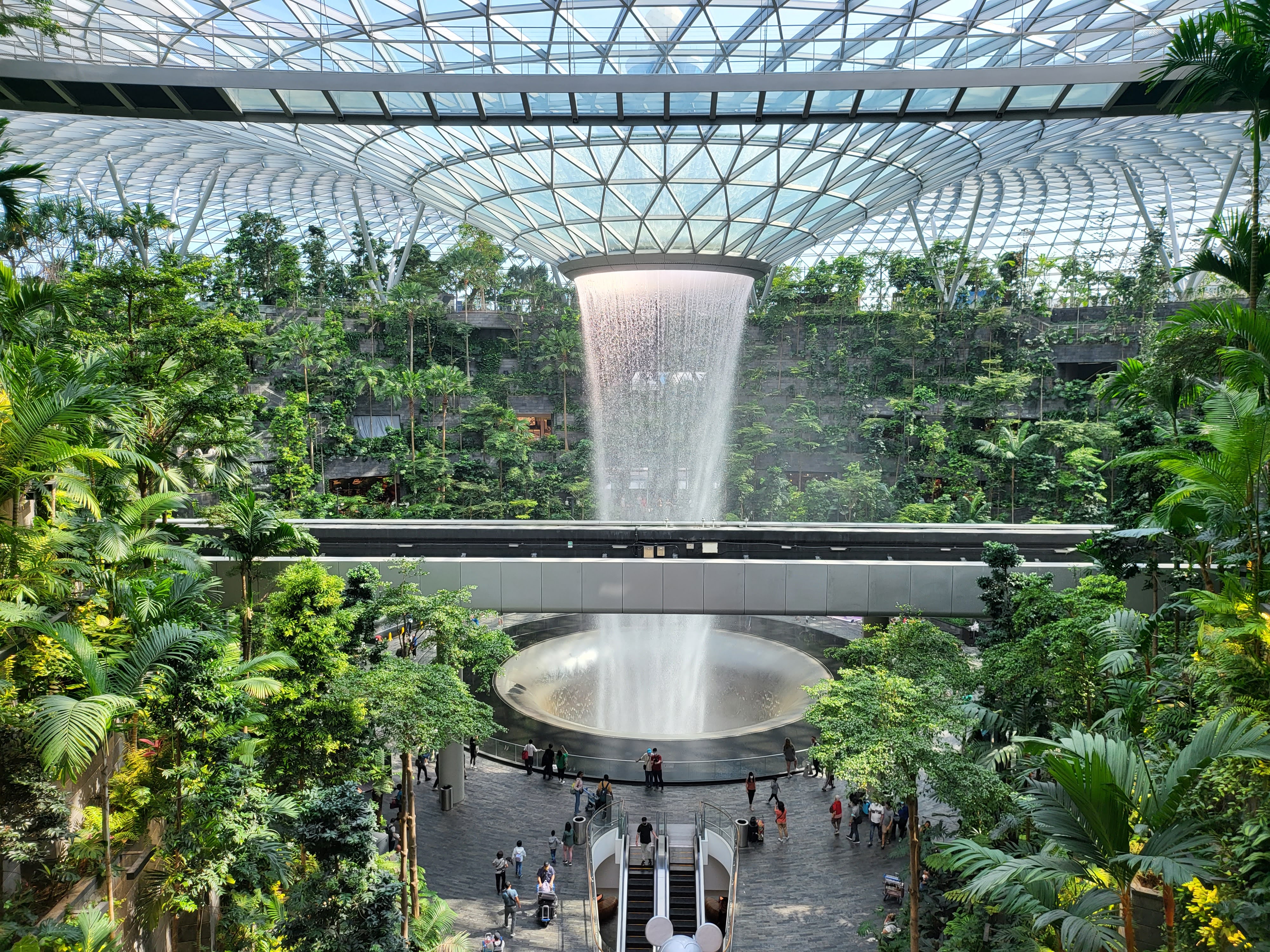
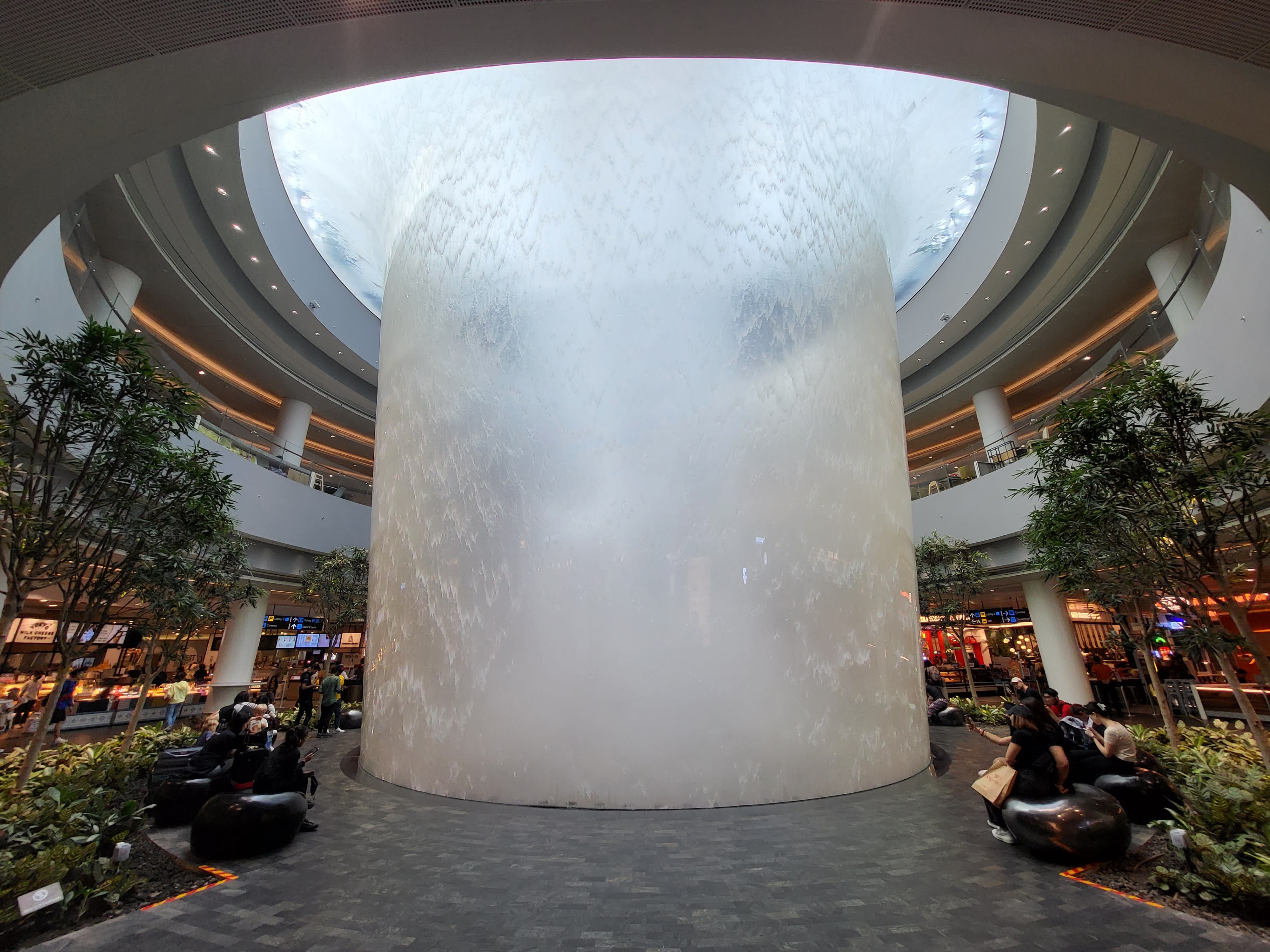
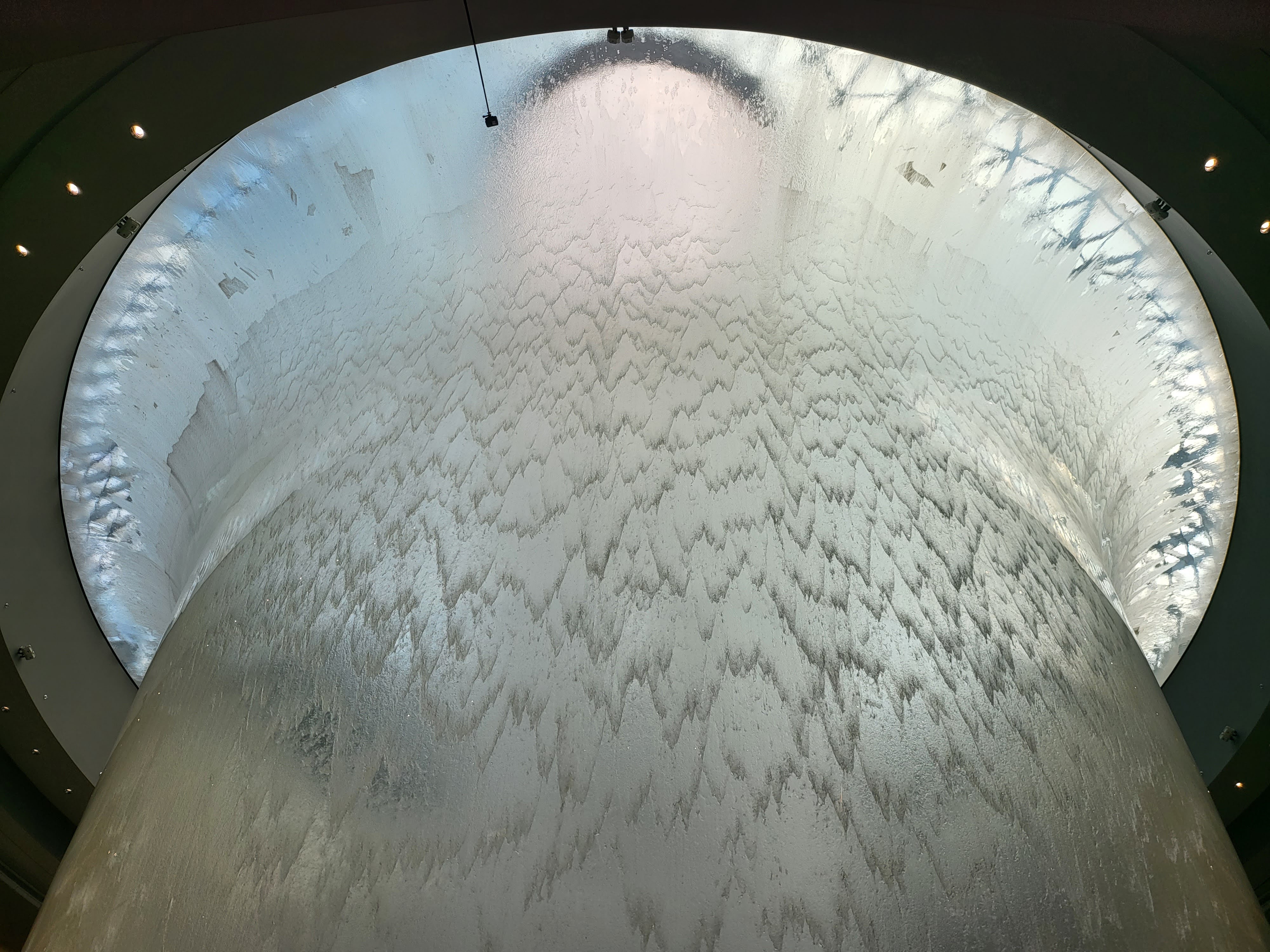
Jewel Changi’s Rain Vortex falls 40 metres from the glass roof toward the basement. The indoor waterfall sits at the heart of Forest Valley, surrounded by planted terraces and pedestrian routes.
Small country, many layers
City and country. Singapore is an independent city-state in Southeast Asia. Its compact geography brings national institutions, neighborhoods, gardens, industry, and a major international transport hub into one urban setting.
A young republic. Singapore became independent on August 9, 1965. That date is celebrated as National Day.
Four official languages. English, Malay, Mandarin Chinese, and Tamil are Singapore’s official languages. The mix offers some context for the different cultural and religious traditions visible across the city.
A City in Nature. Singapore’s Green Plan places nature within its vision for urban life, including gardens, nature parks, and connections between green spaces. The spectacular planted interiors in these photographs sit within a much broader conversation about greenery in a dense city.
Country notes: Ministry of Foreign Affairs, Singapore’s national report, and the Singapore Green Plan.

Animator, designer, and illustrator
Sharing is caring
If you found value in this blog post, please take a moment to share it.